Search our website
Key in a search term below to search our website.
Key in a search term below to search our website.
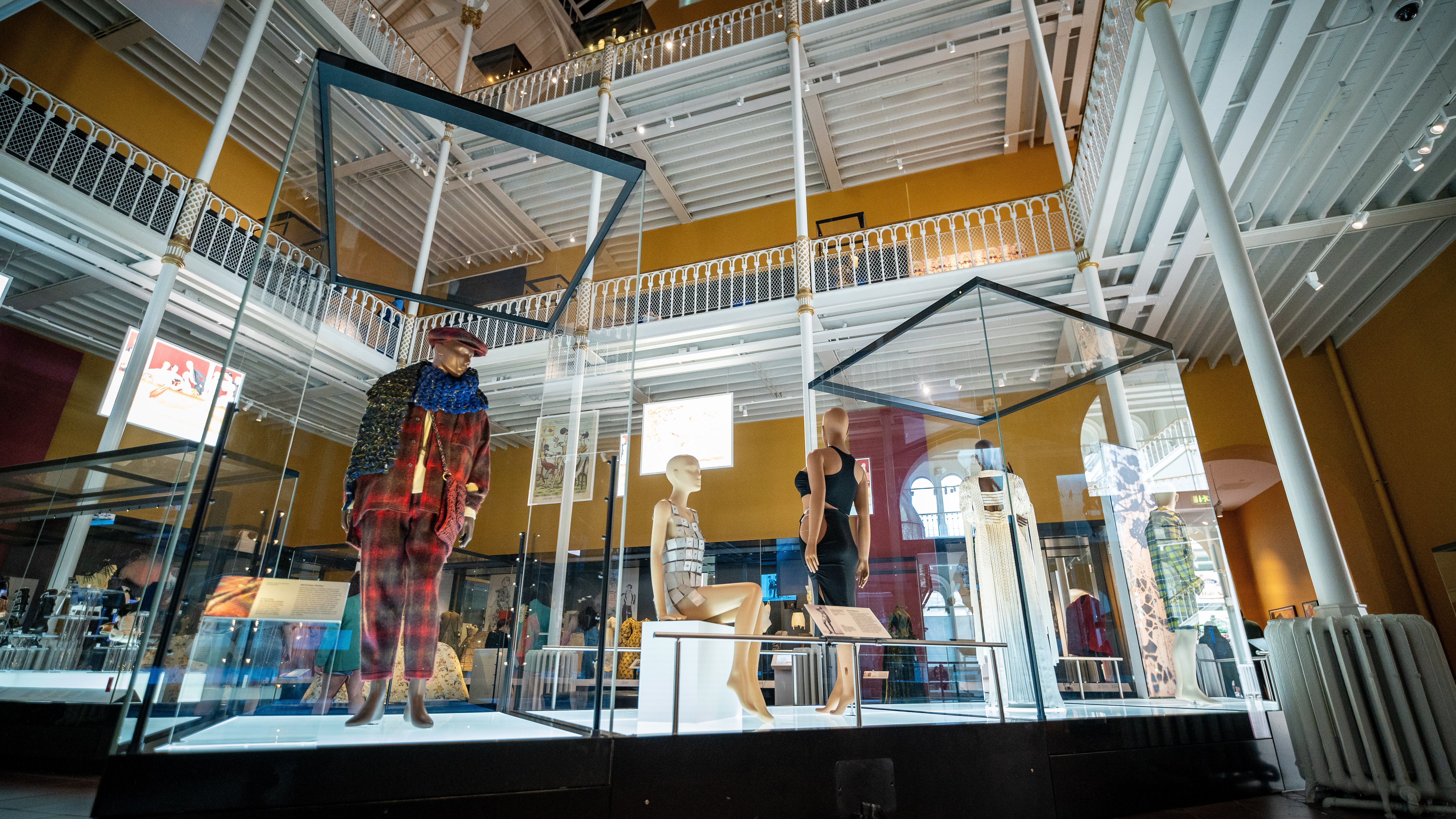
These sumptuous galleries showcase the best of decorative art, design, fashion and style.
Discover a treasure trove of creativity, explore the influence of design on everyday life and see how contemporary makers continue to innovate.
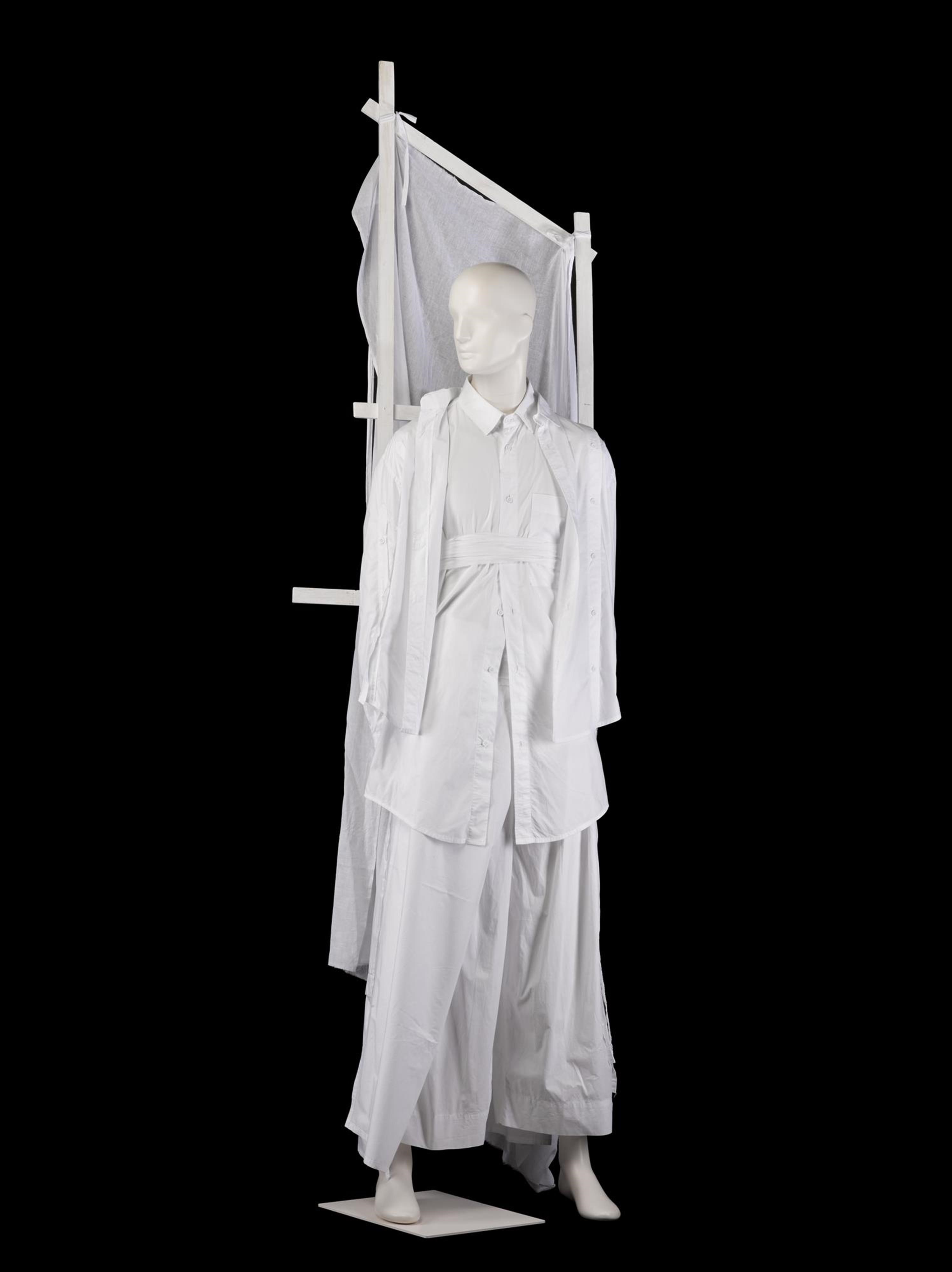
Explore centuries of creativity and innovation in textiles and fashion in the Fashion and Style gallery on Level 1.
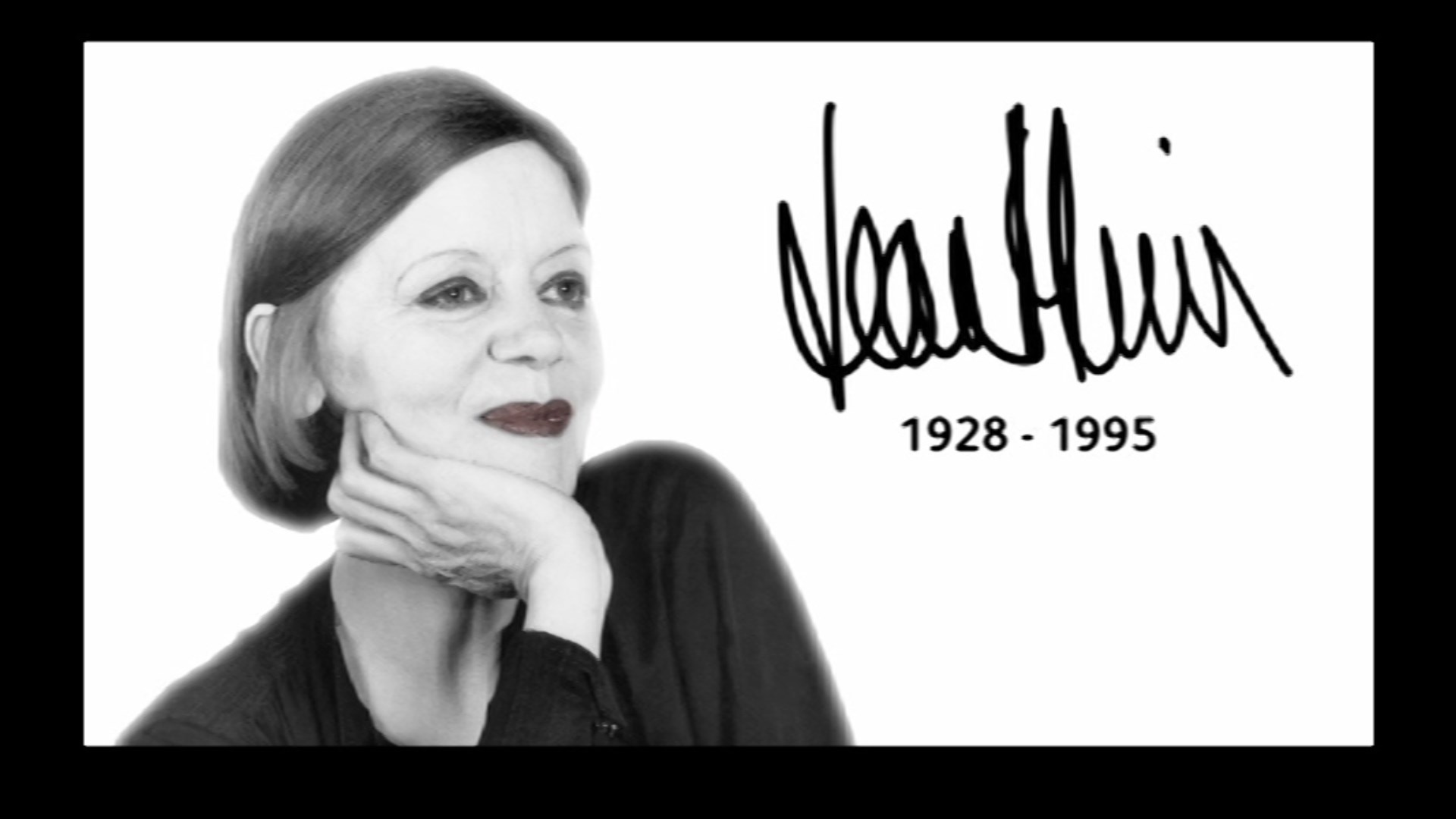
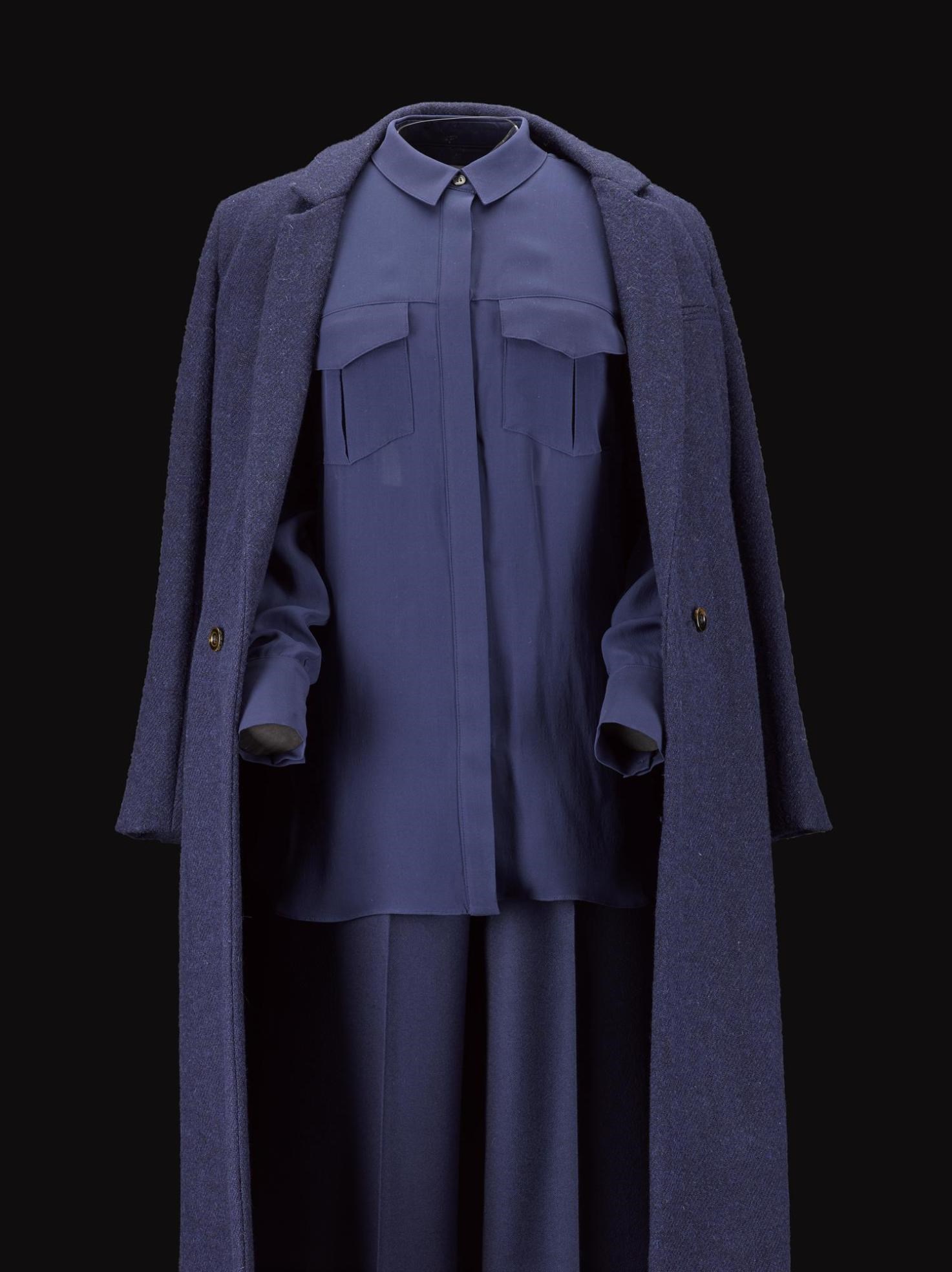
Walk your own catwalk and spot gems by Vivienne Westwood, Zandra Rhodes, Jean Muir and Pringle of Scotland and try your hand at fashion design in our digital game.
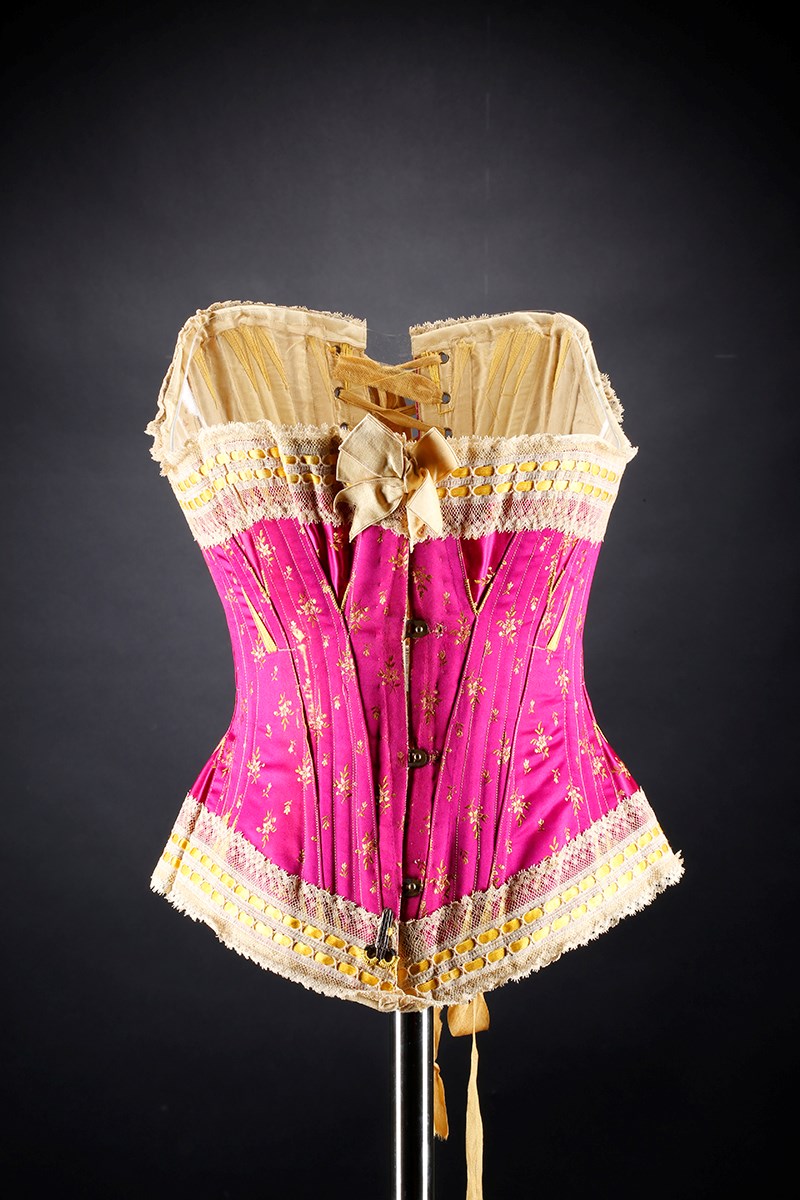
Above: Pink silk corset by Sykes, Josephine and co., London, c.1890–1900.
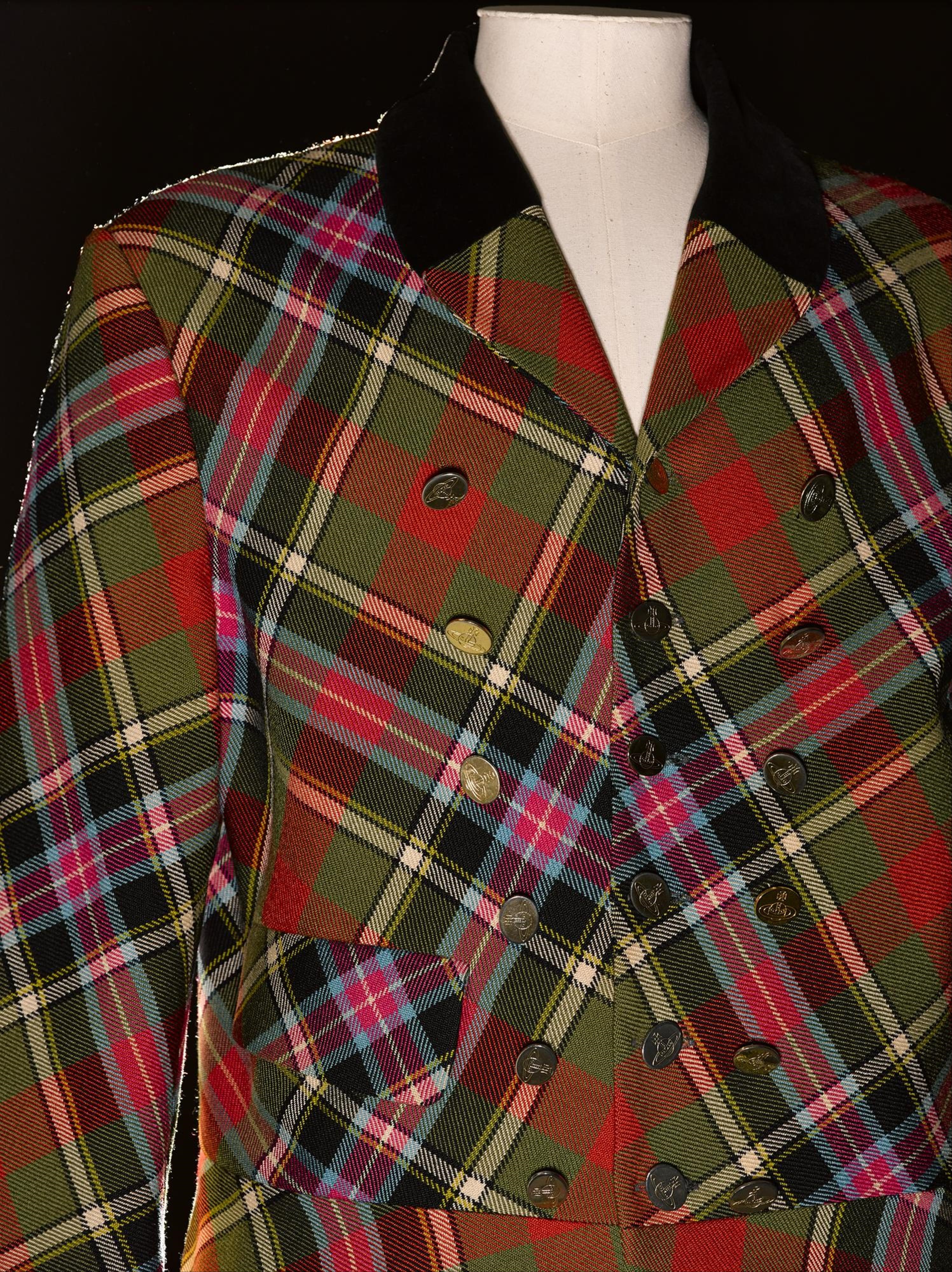
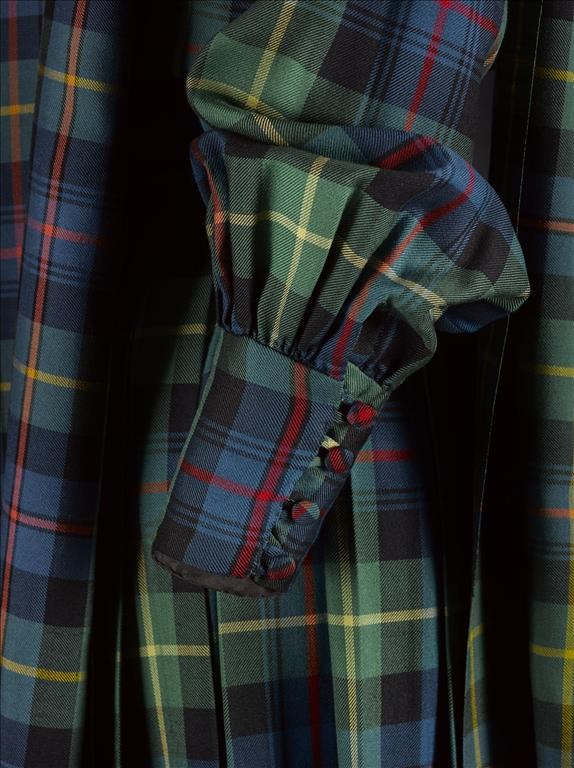
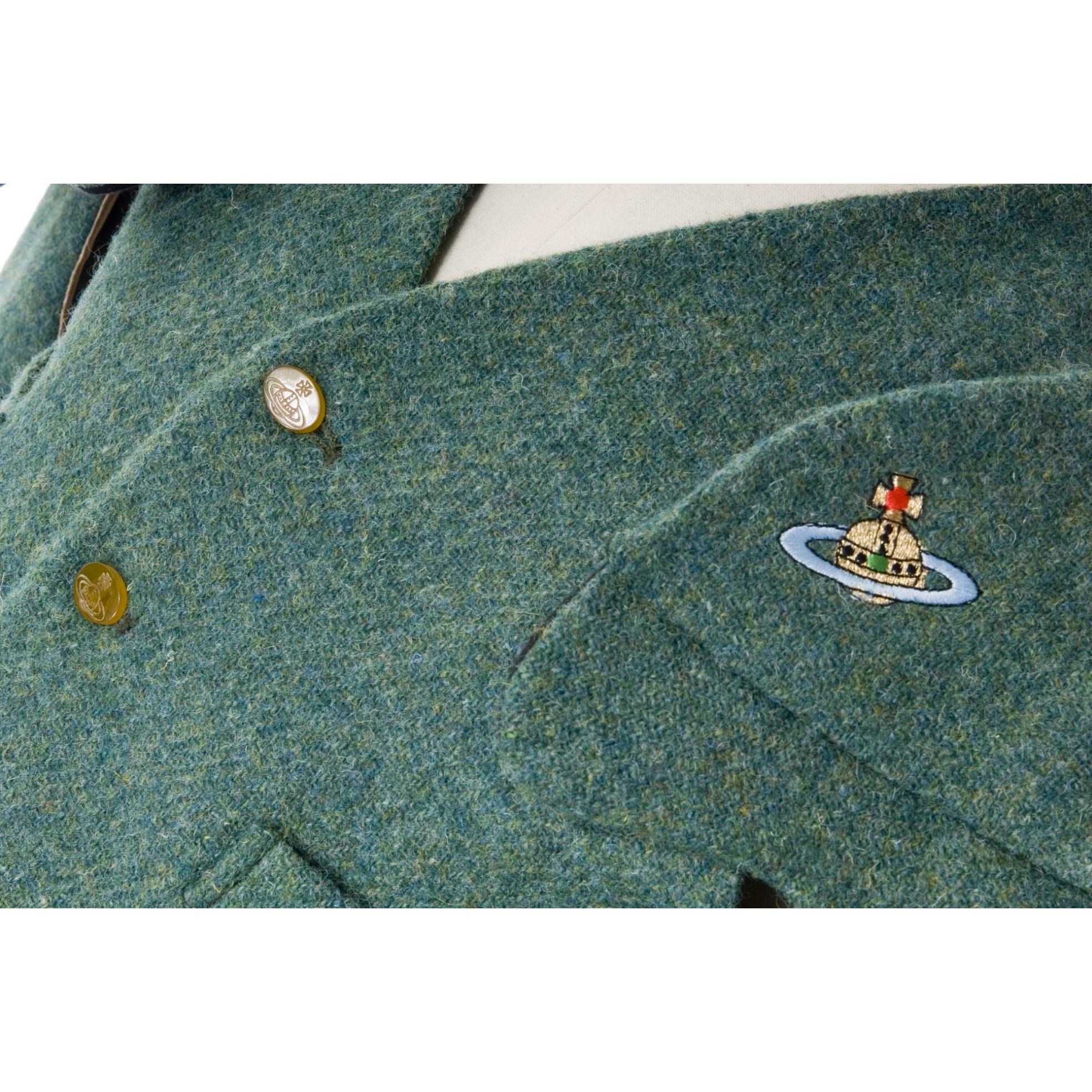
Above: Man's suit made from Bruce of Kinnaird tartan, part of the Anglomania collection designed by Vivienne Westwood, London, autumn/winter 1993/1994.
Mode, the Fashion and Style gallery's dedicated digital platform, is currently undergoing maintenance. In the meantime, you can browse our online Fashion and Style collections.
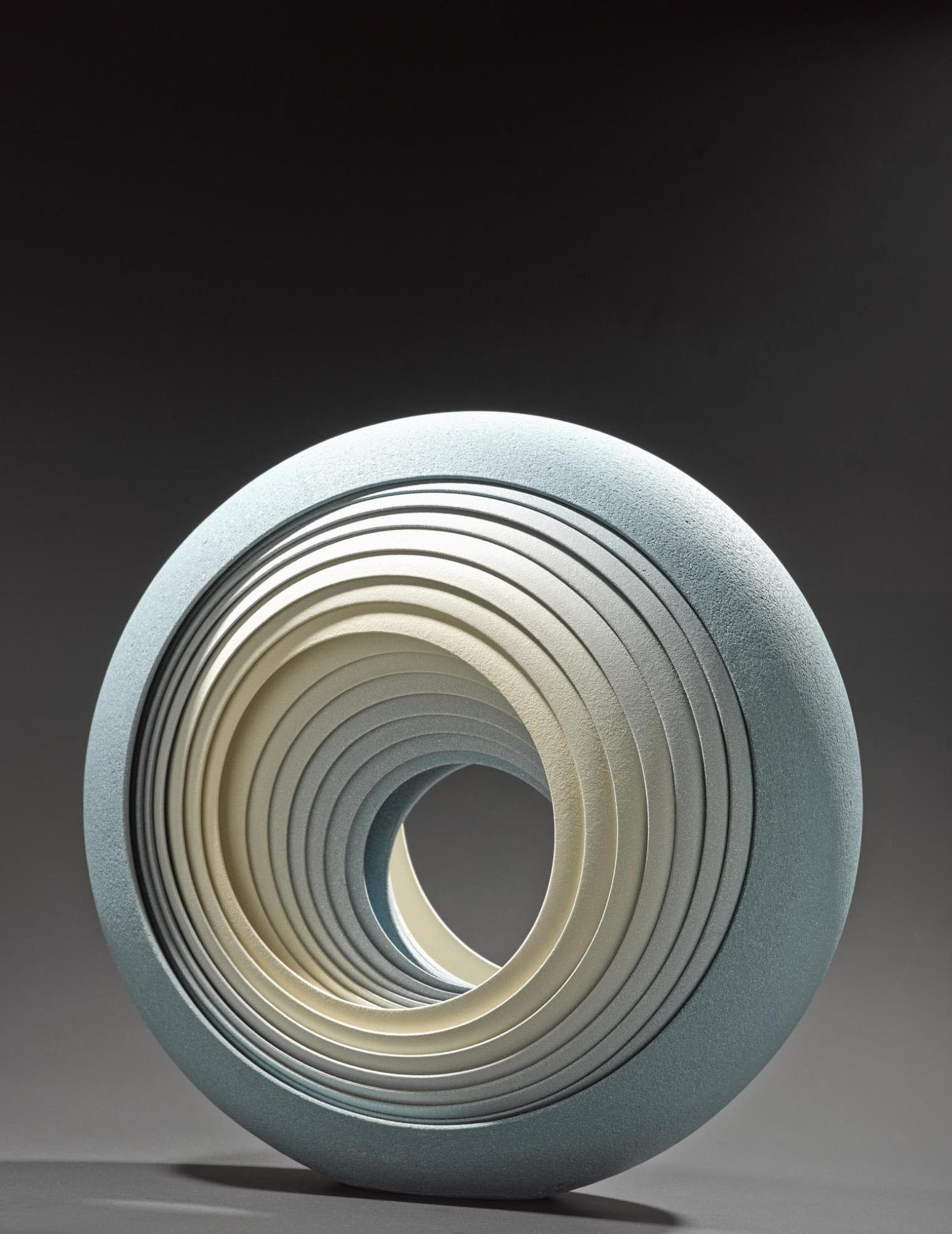
Art lovers will find much to delight in our Making and Creating gallery on Level 3, which explores the techniques and inspirations behind the work of artists, makers and designers.
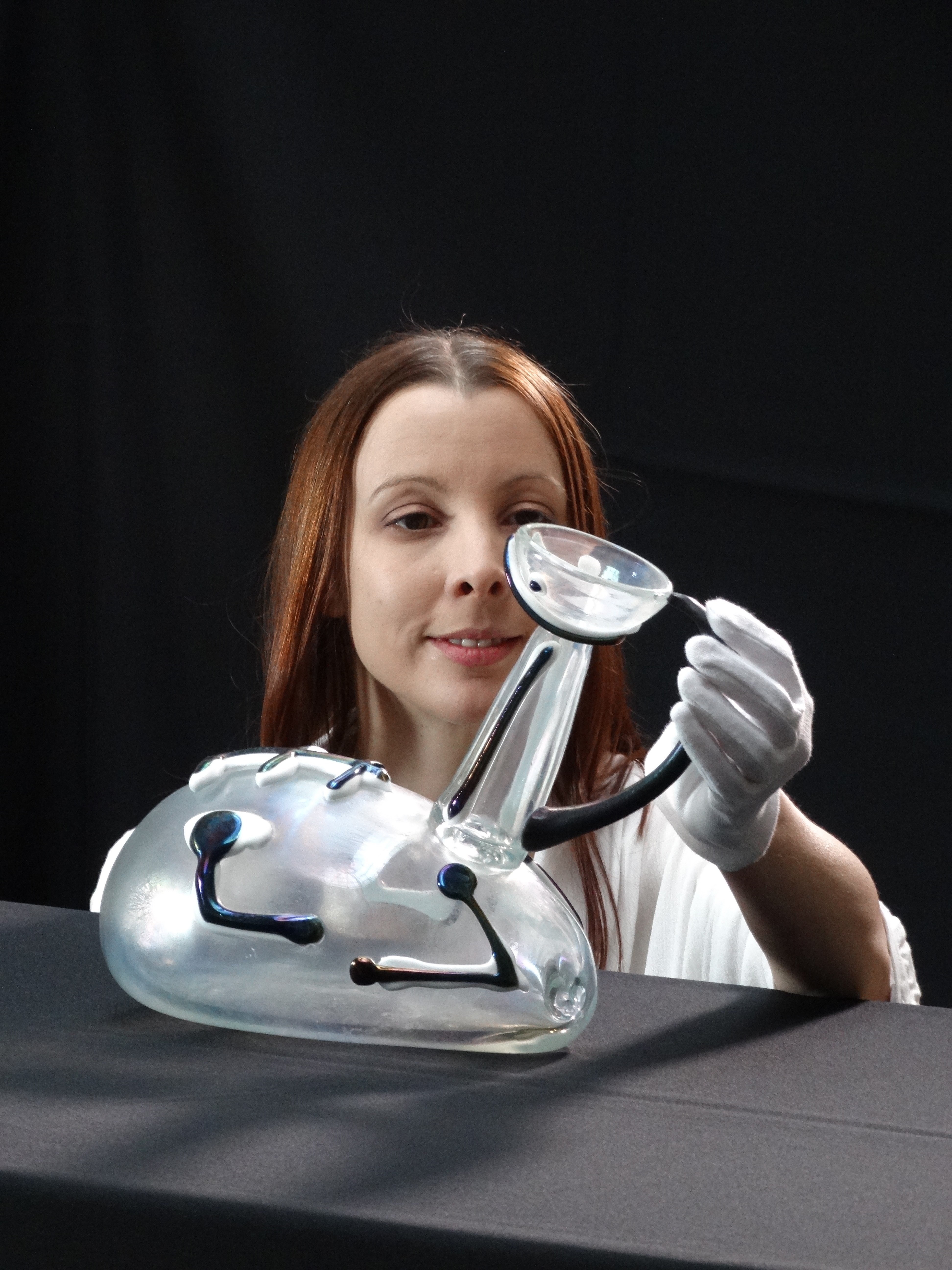
Don't miss this rare artist’s proof by Picasso, designed in 1954. Worked in iridescent, black and white glass, Capra represents a small goat resting on the grass.

Above: Picasso's Capra in the Making and Creating gallery.
Art doesn’t just belong in galleries though, so wander up to Design for Living on Level 5 to discover ideas that shaped a century of design, from the Great Exhibition to the Festival of Britain.
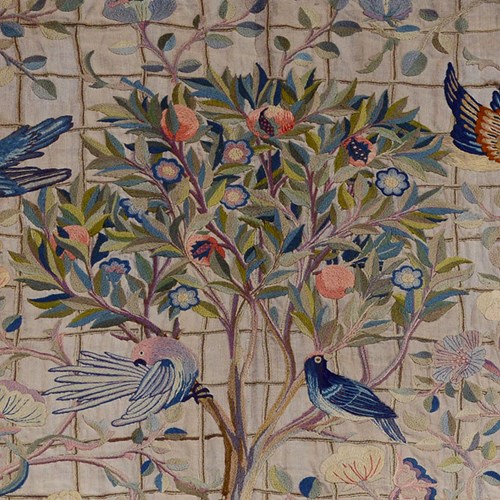
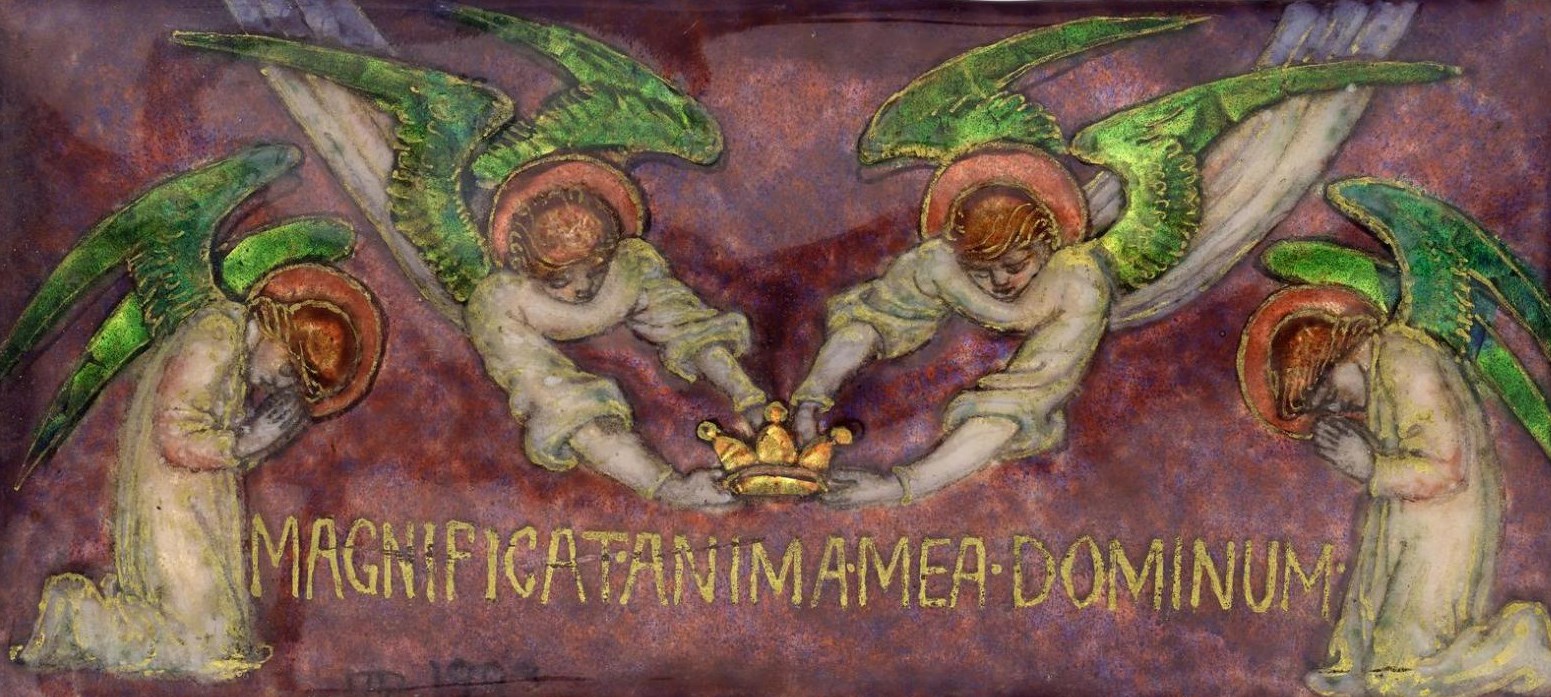
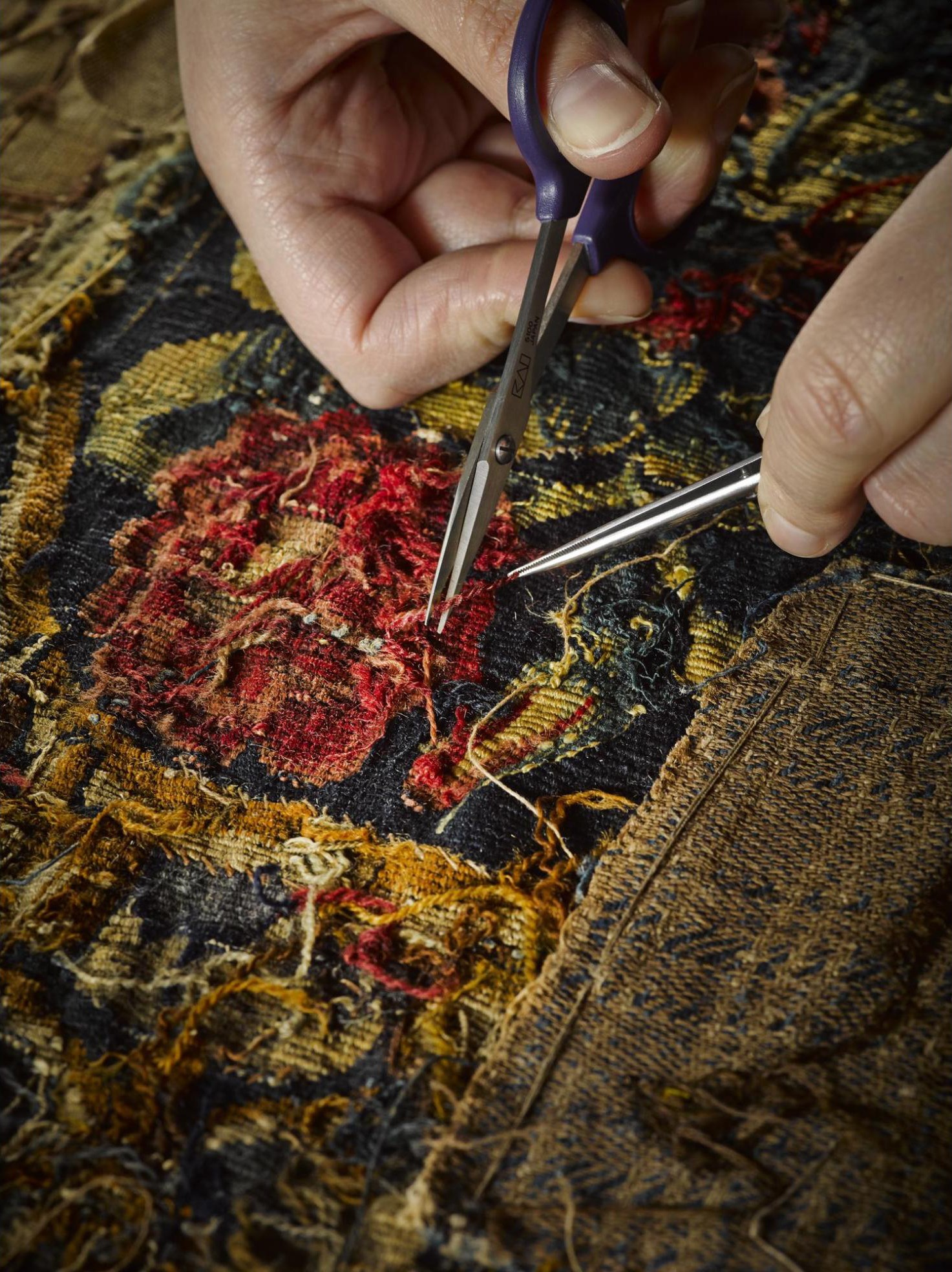
Here you can get acquainted with May Morris’ intricate embroideries. Created to hang in Orkney’s Melsetter House, these wall hangings are a beautiful example of the Arts and Crafts movement.
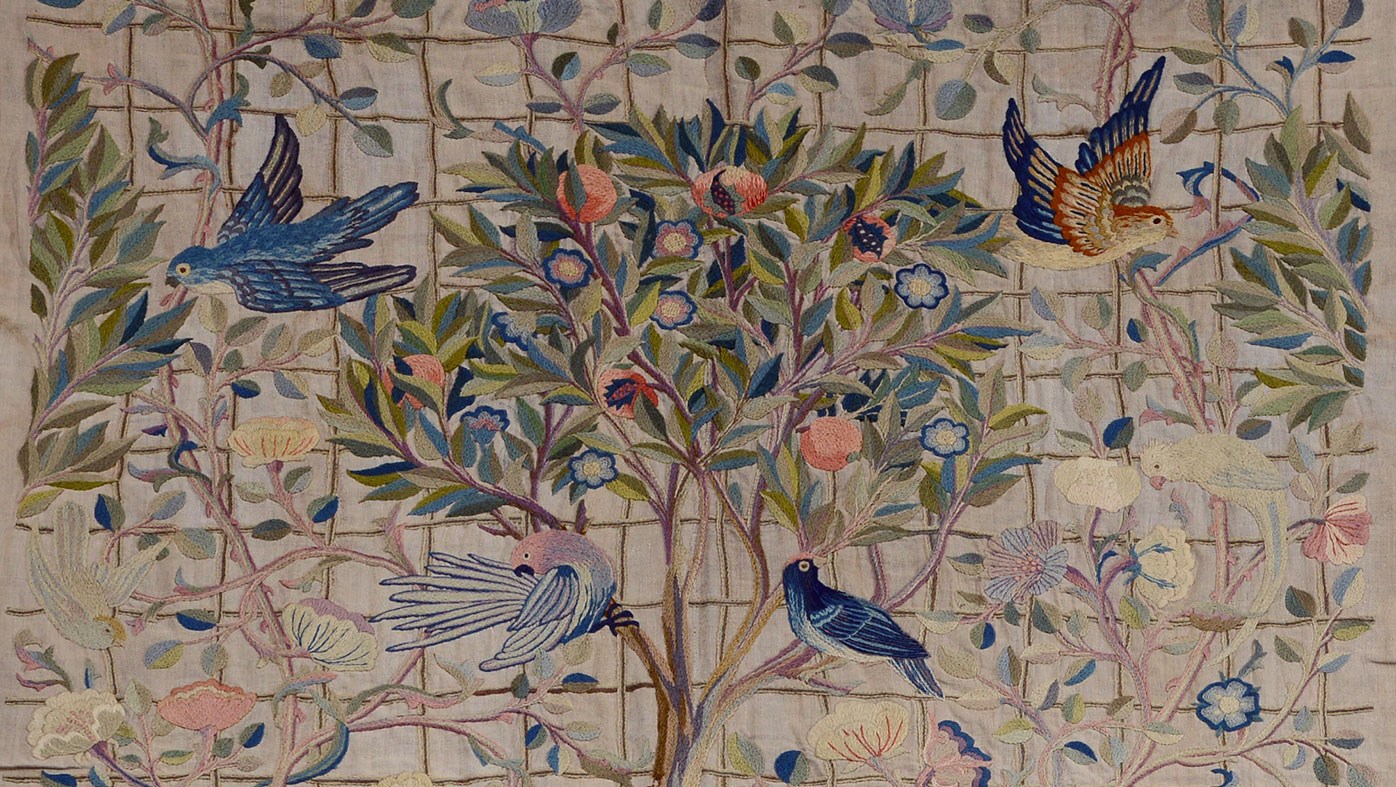
Above: May Morris' embroideries.
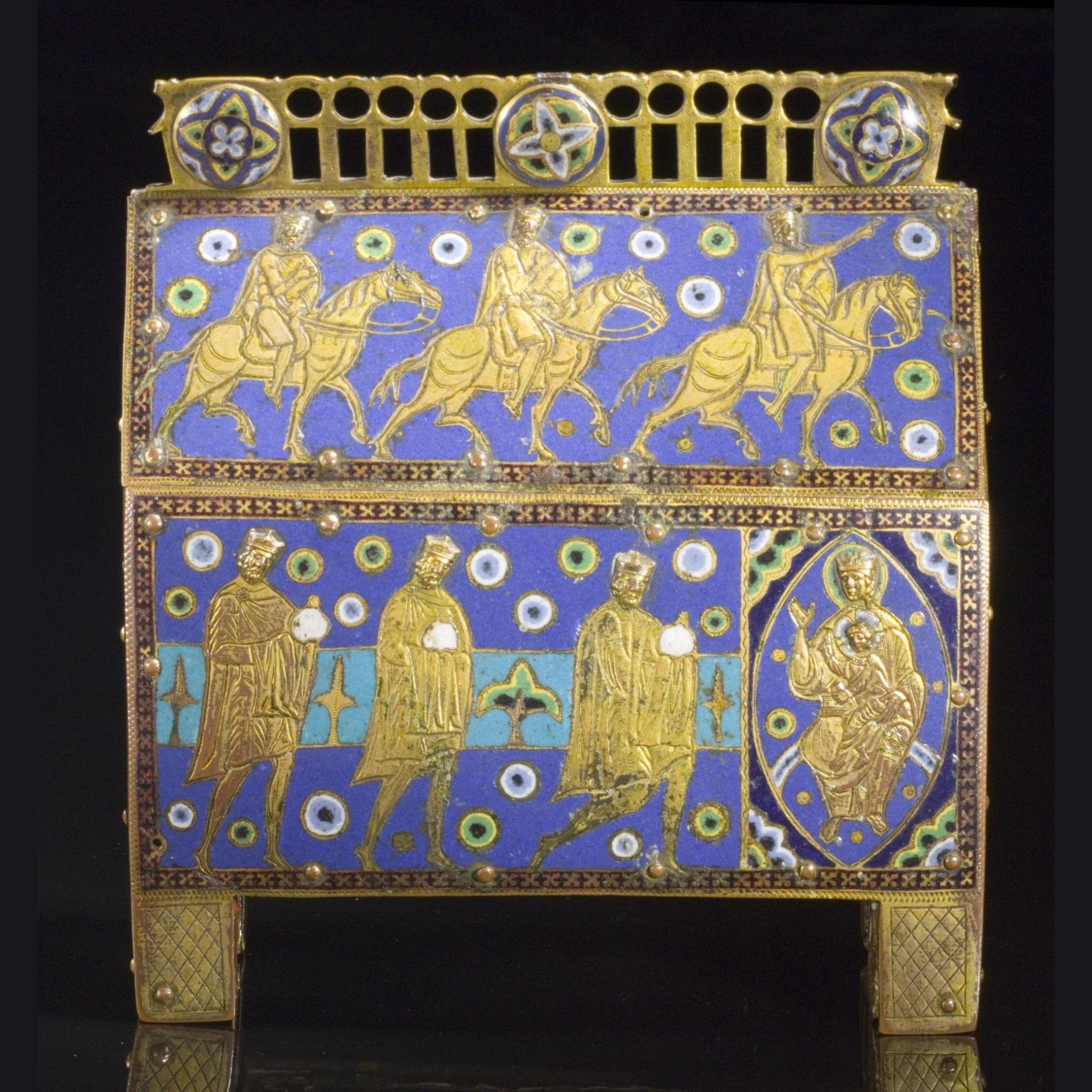
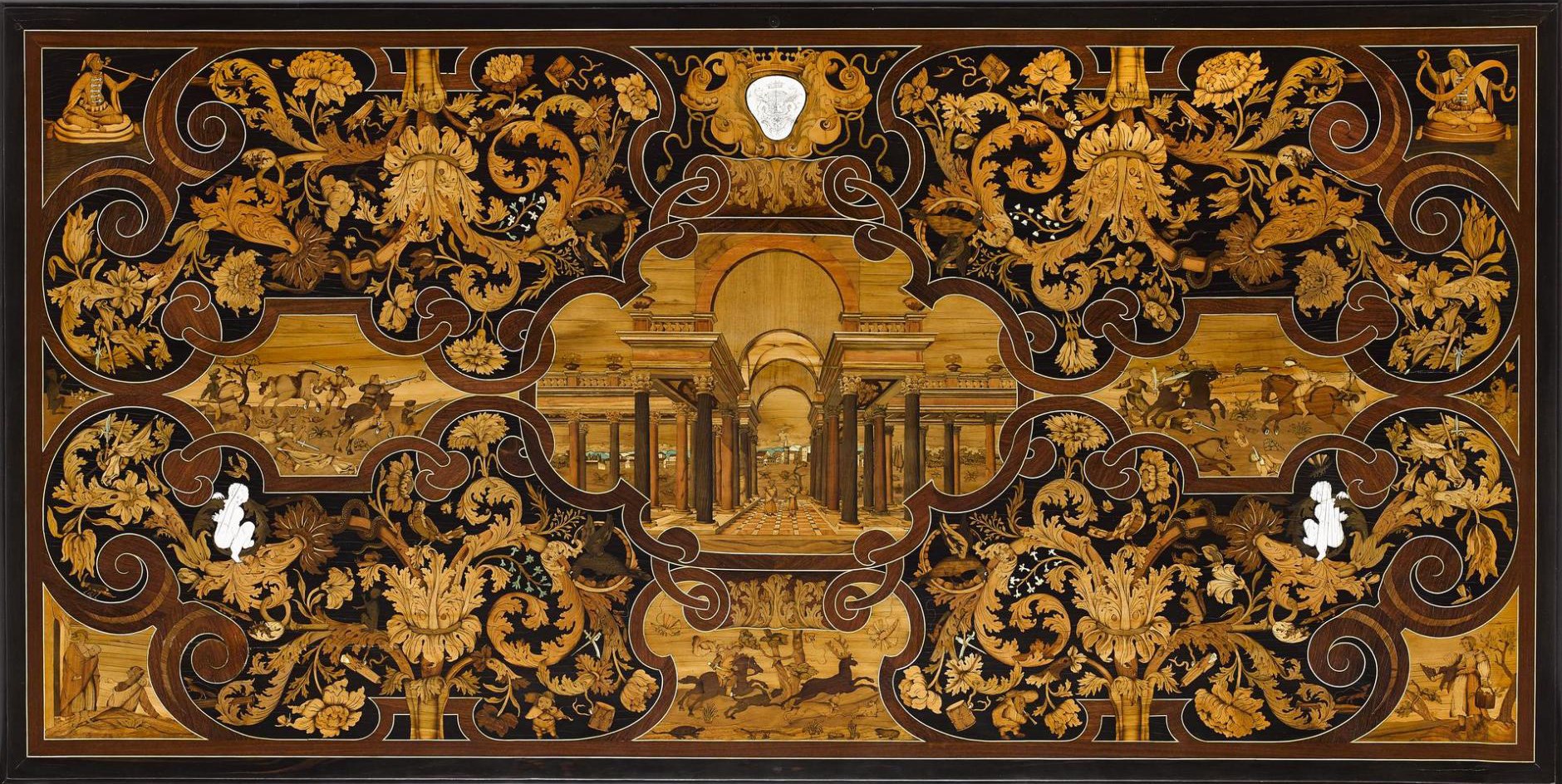
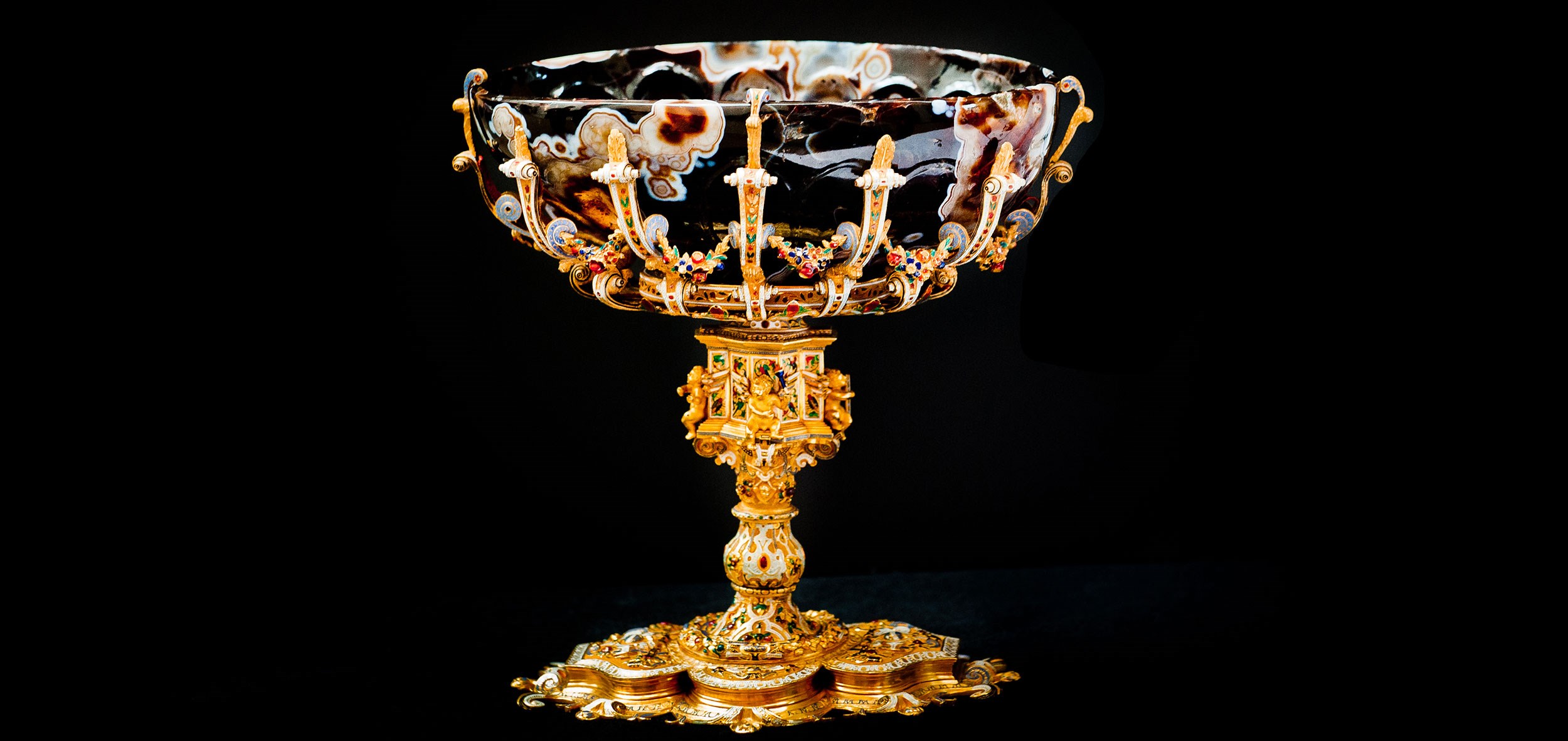
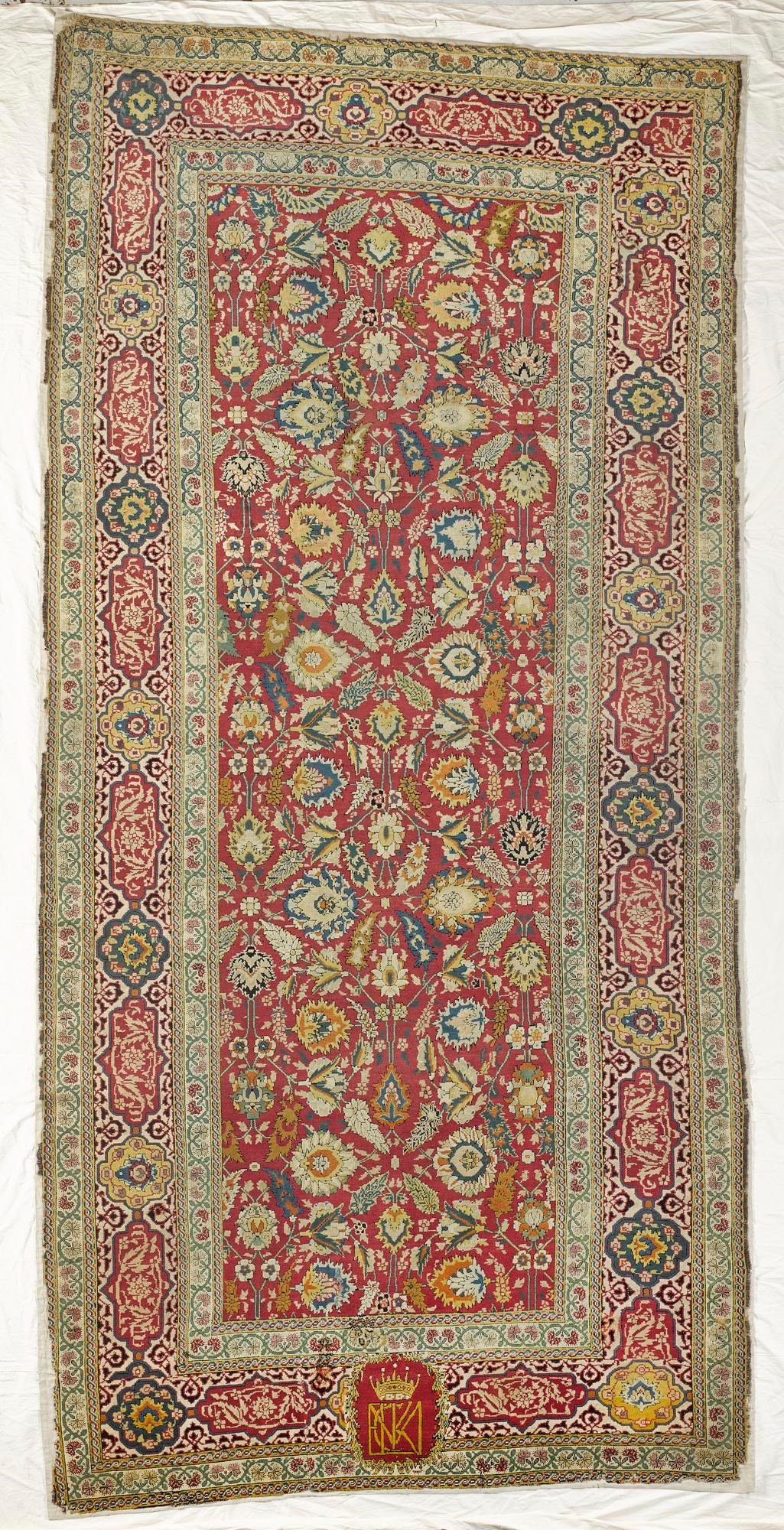
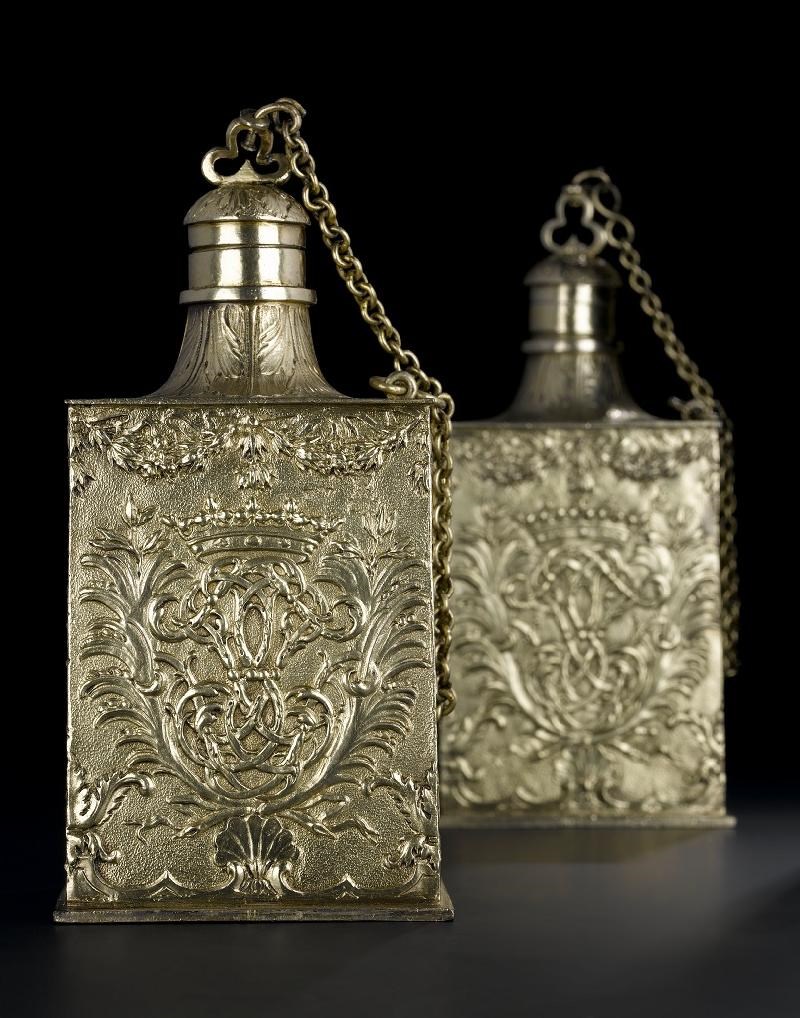
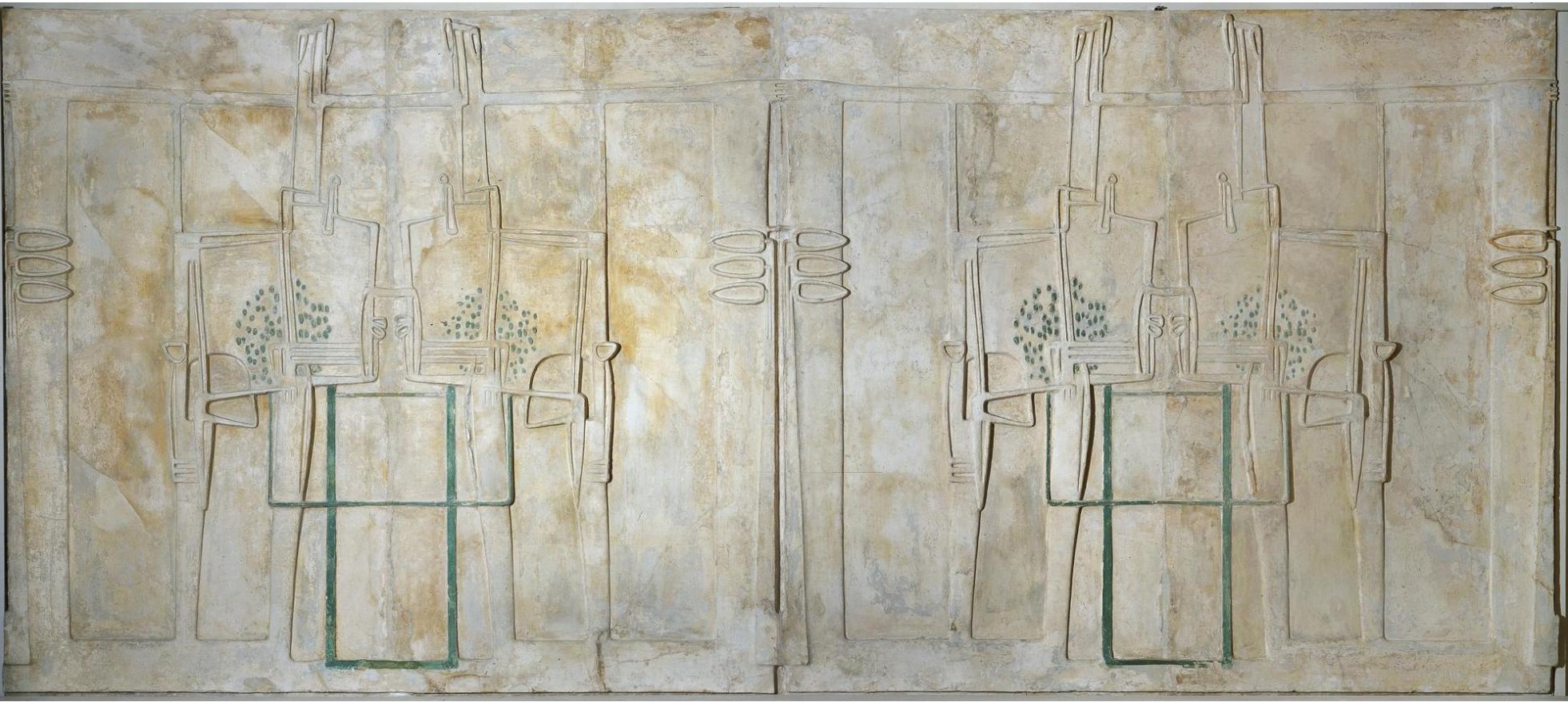
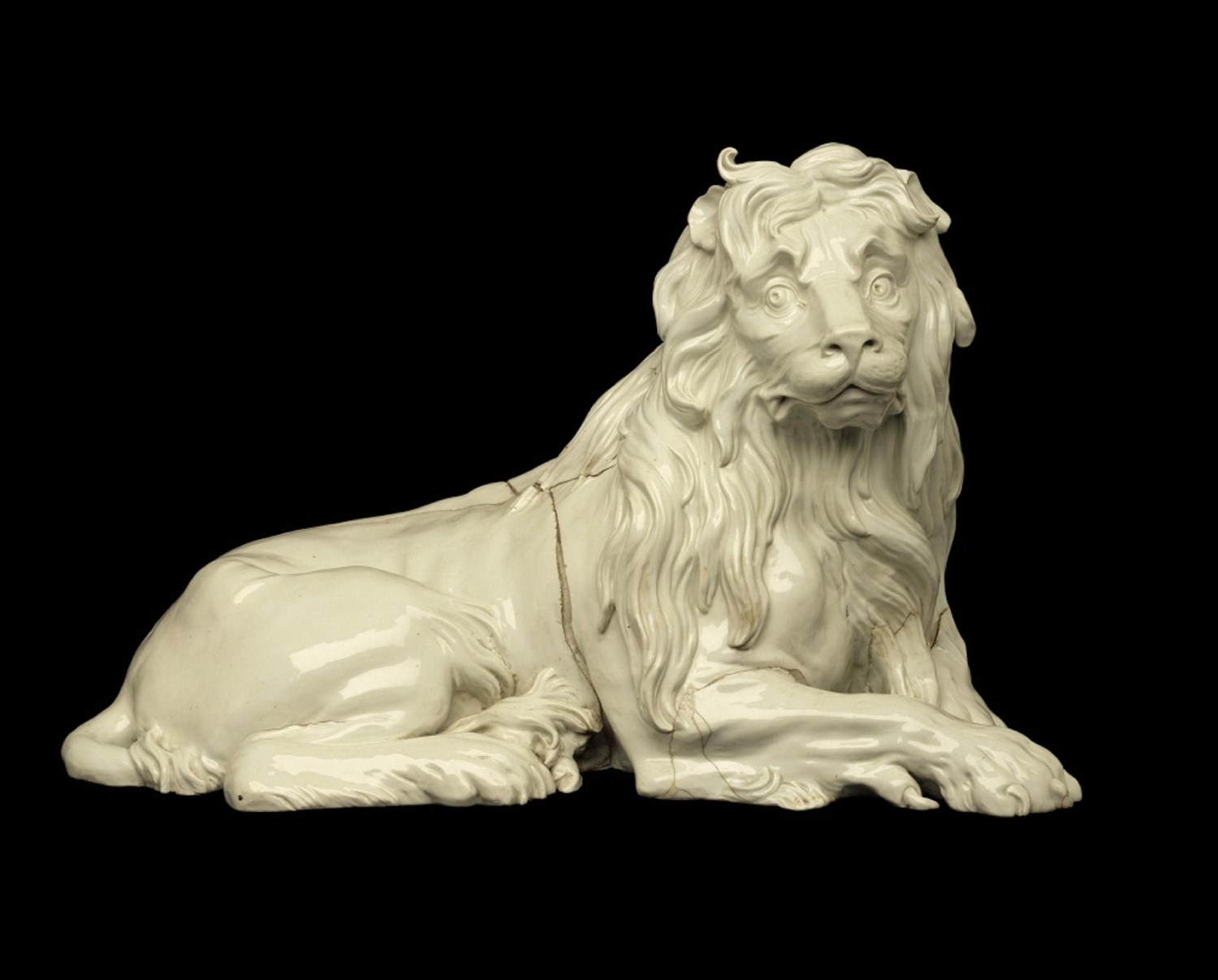
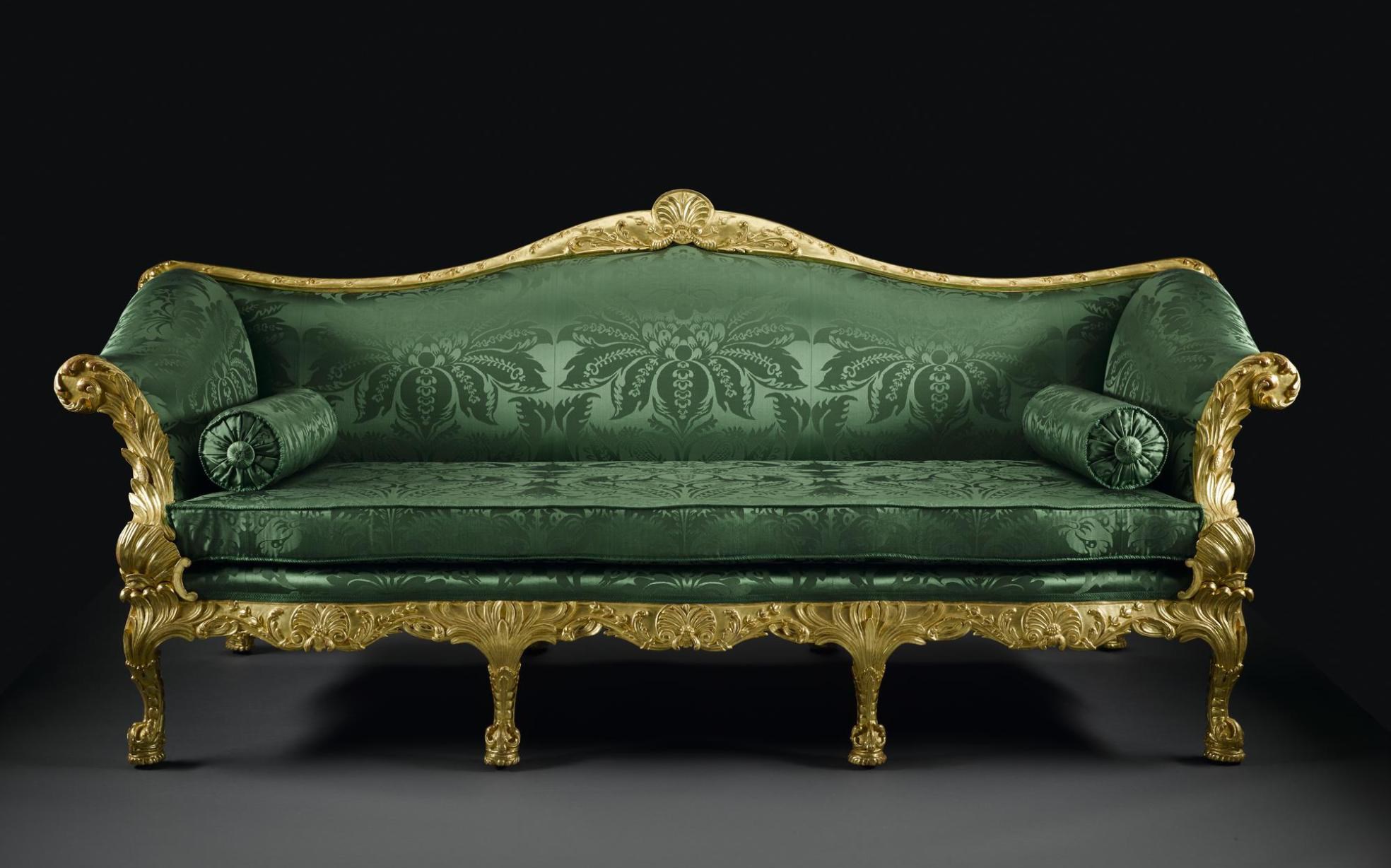
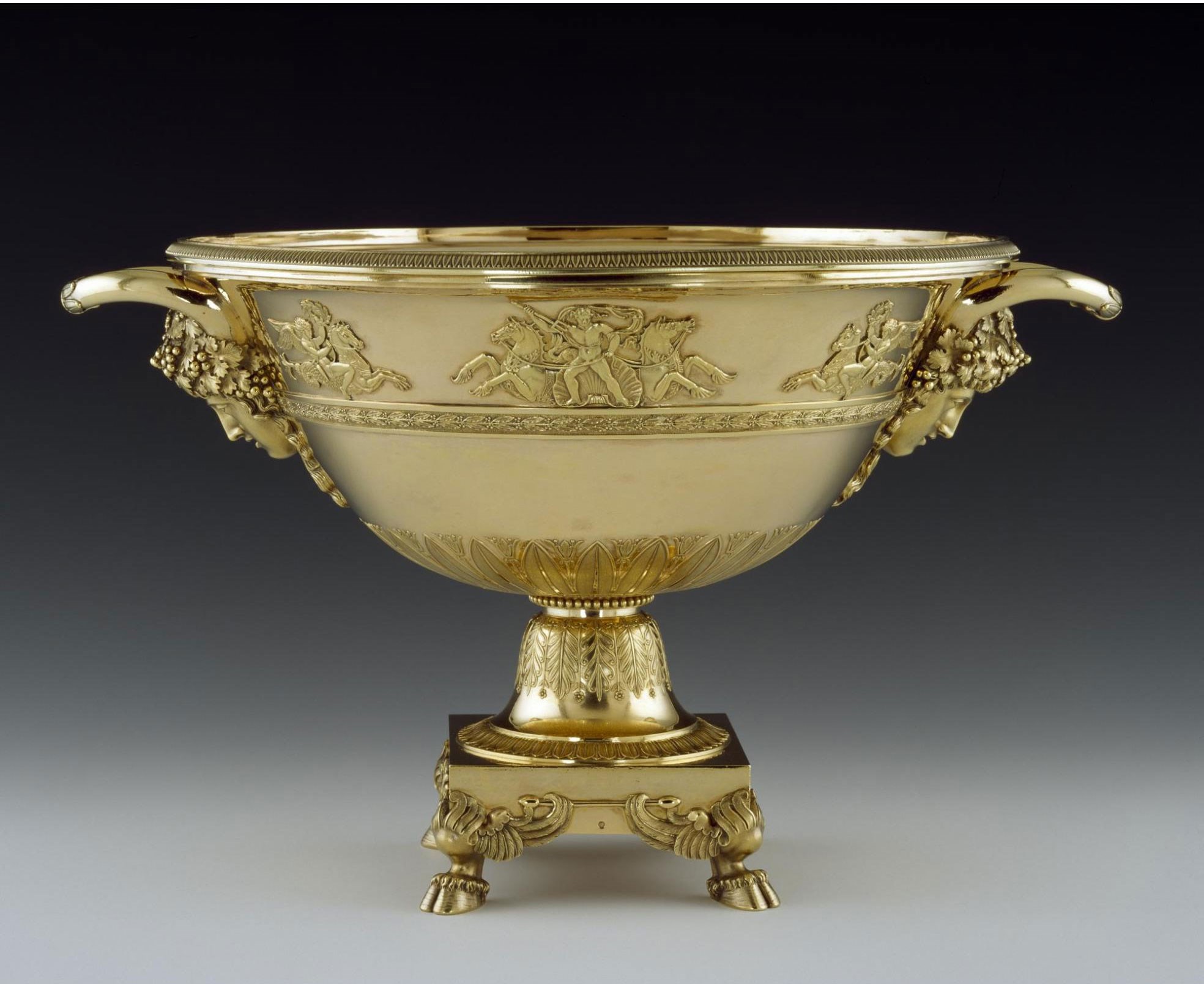
Then take a trip to our Art of Living gallery to see stunning examples of decorative art as expressions of beauty, taste, power and devotion. Sup wine from the astronomical Hamilton-Rothschild Tazza and take tea with the Emperor Napoleon’s tea service. You can also measure up against the Hamilton Palace fireplace wall. Restored to its former glory, this stateroom was saved from the grandest non-royal residence in Europe.
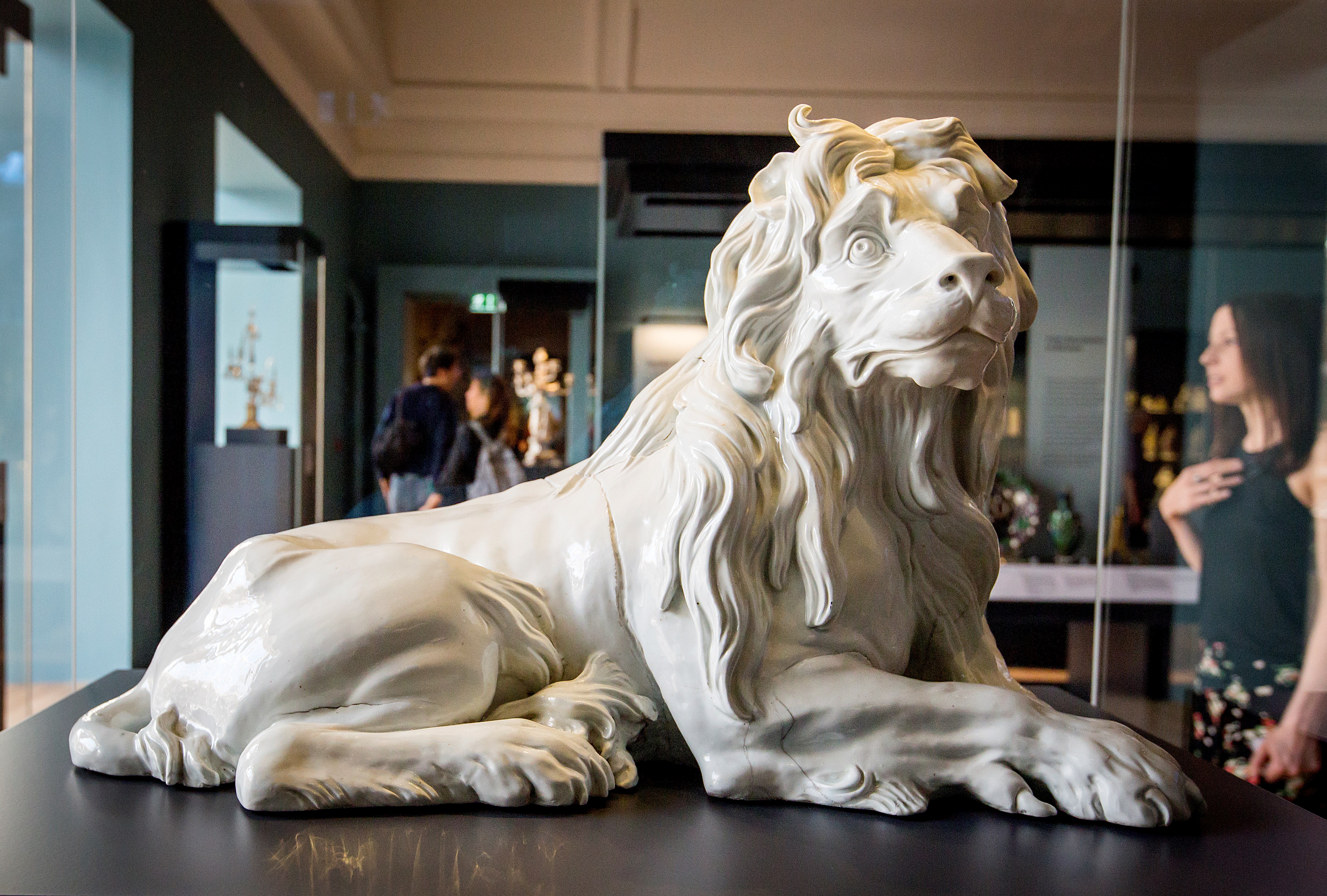
The Meissen lion in the Art of Living gallery.
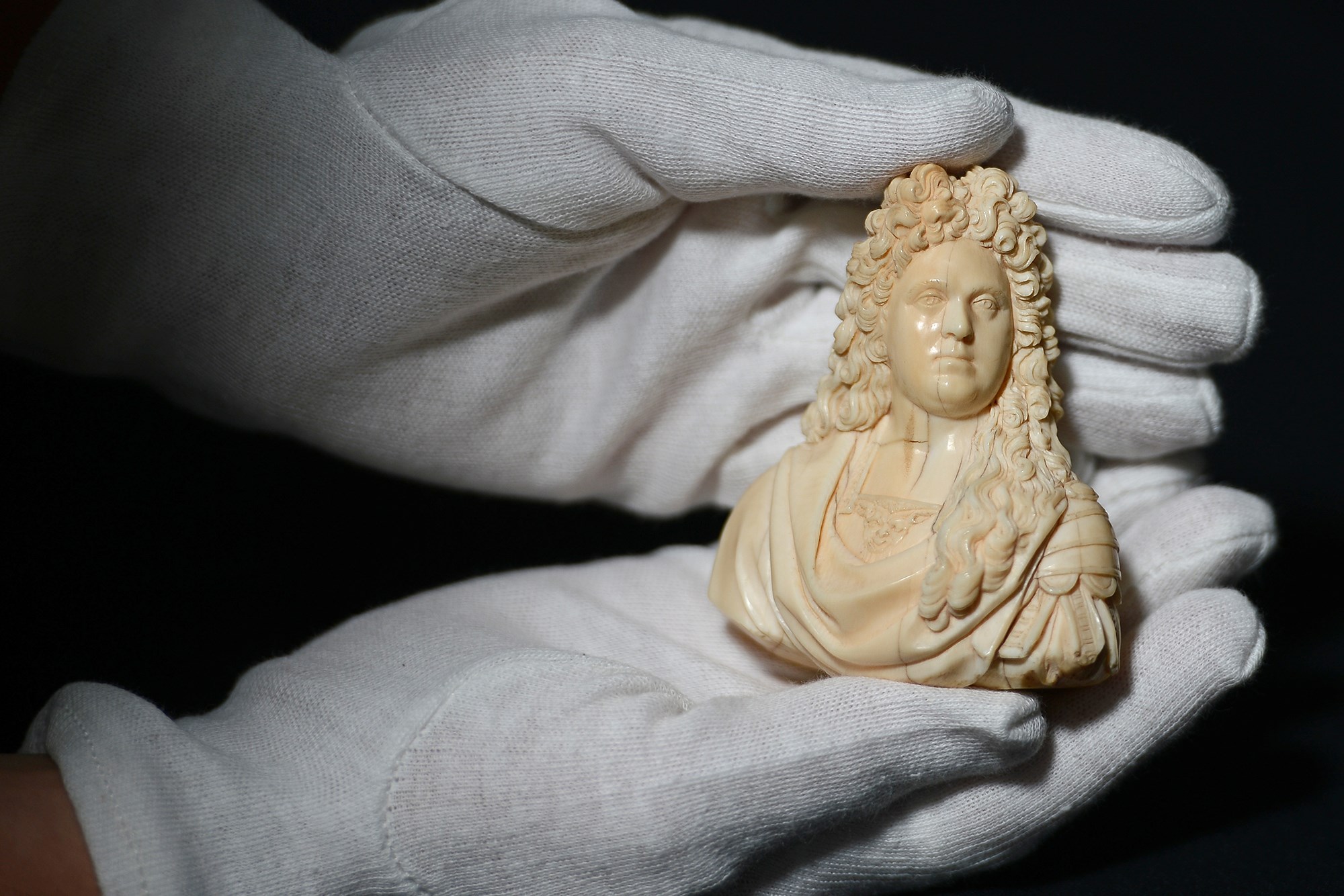
From earliest times sculptors have created works intended to inspire devotion, to tell stories, to commemorate individuals or to capture beauty in a lasting form. Traditions in Sculpture, on the balcony of Level 5, contrasts classical and Christian sculpture with those of the Hindu and Buddhist traditions.
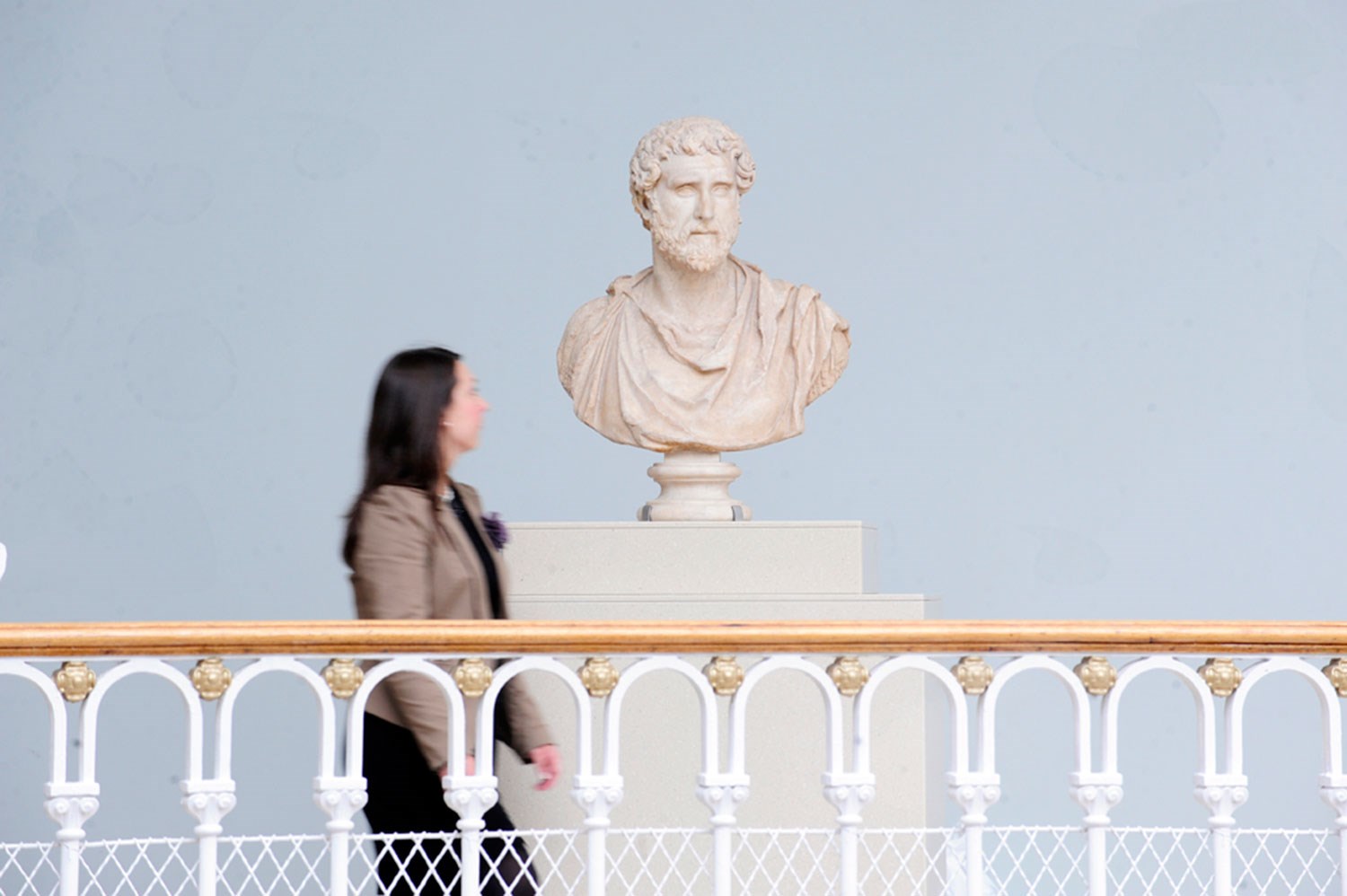
Traditions in Sculpture gallery on Level 5.