• Jump to main content
  • Home page
  • What's on
  • Site map
  • Search
  • About us
  • Freedom of Information
  • Complaints procedure
  • Privacy policy
  • Contact us
  • Access key details

National Museums Scotland

  • About us
  • Contact us
  • Accessibility
  • Venue hire
  • Home
Search
  • Our museums
  • What's on
  • Highlights
  • Kids
  • Learning
  • Collections & research
  • Making connections
  • Support us
  • Shop
  • National Museum
    • What's on
    • Plan your visit
    • Explore the galleries
      • Grand Gallery
      • Window on the World
      • Discoveries
      • Scotland
      • World Cultures
      • Natural World
        • Earth in Space
        • Restless Earth
        • Adventure Planet
        • Animal Senses
        • Animal World
        • Survival
        • Wildlife Panorama
      • Art and Design
      • Science and Technology
    • Exhibitions
    • Past exhibitions
    • Our new museum
    • School visits
    • Brave
    • Museum Explorer app
  • War Museum
  • Museum of Rural Life
  • Museum of Flight
  • Museum of Costume
  • Museums Collection Centre
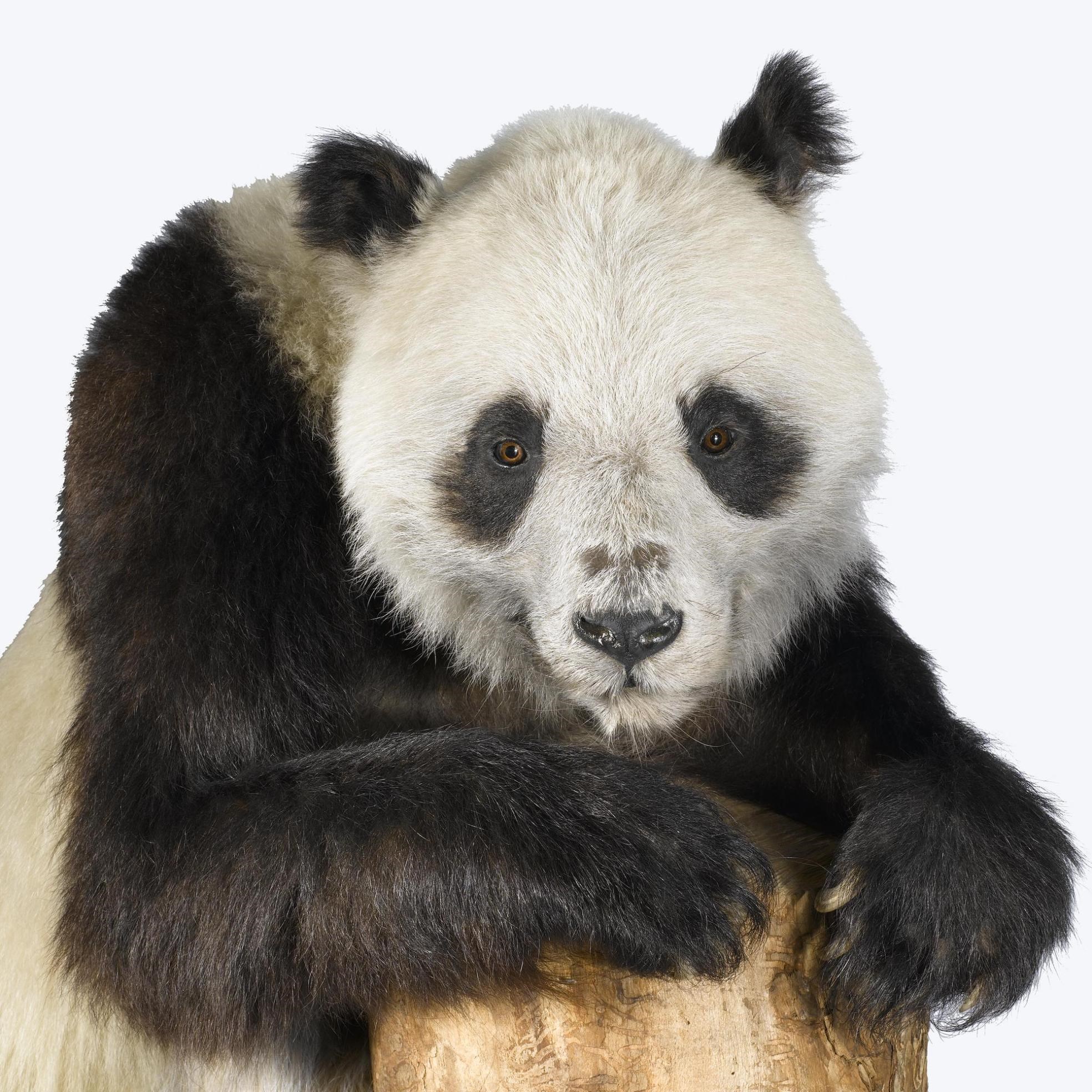
Ching Ching the Giant Panda

Survival

What makes one animal species thrive and another die out? The ability of a species to adapt to its environment is key to its survival.

The processes of evolution and extinction are constantly happening, changing the diversity of life on Earth. What we do to the world around us affects these processes dramatically and threatens the survival of life as we know it.

The dodo in the Survival gallery

Above: The dodo, an icon of extinction.

Click on any of the images below to see a larger version of the object and find out more about it.

Life evolves

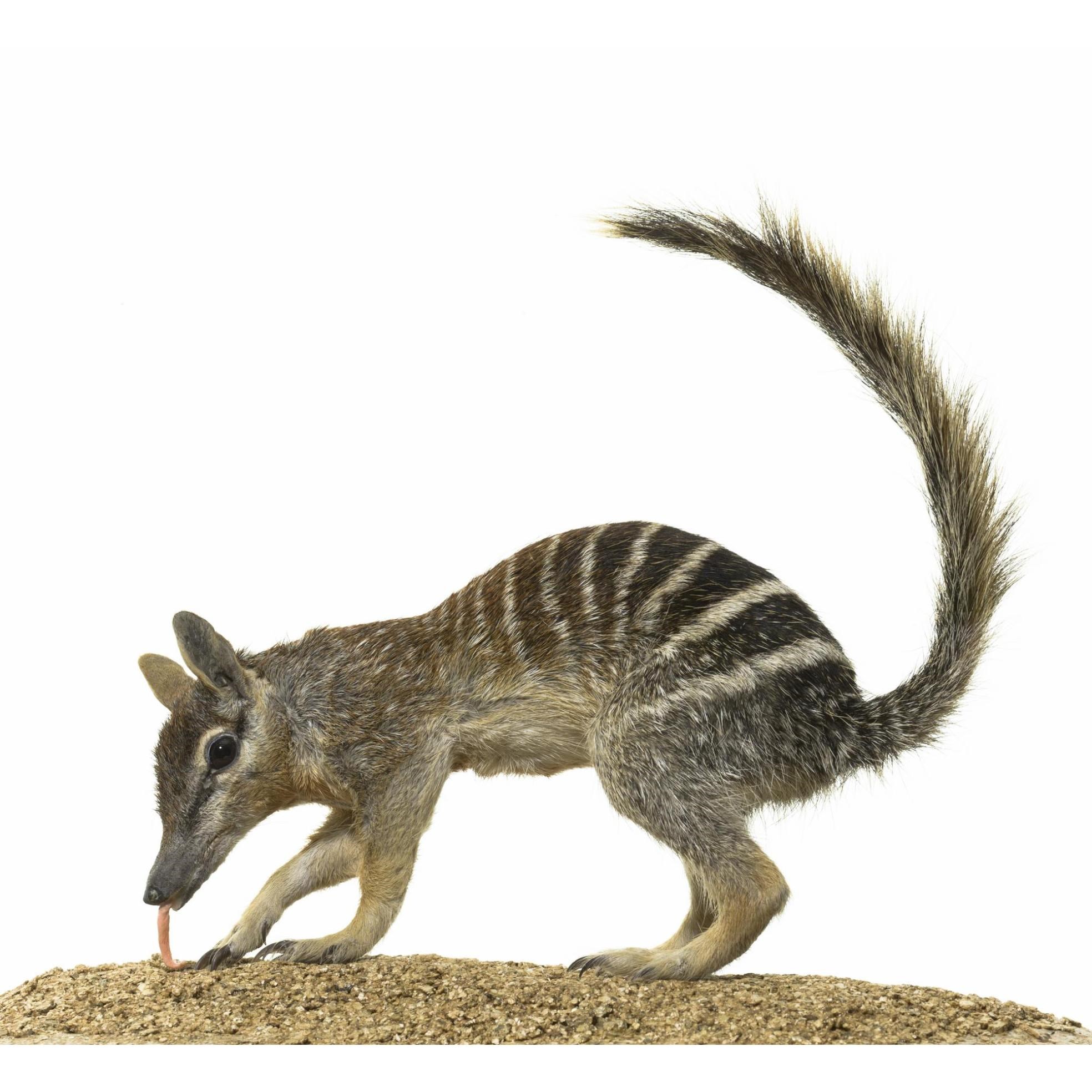
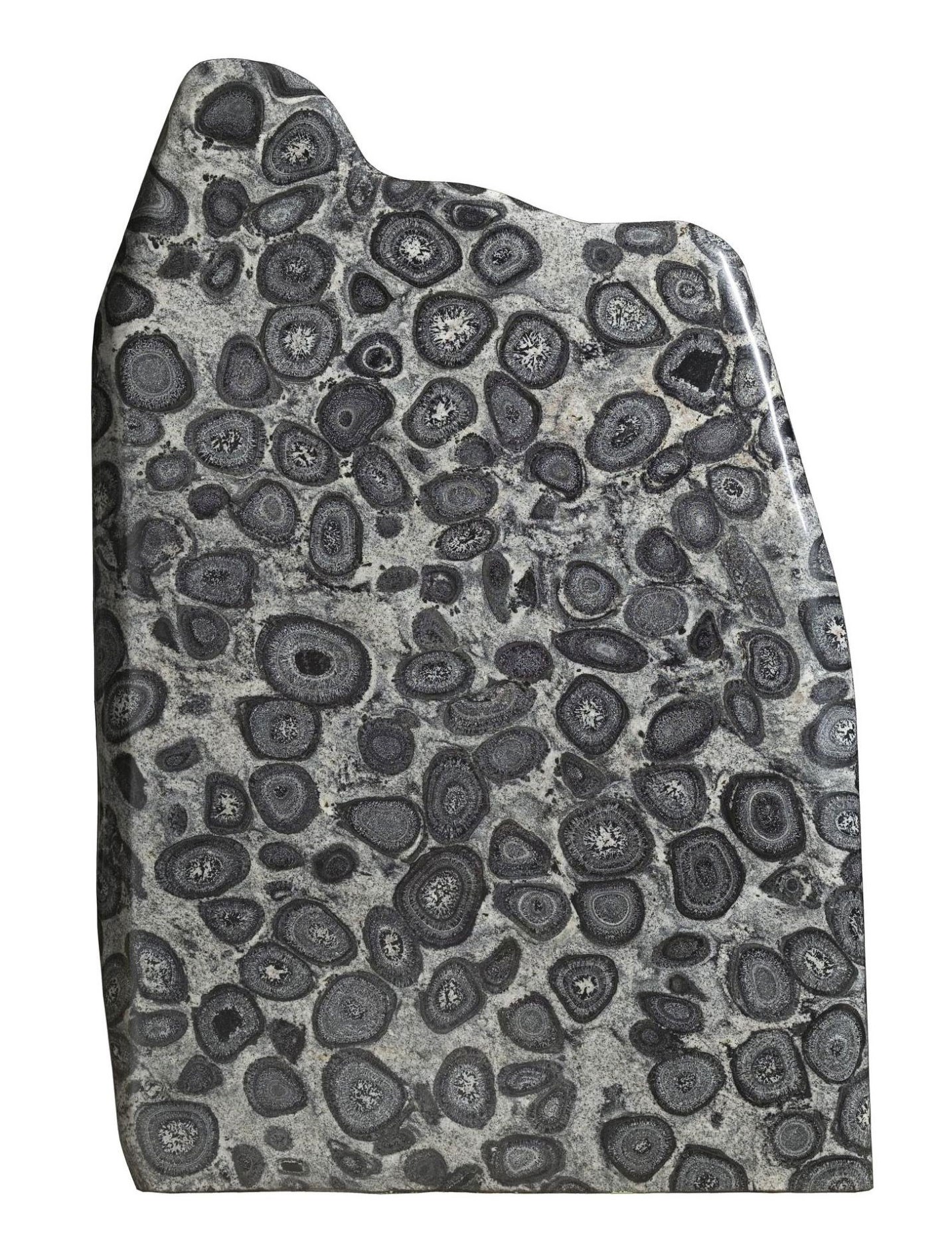
Life on Earth has changed dramatically over millions of years. The process through which living things change their appearance and behaviour over successive generations is called evolution.

Evolution takes place mostly by natural selection. Some living things are better suited to a particular environment and produce more surviving offspring. As environments change, only the best adapted individuals survive and over time, populations and species change. How do we know this? Today’s living things and fossils from the distant past provide evidence for evolution.

Dimetrodon fossil
Rhamphorhynchus
Swamp wallaby

Producing new species

Over time individual animals in a population may change in appearance through natural selection. But how do new species arise? Or even whole groups, such as vertebrates or birds?

Natural selection and chance events can lead to changes in the appearance and genetics of individual animals. Eventually they may become so different from their ancestors that they are recognised as a new species. This is called speciation and it can happen rapidly or over many generations.

Human impact

People have always had an impact on other species and natural environments. The Survival gallery also examines the ever-increasing impact of today’s huge and expanding human population.

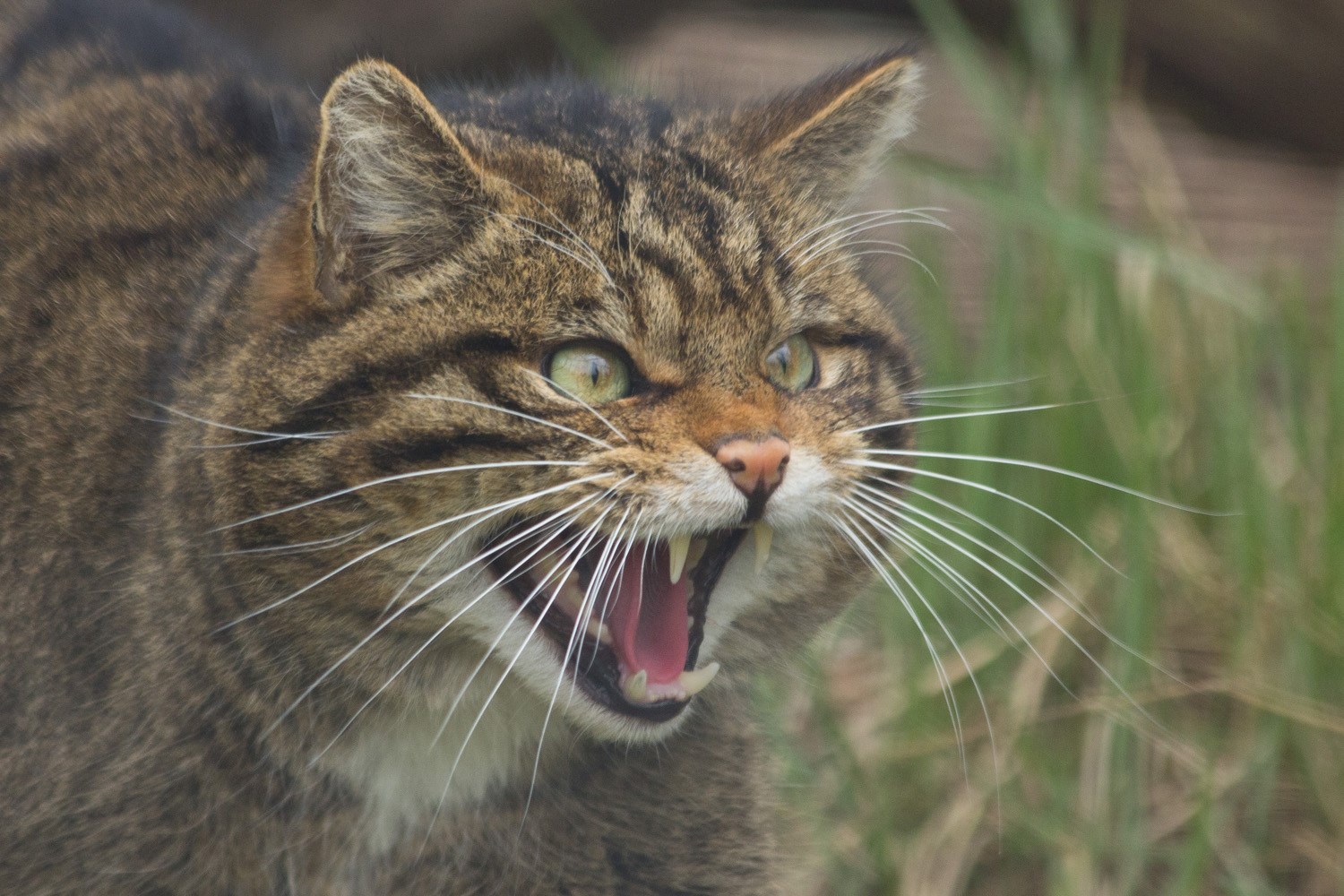
Burning oil, gas and coal for energy is affecting climate and environments globally. Forests and other habitats are being destroyed for their natural resources. Fish and other marine life are scoured from the oceans for food and fertiliser. Trade and industry are polluting water, land and air. Countless thousands of species are in danger. Are we on the brink of the next mass extinction?

Dodo
Baiji
Steller's sea cow
Californian condor
Quagga
White-tailed eagle

Share this page

  • Facebook Icon Facebook
  • Del.iciou.us Icon Delicious
  • StumbleUpon Icon Stumble Upon
  • Twitter Icon Twitter

What are these links?

Find the gallery

  • Museum map

Search our collections

  • Survival

Objects in focus

  • Ching Ching the Giant Panda

Connect with us

  • Follow us on Twitter Twitter
  • Join our Flickr projects Flickr
  • Read about our Museums Blog
  • Find out more on Facebook Facebook

Keep in touch

Sign up for our regular e-newsletter for all the latest news and events.

Sign up

  • Contact us
  • Site map
  • Privacy policy
  • Press office
  • Current vacancies

Shop online

National Museums Scotland, Scottish Charity, No. SC 011130