Search our website
Key in a search term below to search our website.
Key in a search term below to search our website.
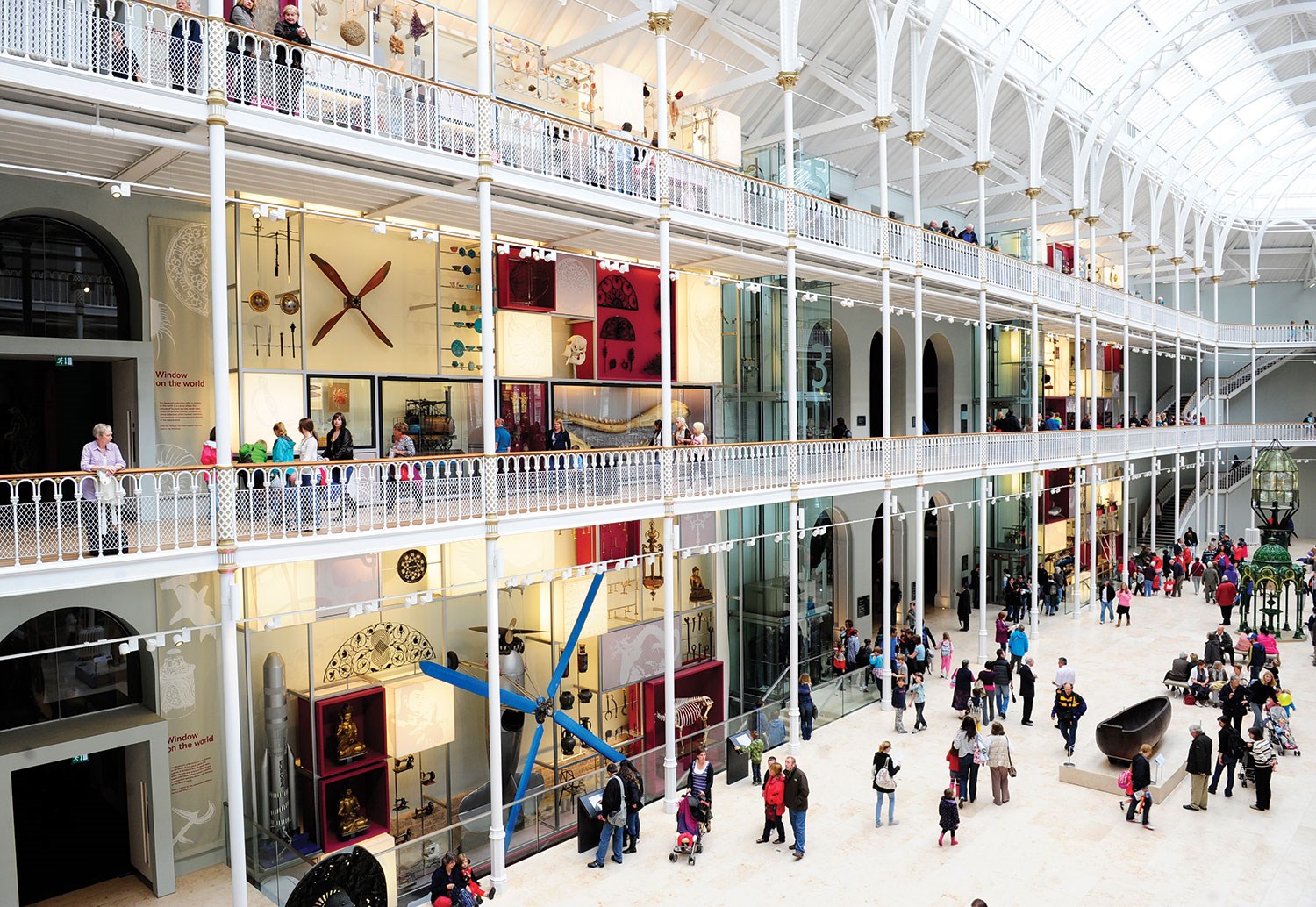
How can you travel around the world without leaving Scotland? By visiting our World Cultures galleries.
The galleries are organised by theme, both offering insights into the individual cultures and providing unexpected juxtapositions.
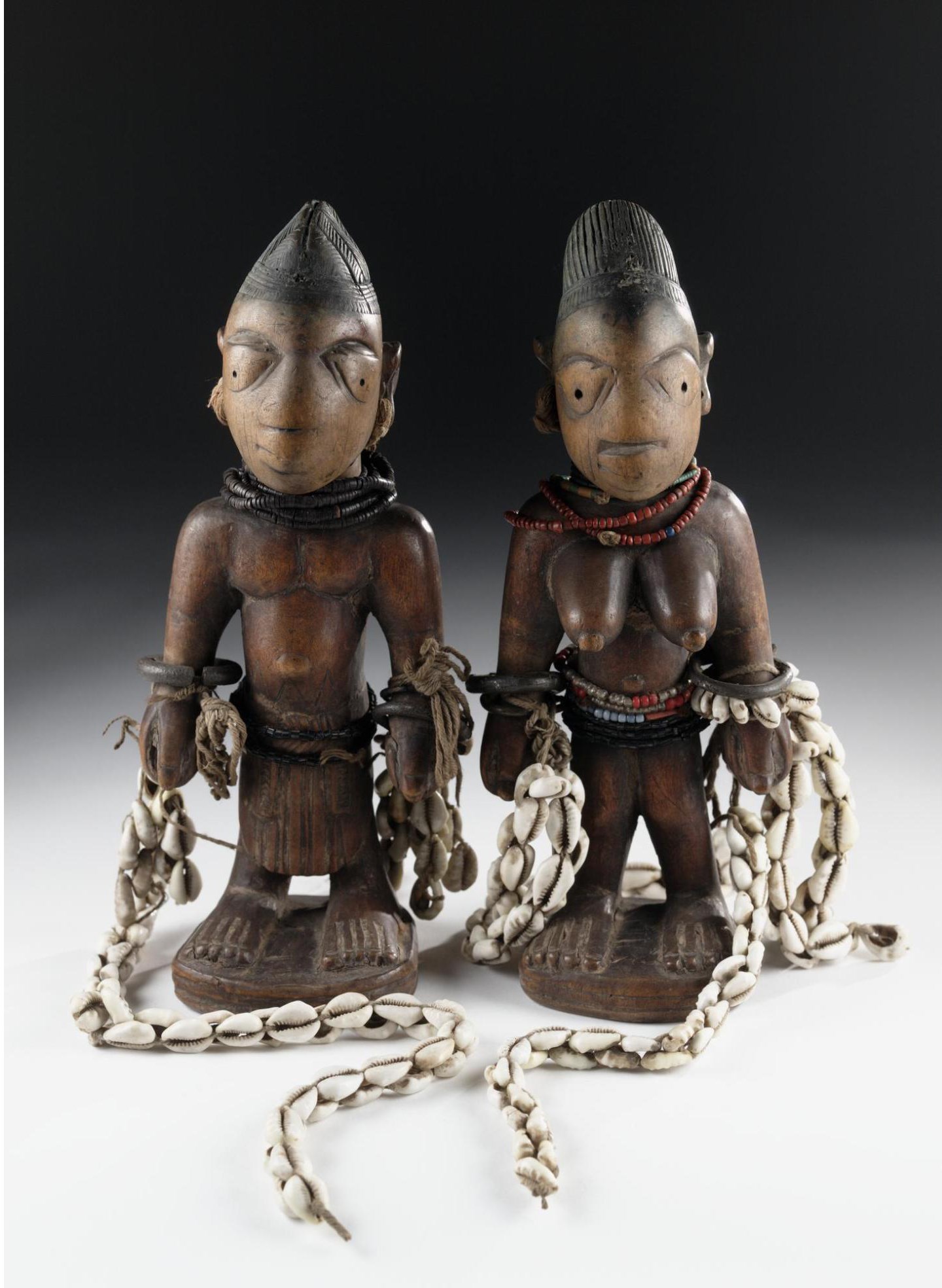
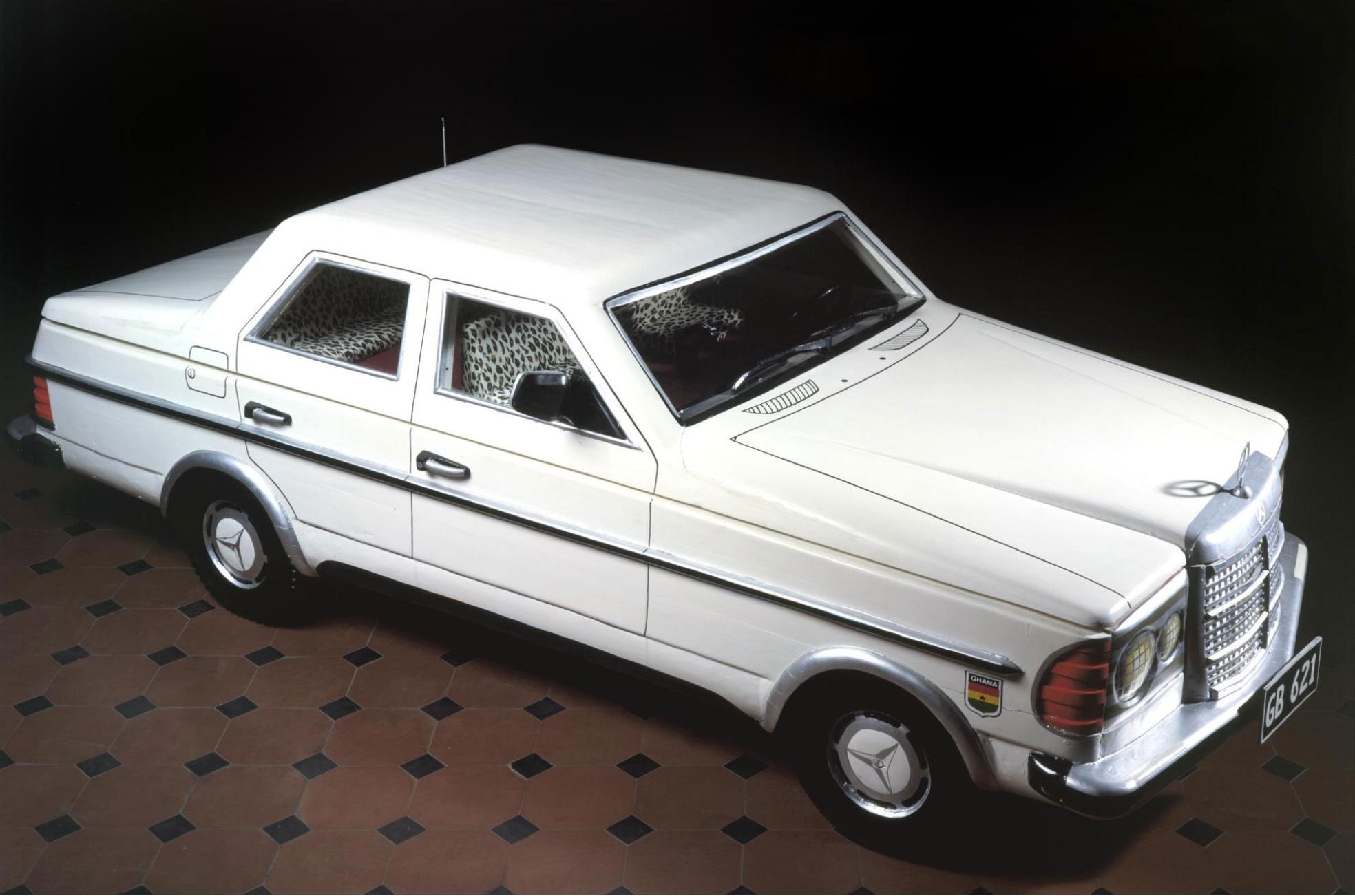
Patterns of Life, on Level 1, explores the dynamic interaction between people and their possessions throughout the stages of life, from across the four continents. Possessions can reflect identity, mark important life events, and serve as a means of expression, such as the modern African custom of choosing a coffin in the shape of a favourite object.
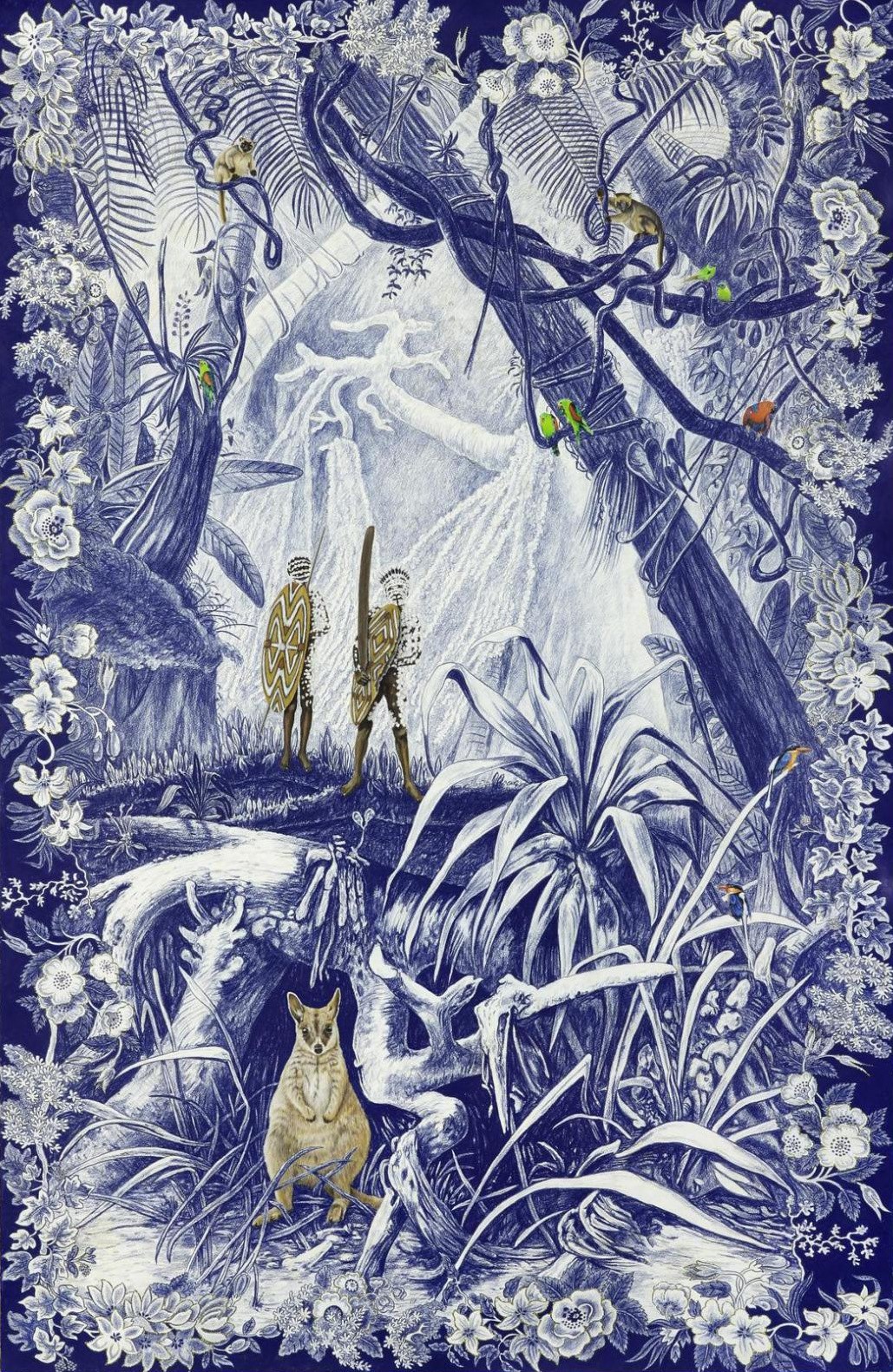
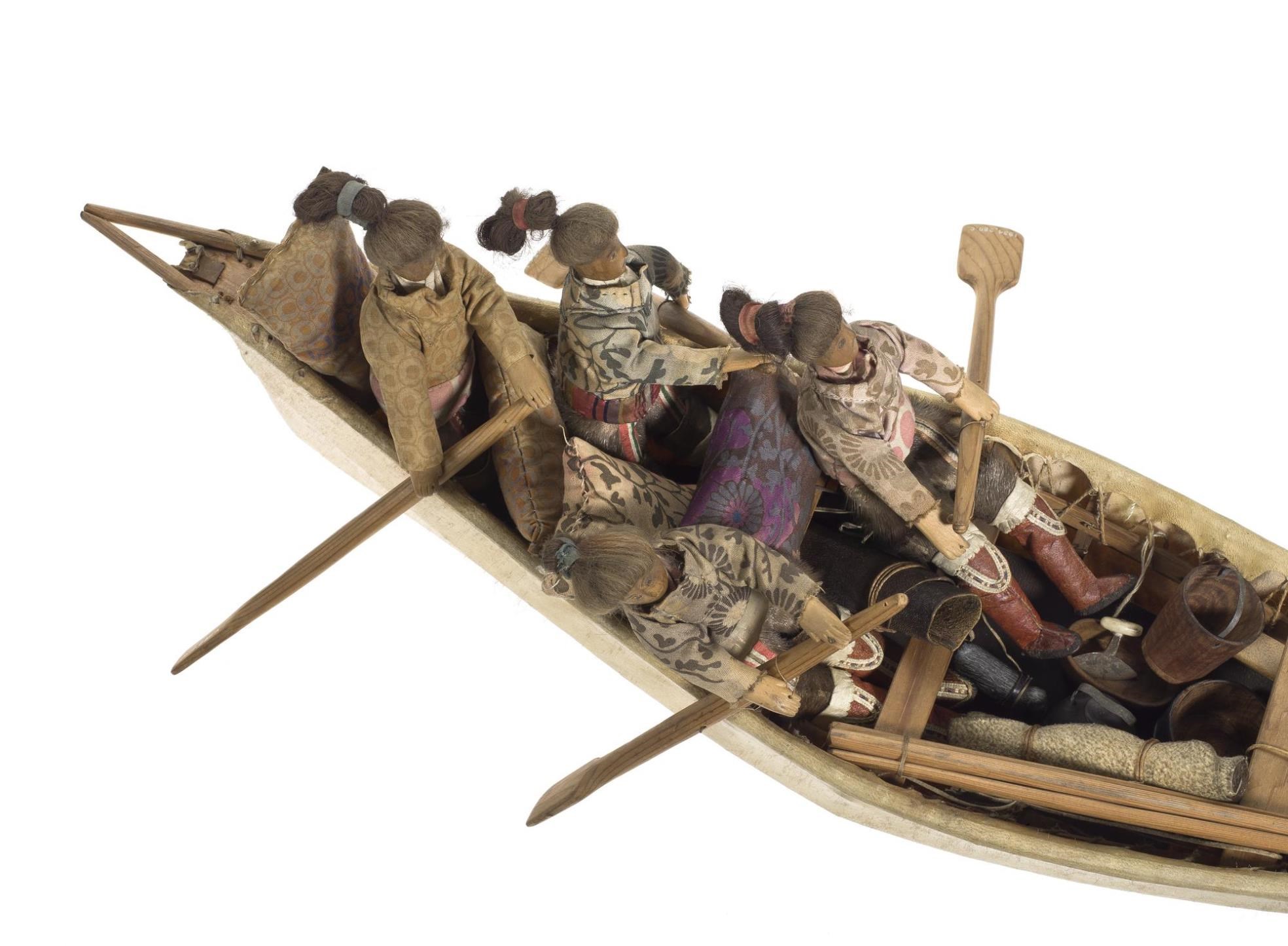
Next door, Living Lands presents objects made by indigenous peoples, from the North American Arctic to the deserts of Australia, and considers how landscape influences the way people lead their lives and what they believe. The displays also emphasize the modern situation, through contemporary art such as works by the Australian artist Danie Mellor.
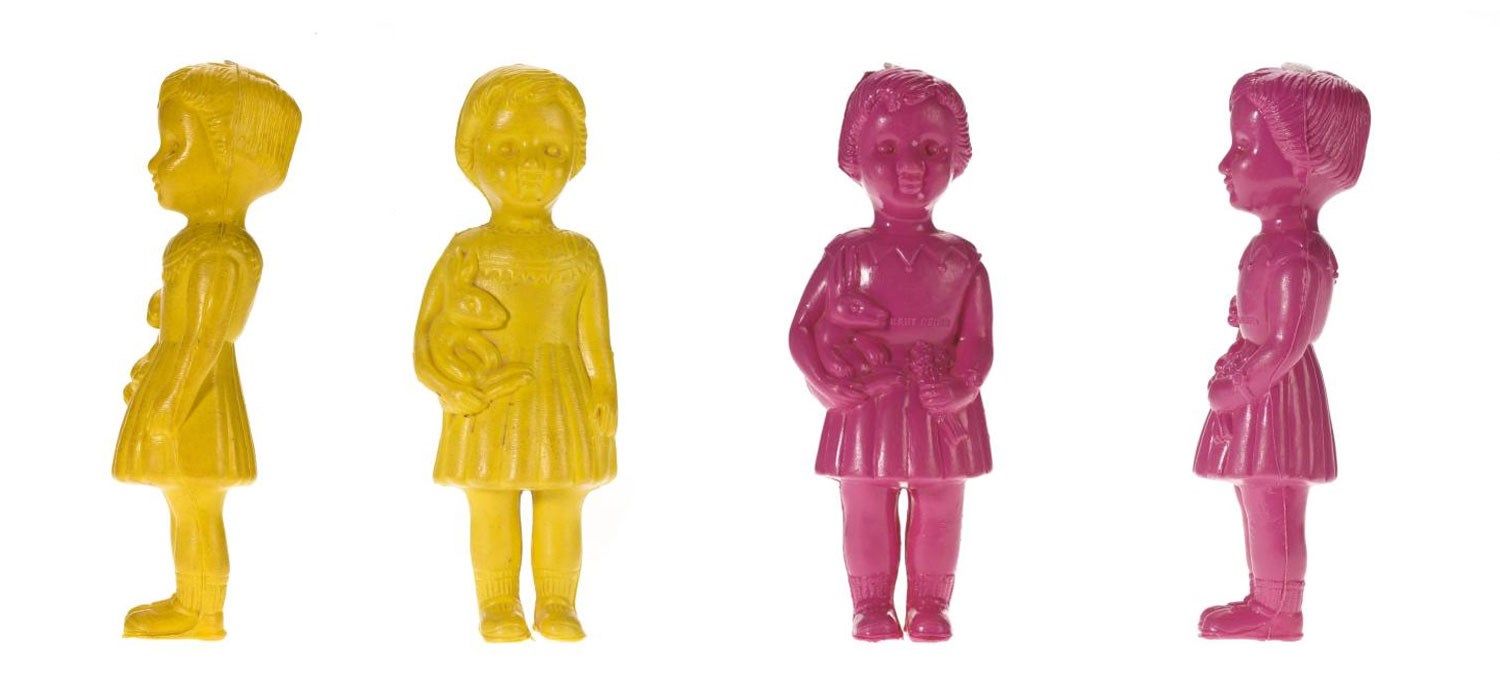
Also on Level 1, young children can develop their senses in the vibrant Imagine gallery, by interacting with shapes, colours, patterns and motifs taken from around the world.
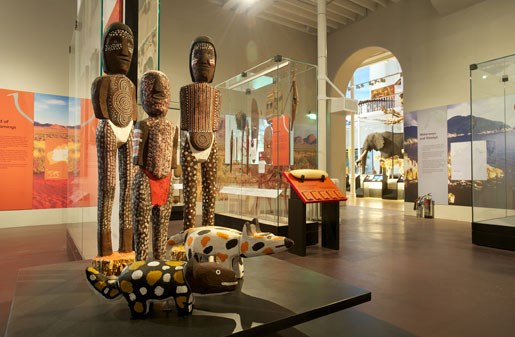
Sculptures by Wally Pwerle in the Living Lands gallery.
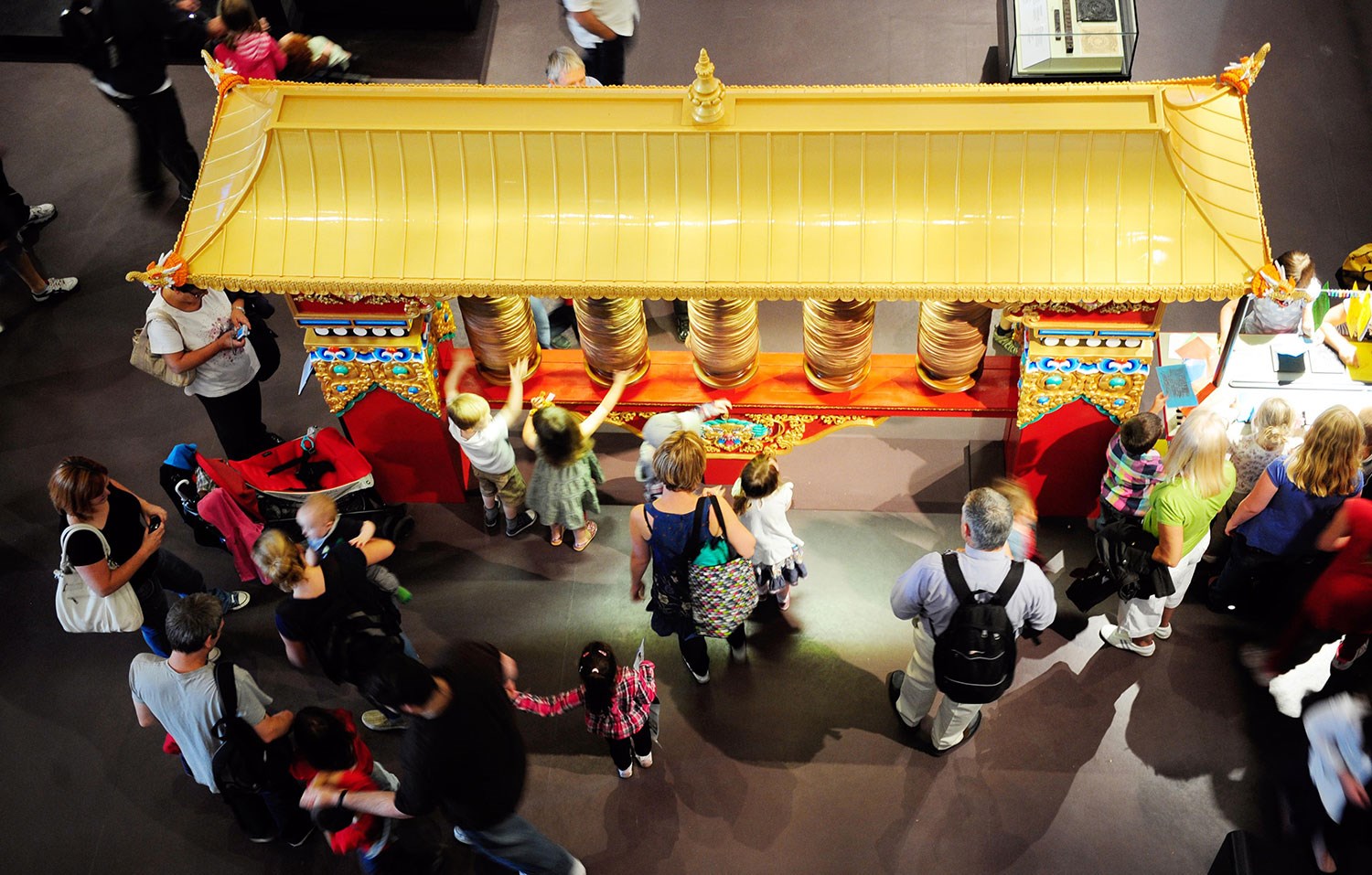
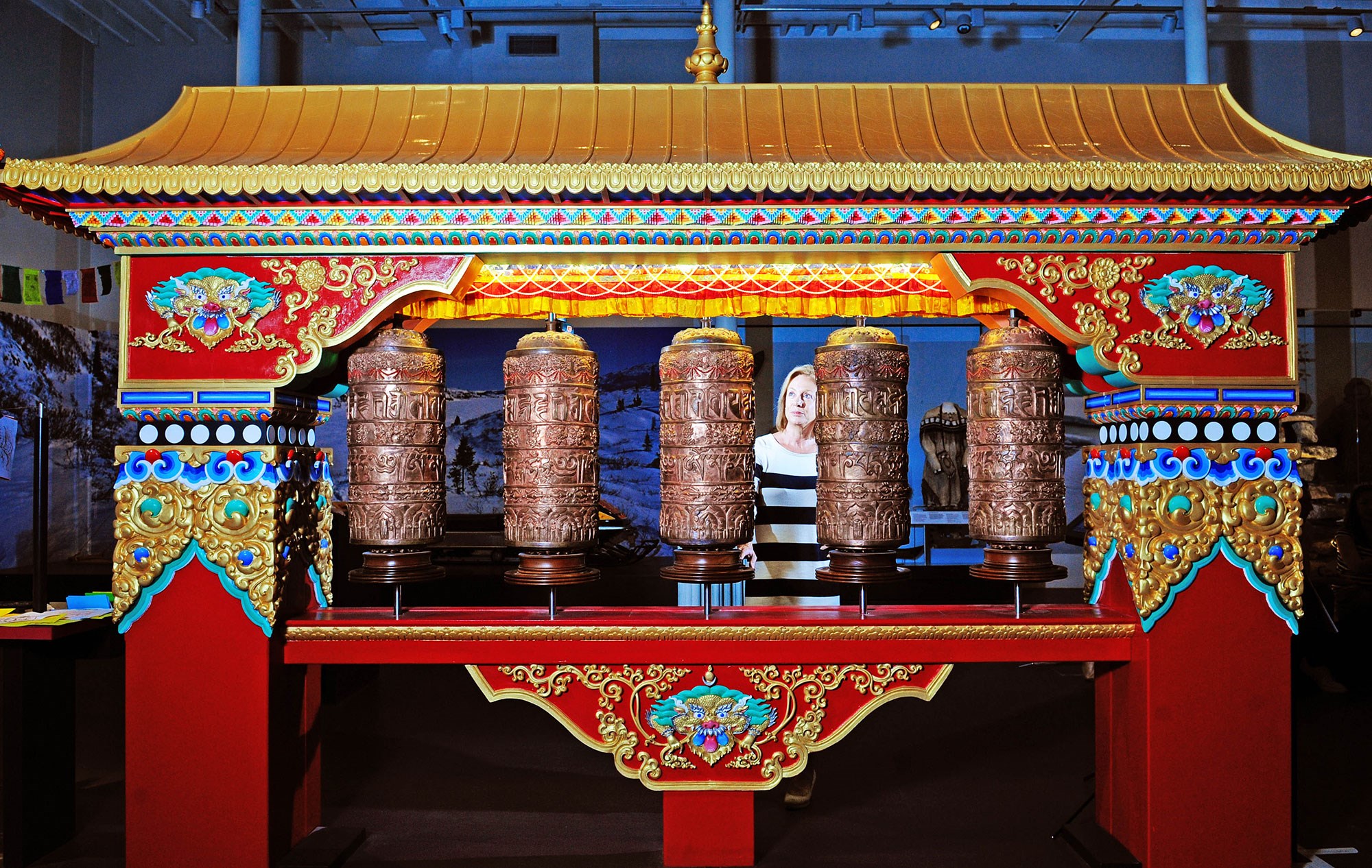
Tibetan Prayer Wheel House in the Living Lands gallery.
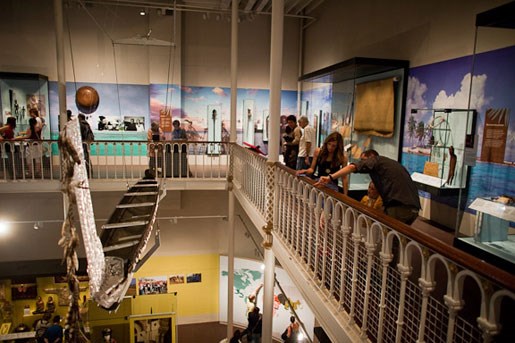
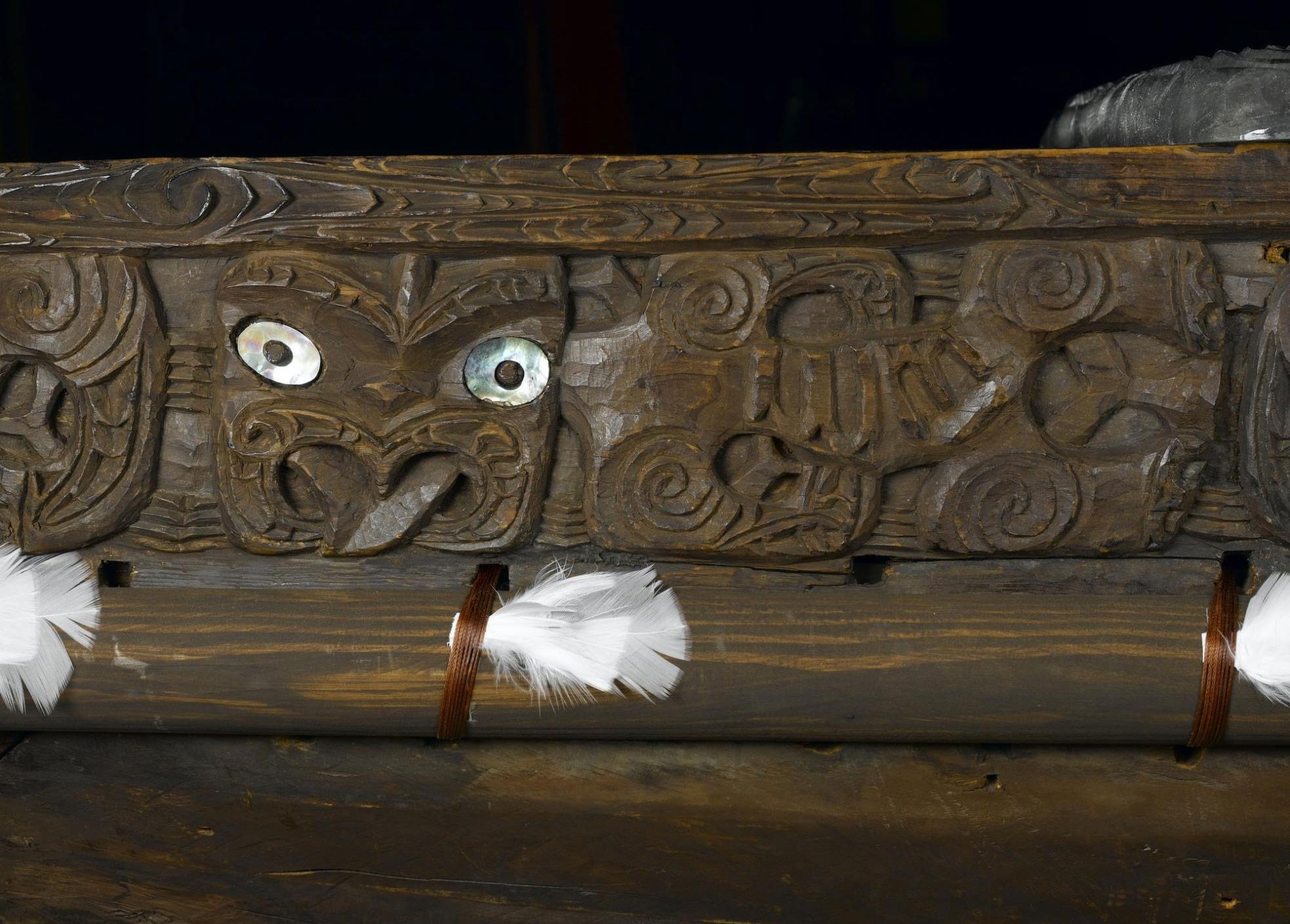
The Maori war canoe, known as a waka in the Facing the Sea gallery.
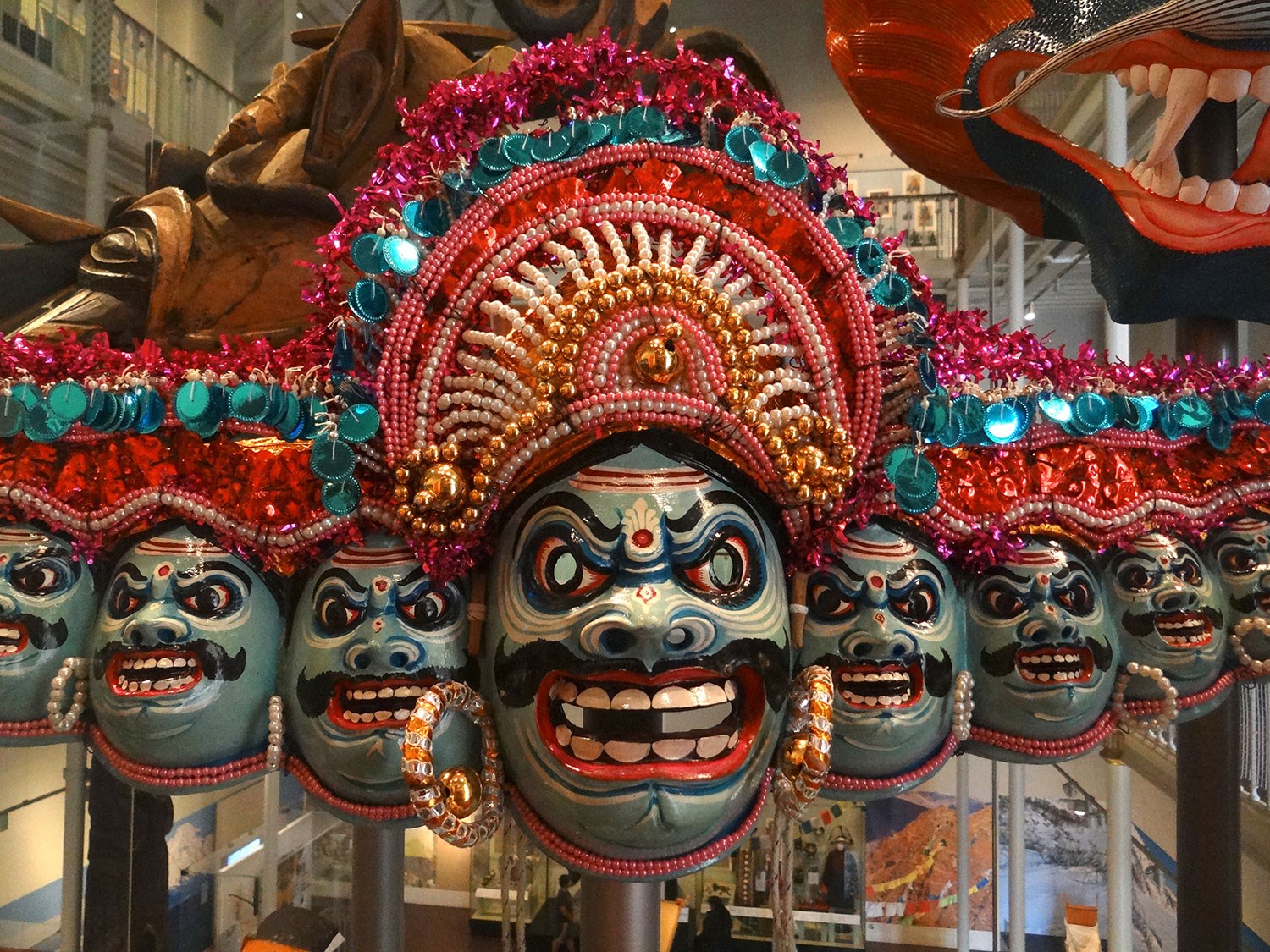
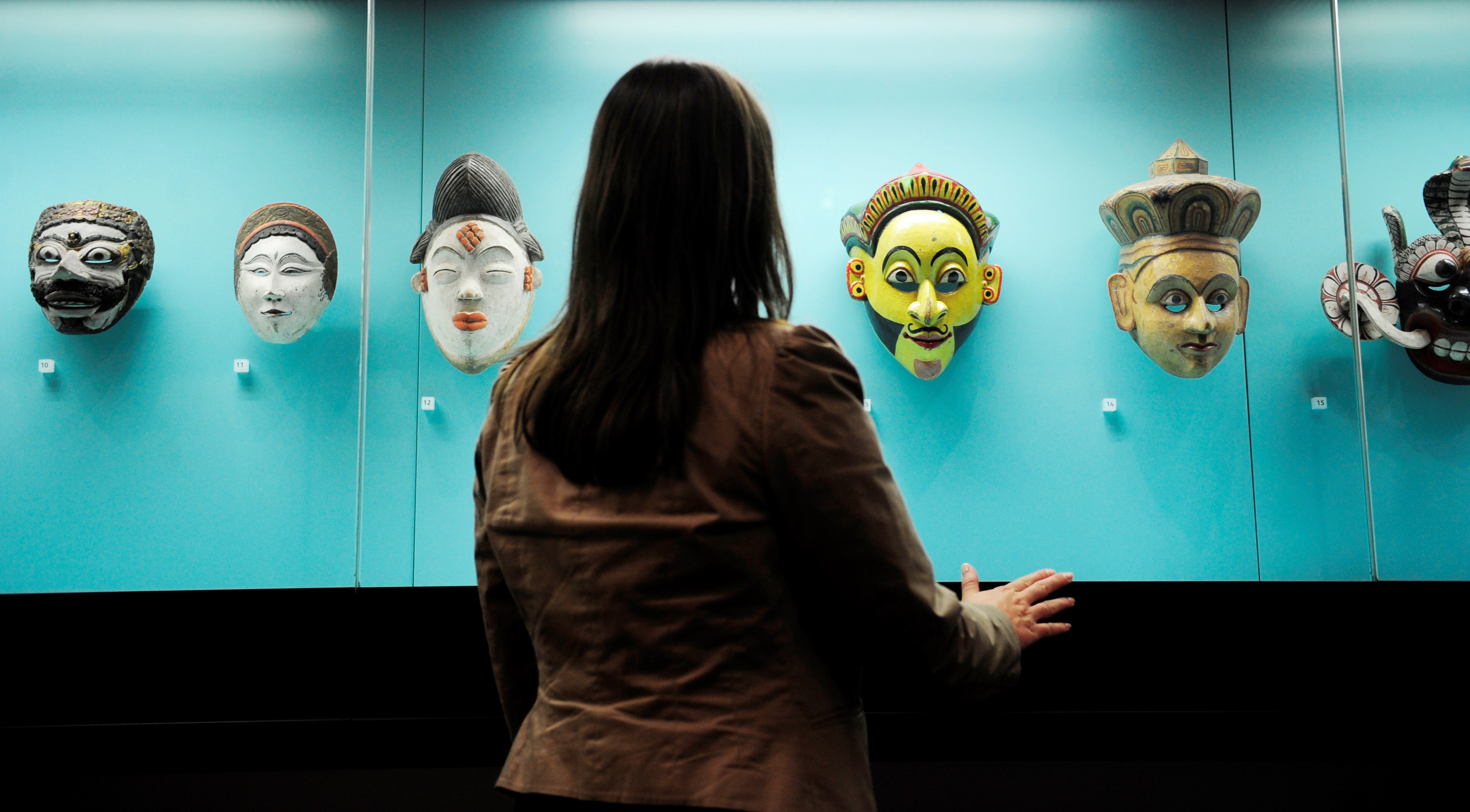
Mask of Ravenna in the Performance and Lives gallery.
Facing the Sea, on Level 3, is the only gallery in the UK dedicated to the cultures of the South Pacific. The gallery looks at the cultural diversity of this region and explains how Pacific Islanders’ lives are framed by their relationships with the sea. Here you can find our Maori waka, or war canoe, sensitively completed in Perspex by contemporary artist George Nuku.
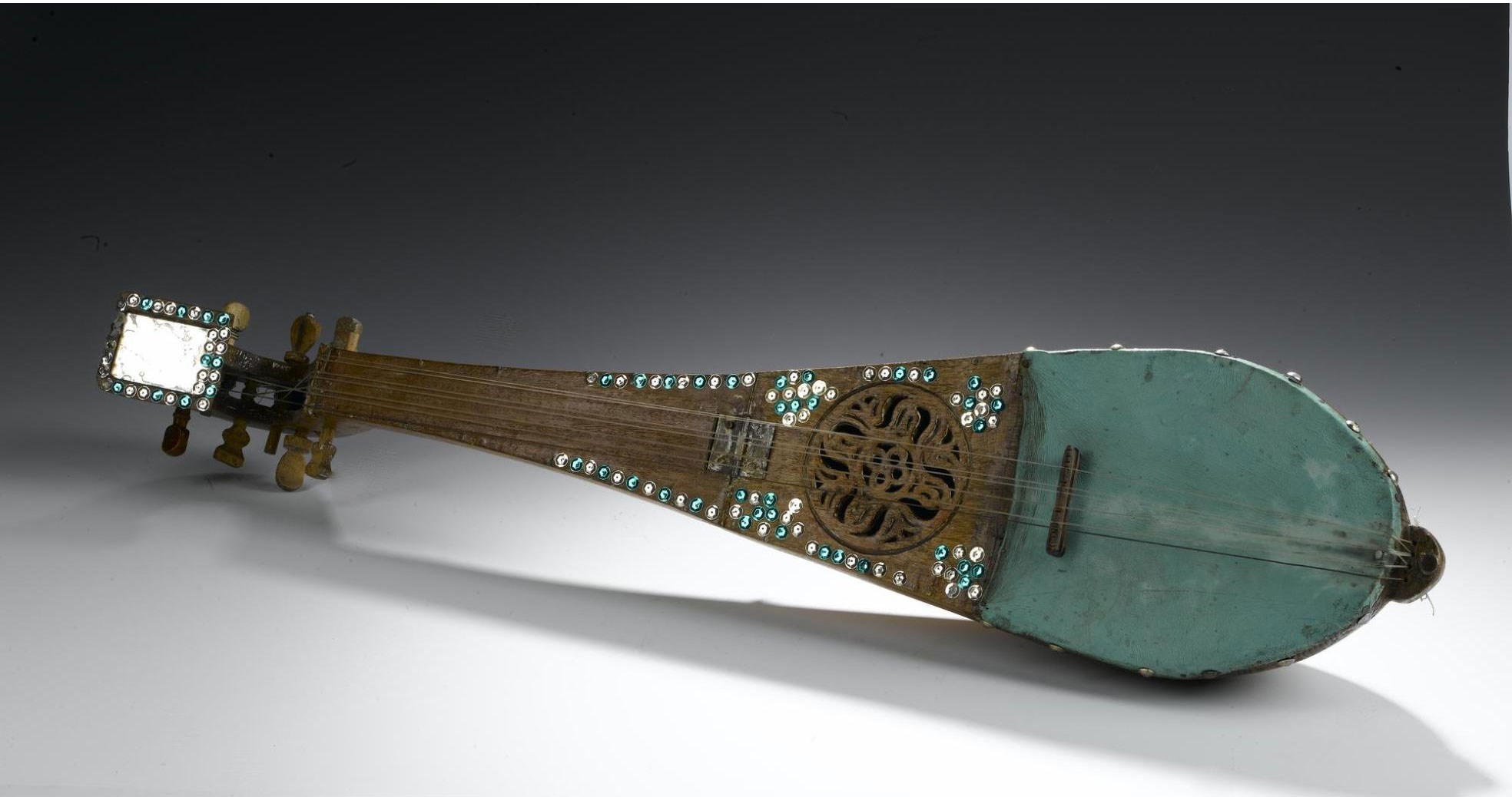
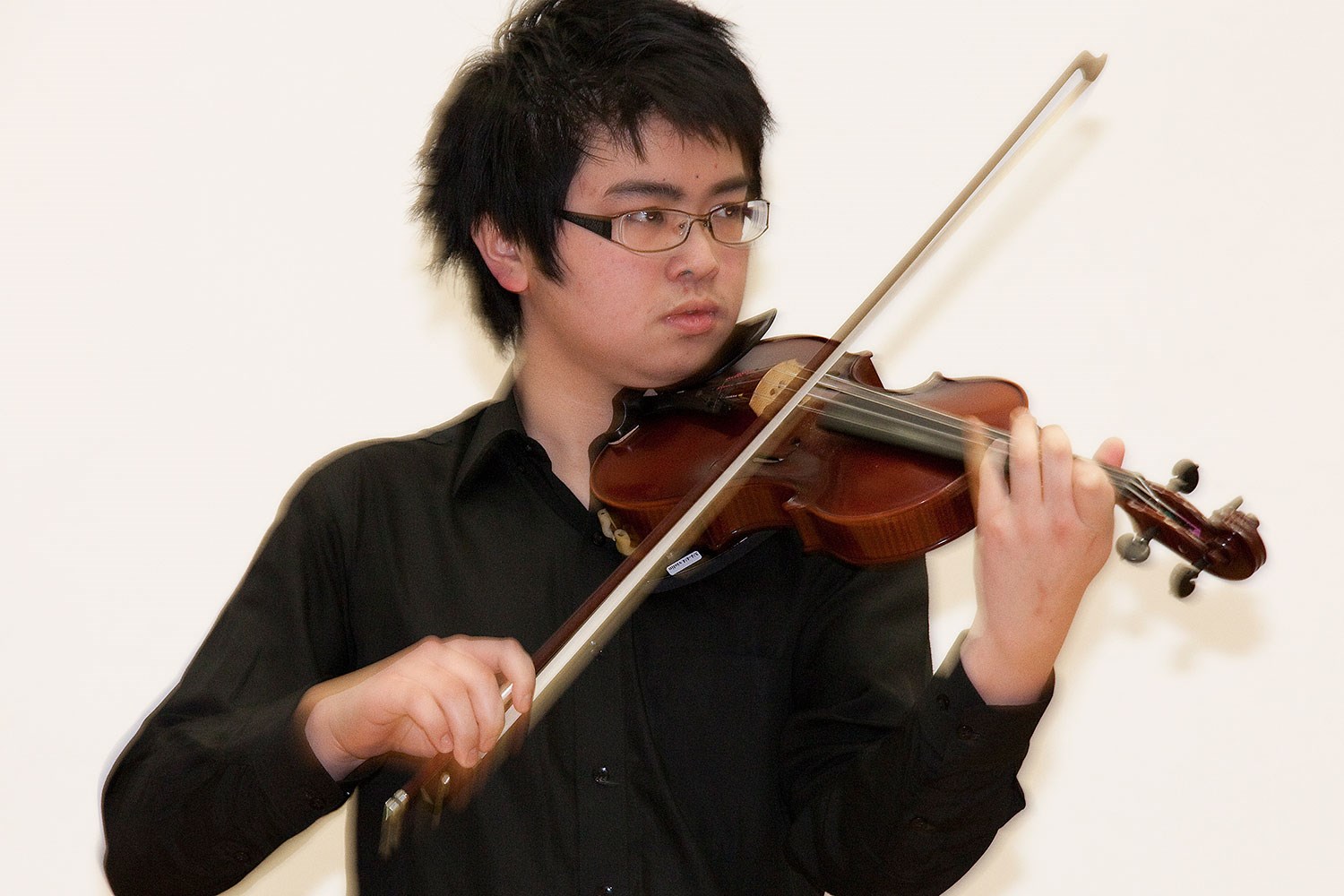
Performance and Lives celebrates the diversity of music, dance and costume around the world. Not only can you see various instruments on display, ranging from classical to folk, but also listen to recordings and play instruments specially made for the gallery by artist Victor Gama.
On Level 5, you'll find our two newest galleries, Ancient Egypt Rediscovered and Exploring East Asia.
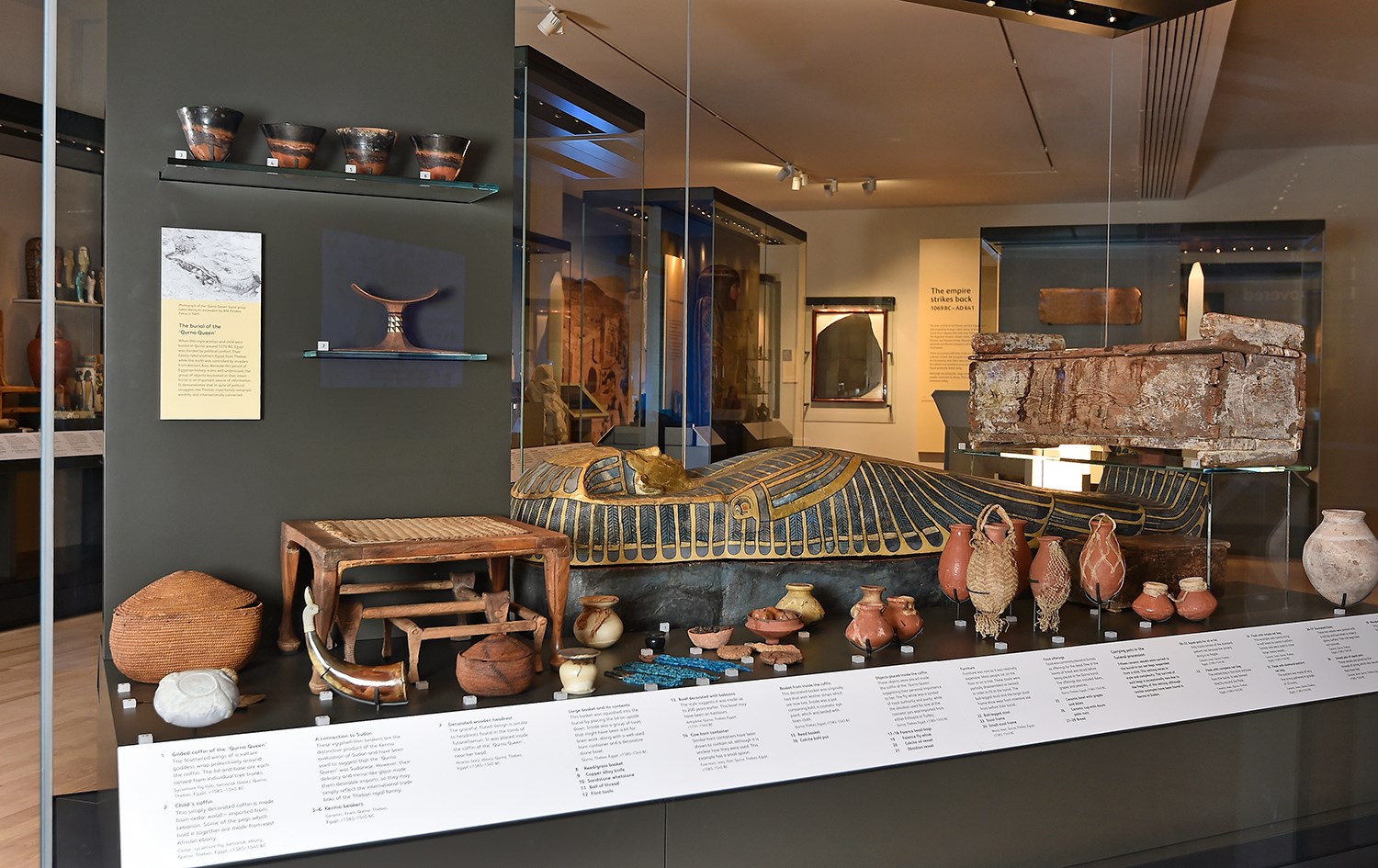
Explore artefacts in the Ancient Egypt Rediscovered gallery.
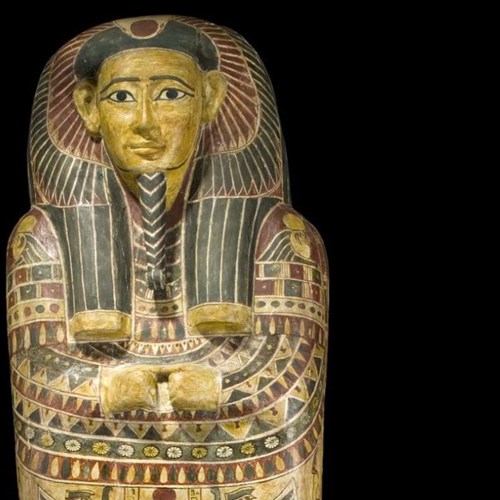
Explore the remarkable culture and achievements of the ancient Egyptians, and come face to face with individual objects and the people who made, owned, and used them, as well as the archaeologists who discovered them centuries later. Think you can build the perfect pyramid? Want to peek into the After Life or creating a name in hieroglyphs? Now's your chance with our new digital games.
Other highlights include the Qurna burial, the only intact royal burial group outside of Egypt, a gold ring said to have belonged to Queen Nefertiti and a unique double coffin of two half-brothers, Petamun and Penhorpabik.
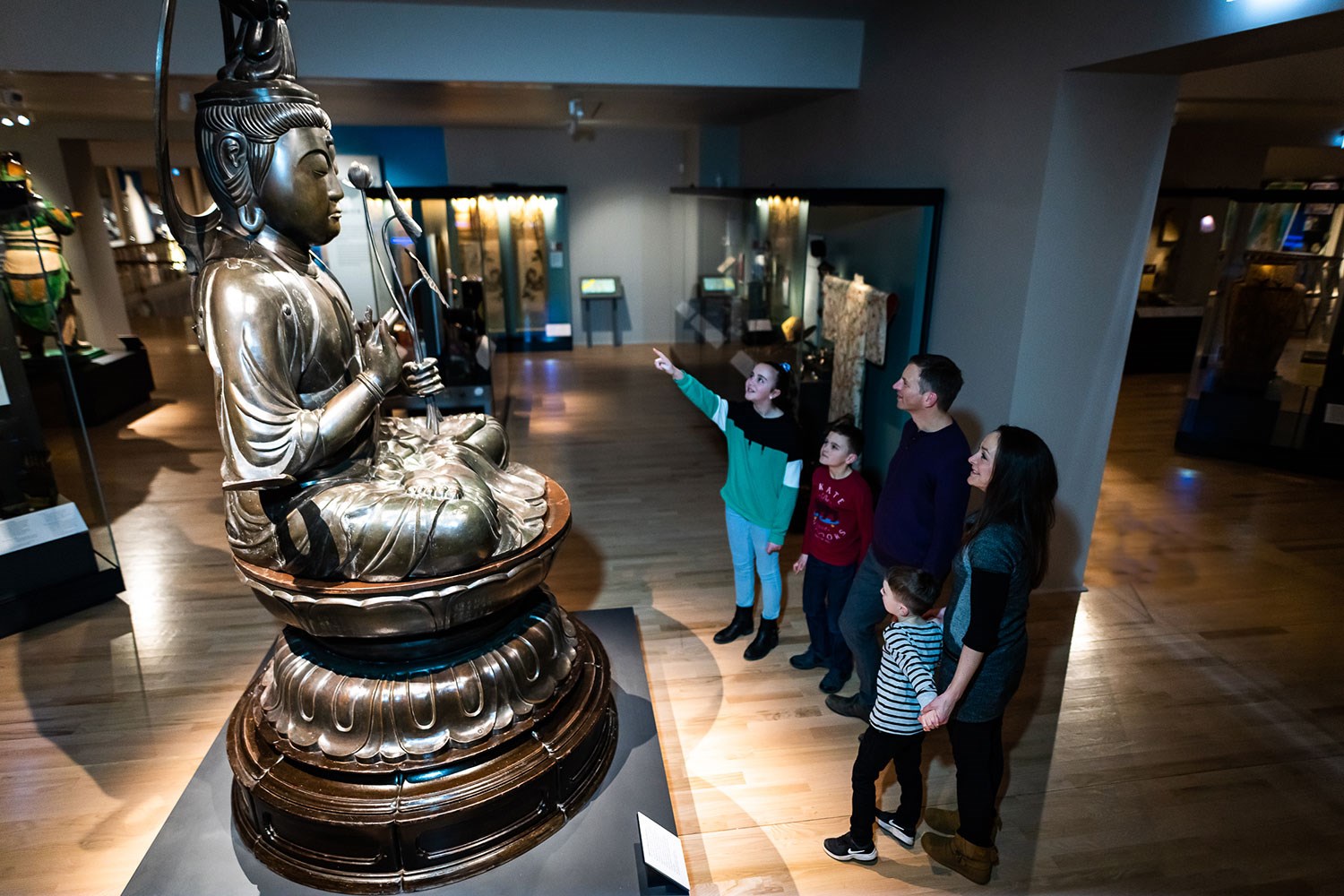
The Exploring East Asia gallery on Level 5.
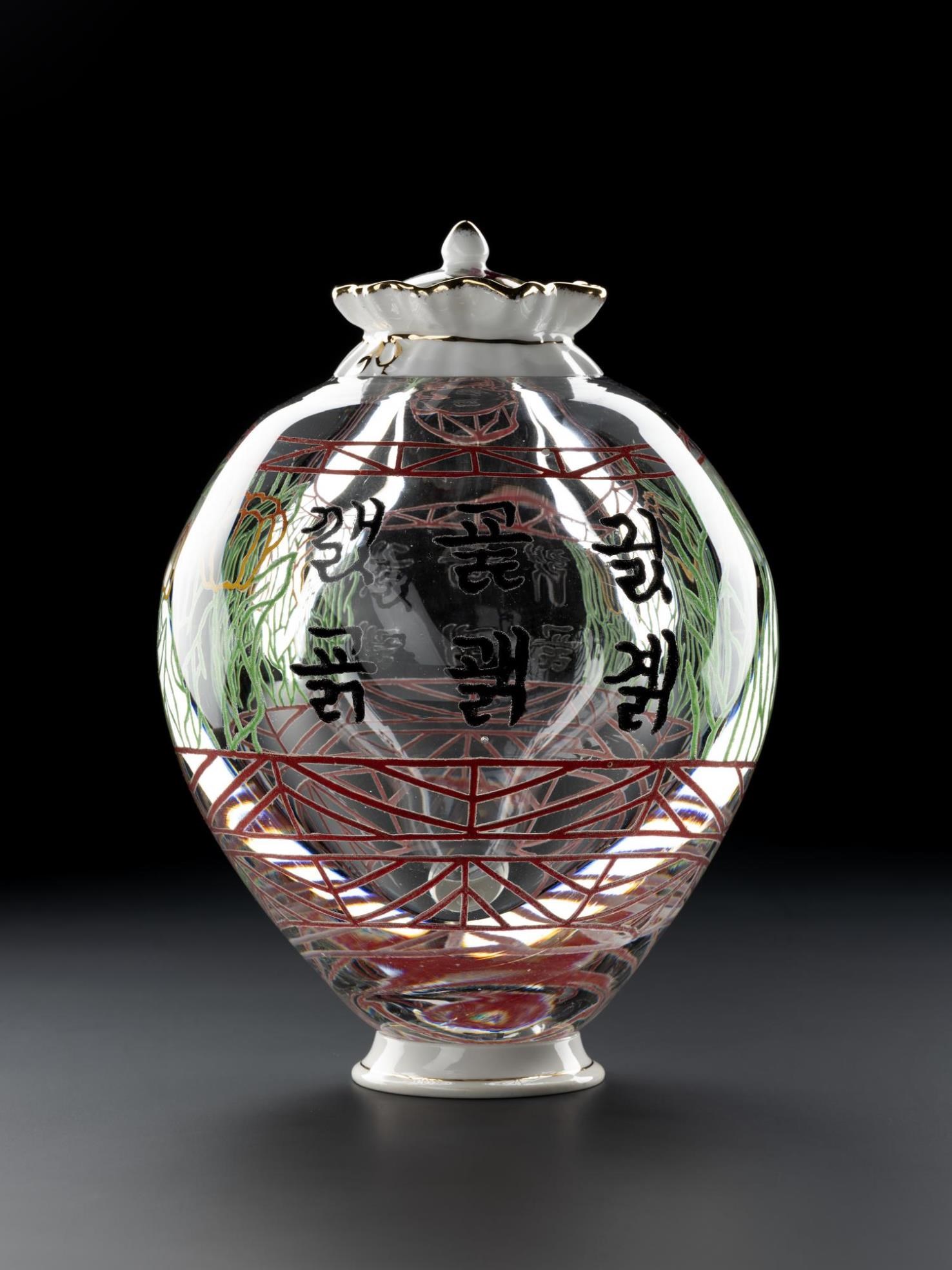
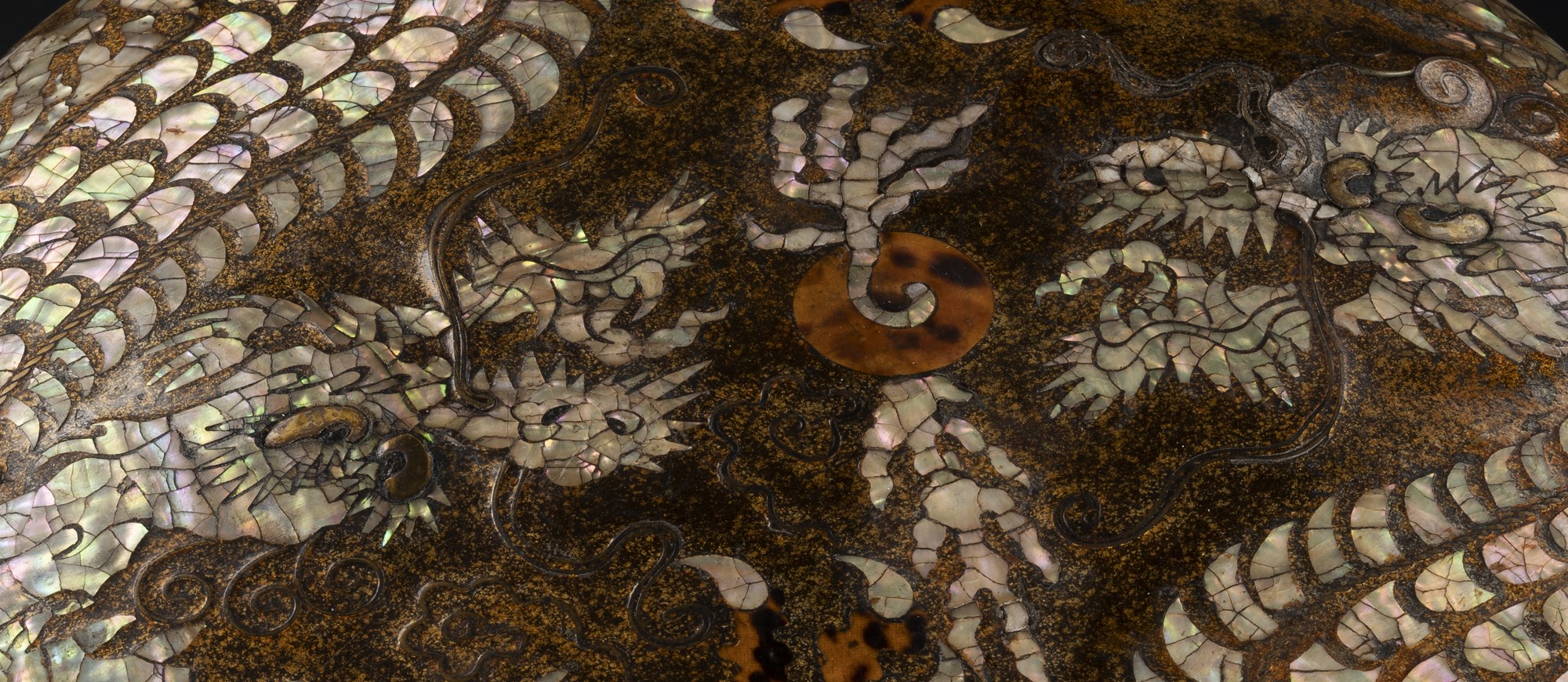
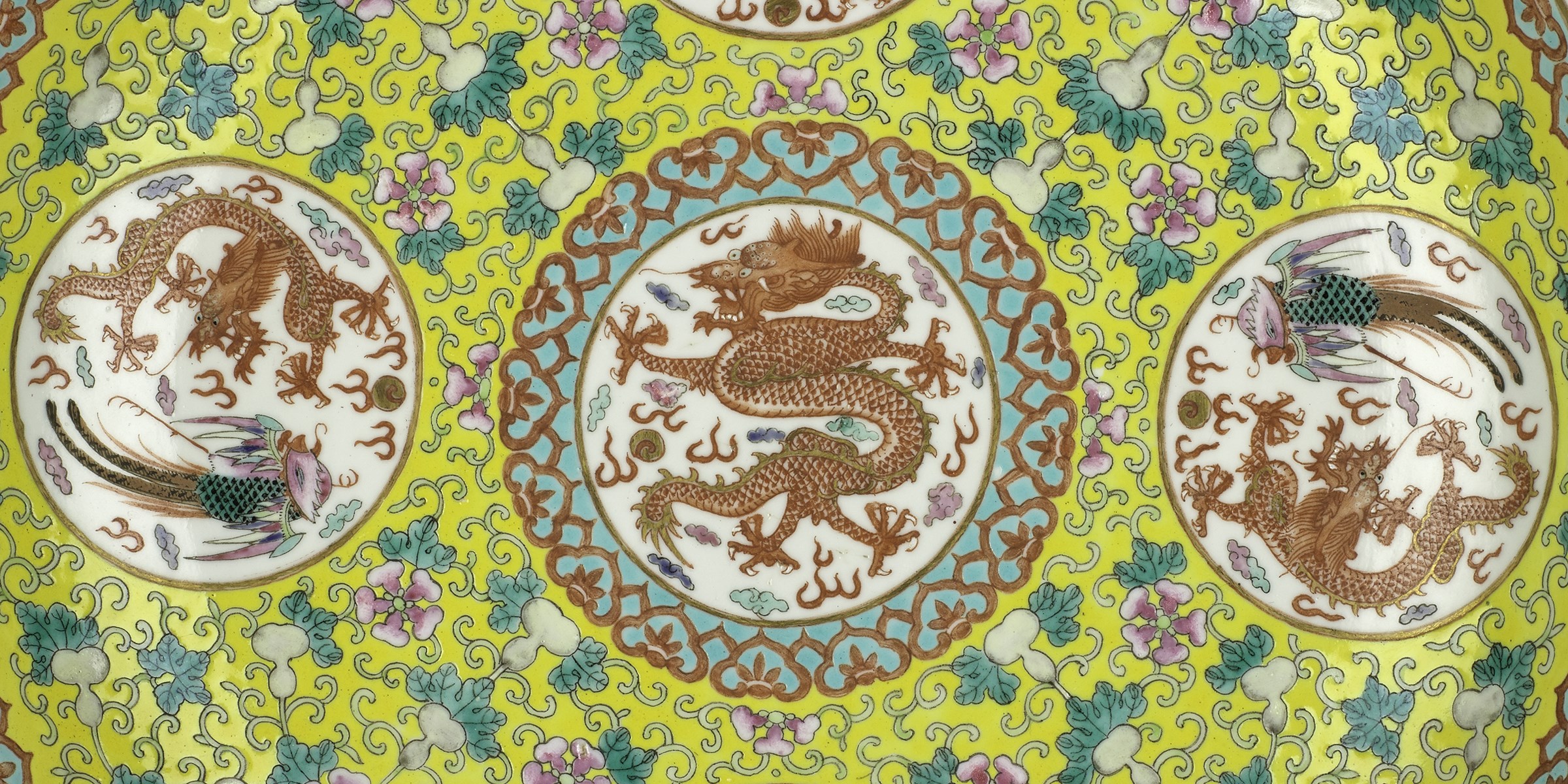
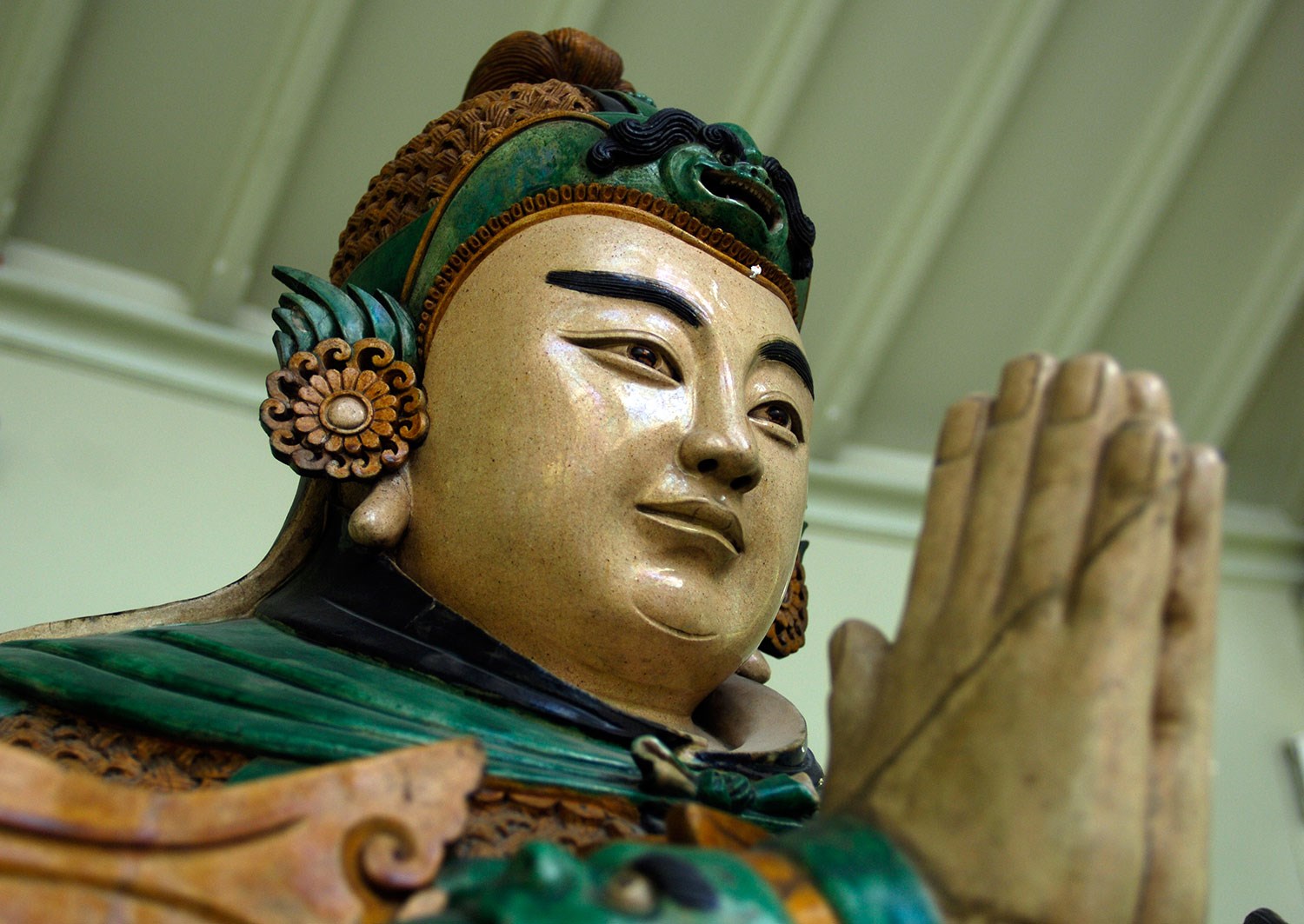
In Exploring East Asia, you can experience the sights and sounds of three fascinating and dynamic cultures: China, Japan and Korea. Among the highlights are a Chinese lacquerware rice measure from the Ming dynasty, a Japanese suit of samurai armour from the late Edo period and a rare and important early survival Korean lotus-shaped cup and stand from the 13th century. You can even try your hand at writing Chinese characters in our interactive game.
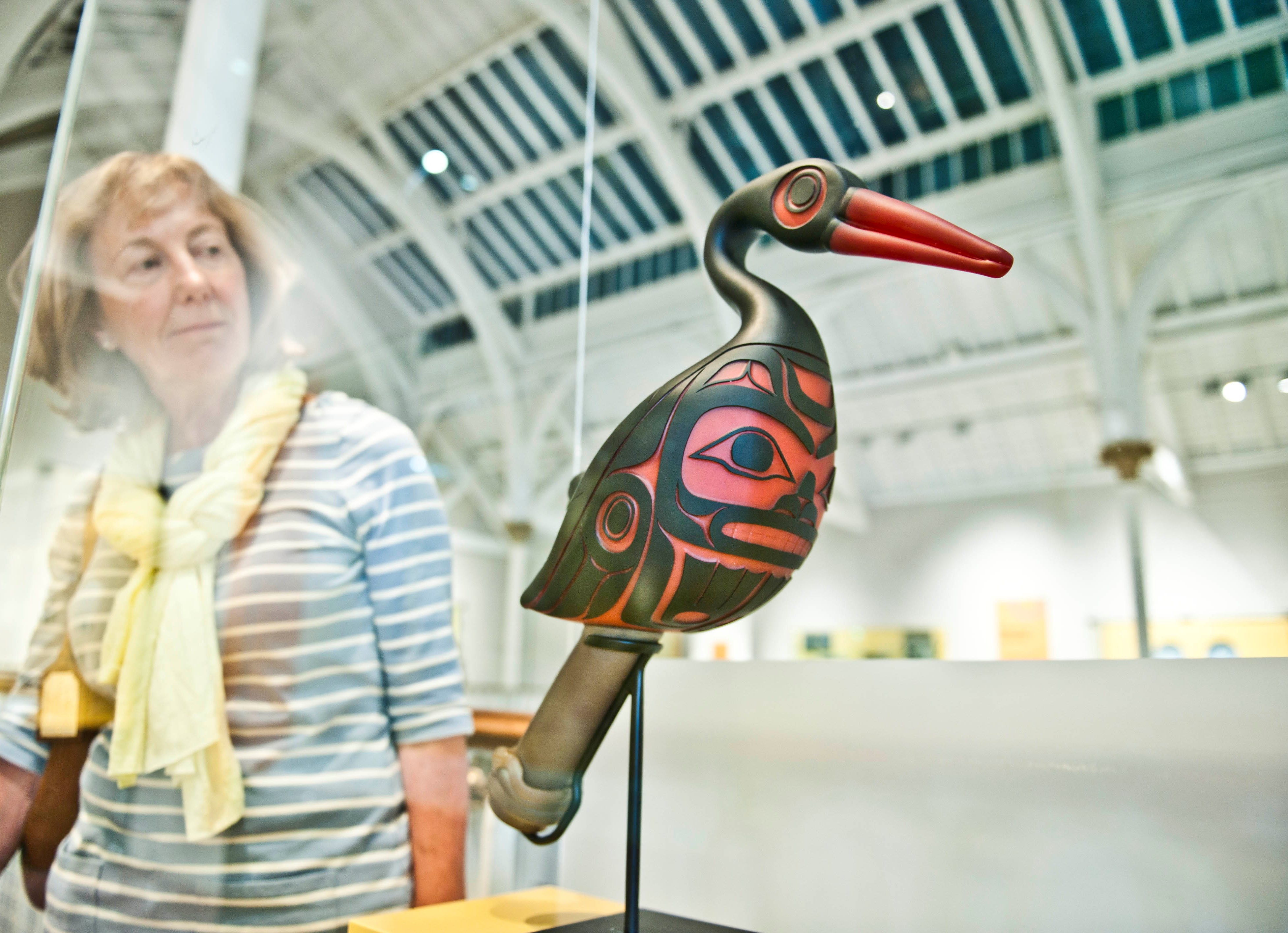
Trance by Preston Singletary in the Artistic Legacies gallery.
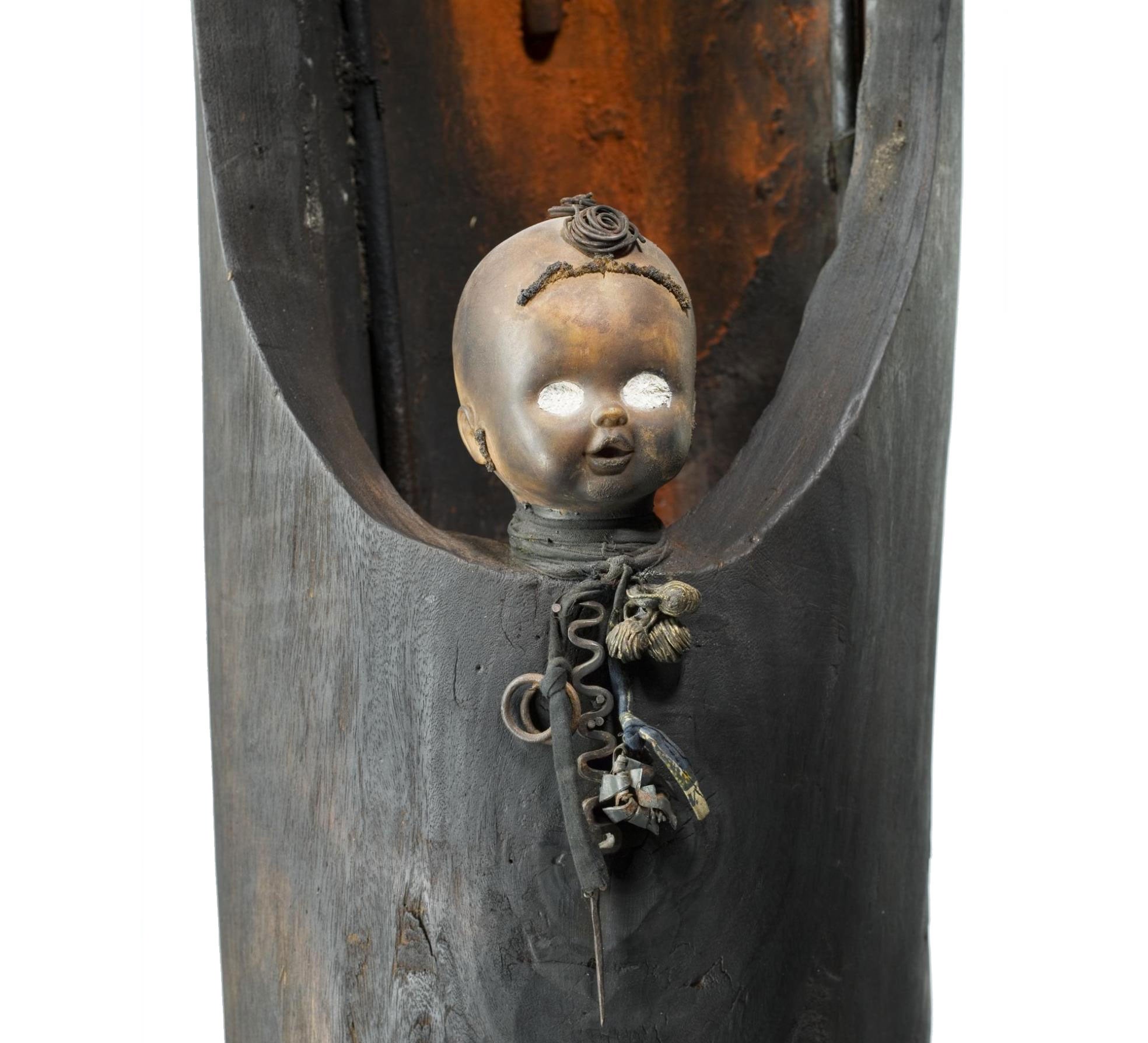
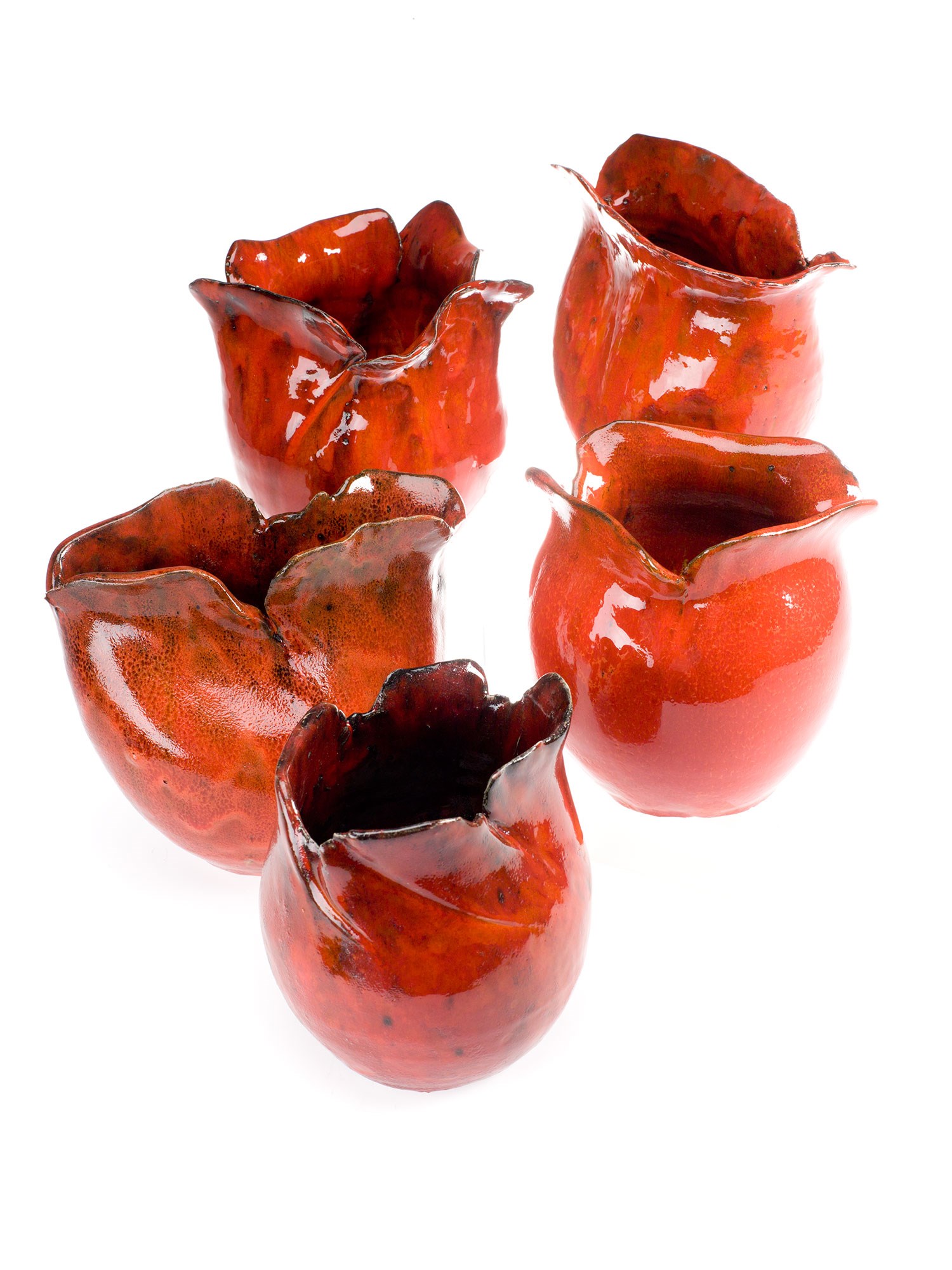
Also on Level 5, Artistic Legacies illuminates the relationship between artistic traditions and the work of contemporary artists, exemplified by African artist Gérard Quenum’s arresting sculpture L’Ange. Next door, Inspired by Nature examines the ways in which humanity has engaged emotionally, spiritually, religiously and culturally with nature through art. Don’t miss the elegant, evocative poppies by contemporary sculptor Maryam Salour.