Medieval Archaeology and History
Our collections of Medieval Archaeology and History cover the material evidence of a crucial thousand-year period from the fifth to the fifteenth century AD through a range of archaeological finds and assemblages that are unrivaled in strength and diversity for representing Scotland and its place in the world.
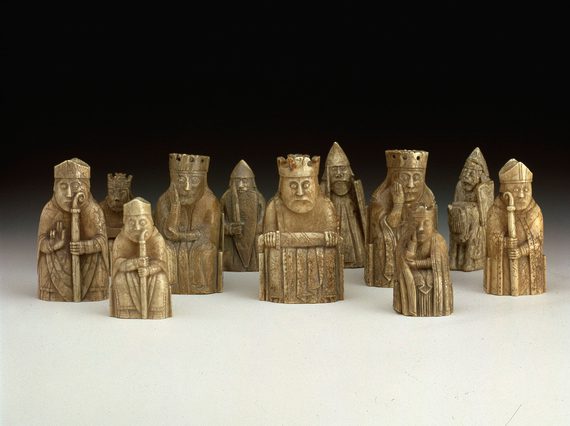
Long-lived sites occupied for many centuries can provide evidence for everyday life, while novel sites such as monasteries tell us about new ways of thinking about the world through the advent of Christianity. Gold and silver hoards, or the iconic Lewis Chess-pieces capture more unusual moments in time through spectacular material. The collection covers the high-point of Celtic art (Ultimate La Tene) including some of the most accomplished stone sculpture on Early Christian monuments in Europe, the largest collection of Viking-age grave assemblages outside of Scandinavia and the High Medieval period when Scotland first emerged into history as a kingdom with a distinct national identity.
The Medieval Archaeology and History section facilitates activities, access, loans and research partnerships, producing exhibitions, books and multi-media presentations of new ideas and information about this formative period in Scottish history.
Meet the team
Medieval Archaeology and History stories
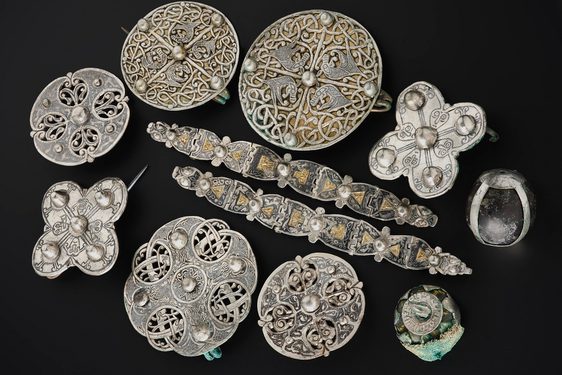
What is the Galloway Hoard?
The Galloway Hoard is the richest collection of rare and unique Viking-age objects ever found in Britain or Ireland.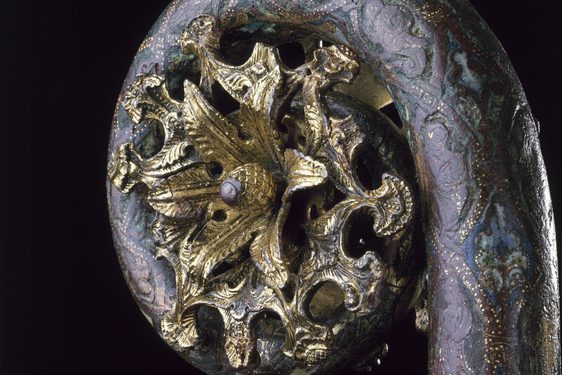
Piecing together the graves of medieval Whithorn
Archaeology, History and cultures, Scotland
Medieval Christians were buried in simple shrouds without possessions. Death was seen as a journey of the soul, leaving behind earthly things. That is, except for bishops, who were sometimes buried in their full regalia.Excavations at…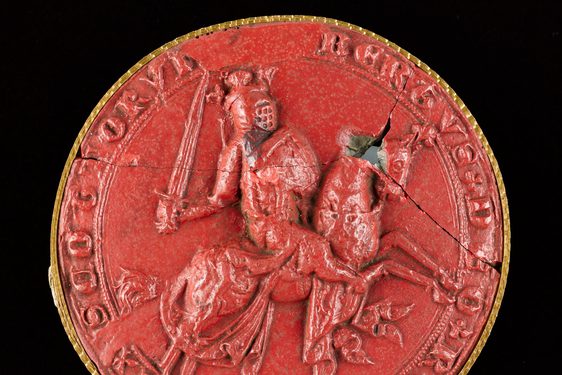
Get to know Robert the Bruce through 10 objects
History and cultures, Scotland
Robert I, also known as Robert the Bruce, was king of Scots from 1306 to 1329. The first in a new royal line, Bruce gained the throne by controversial and violent means. As king, he needed to establish his legitimacy and Scotland’s…