
Prehistoric and Roman Archaeology
Our Prehistoric and Roman Archaeology collections include archaeological collections from the first human settlement of Europe during the Palaeolithic up to the end of the Roman period.
Over this vast time-frame and sizeable collection, our focus is on Scotland set within a European context. Highlights include the finds from the famous Neolithic village of Skara Brae on Orkney, a wealth of Bronze Age gold jewellery, the fabulous pony cap from Torrs decorated with Celtic art, and rich remains of the Roman occupation of Scotland such as magnificent helmets with face masks. Our wide-ranging research includes the material culture of prehistory, the puzzling habit of hoarding valued items, the effect of culture contacts such as the Roman invasion, and the history of archaeology.
The section also houses the museum’s commercial post-excavation service, providing specialist analysis and reporting of artefacts found on excavations across Scotland and beyond.
Meet the team


Prehistoric and Roman Archaeology stories
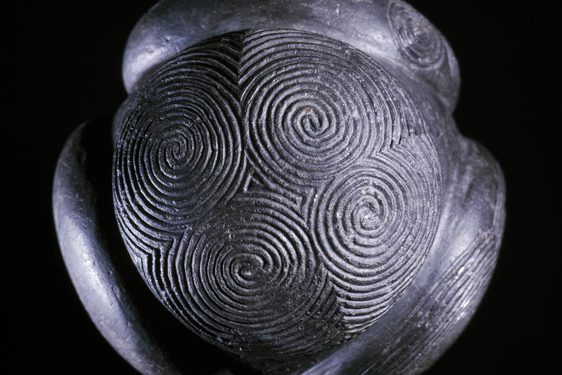
Towie ball: A Neolithic status symbol
Archaeology, History and cultures, Scotland
This beautiful carved stone ball was found in Aberdeenshire. People have long wondered about what it was and how it was used, but it had clearly been a precious possession and a symbol of power.It is Neolithic, and dates back over 5000…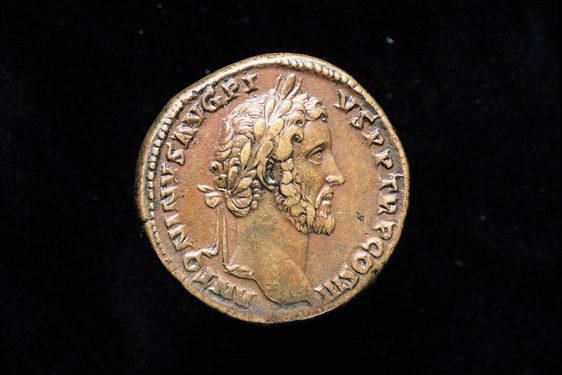
A brief history of Roman Scotland
Archaeology, History and cultures, Scotland
Many people think that Hadrian’s Wall marks the limit of the Roman Empire, but the Roman world stretched much further north than that. For almost 400 years, much of what is now Scotland was either inside the empire or an uncomfortably…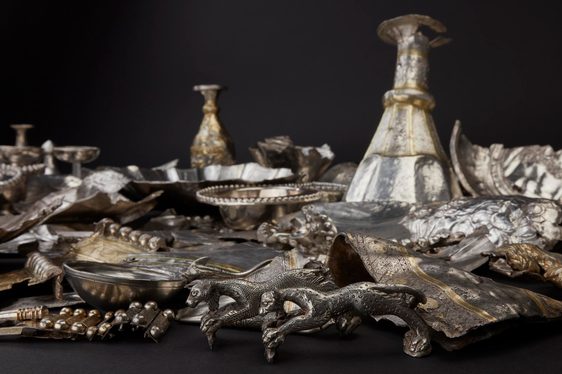
Romans in Scotland: Major archaeological sites
History and cultures, Scotland
Archaeological finds from Rome's invasions of Scotland can be found throughout the country, from the Solway Firth to Shetland. The most prominent sites, however, are in southern Scotland, including Trimontium, the Antonine Wall and…