Material Encounters
Reassessing military collecting in North America and Tibet.
The British Academy/Leverhulme Trust project surveyed and assessed the interpretive potential of military collections by conducting a pilot study of two British military campaigns that bookend the period of high imperialism: the Seven Years' War in North America (1754-63) and the Younghusband Mission to Tibet (1903-04).
From March to August 2014 Research Assistant Rosanna Nicolson (née Blakely) contacted 28 regimental and corps museums and visited nine across the UK. Rosanna reviewed objects on display and in store, including mess silver collections, photographic collections, diaries and correspondence, regimental magazines and journals, and archival information about objects no longer in the collection.
Despite the relative rarity of objects from the Seven Years’ War, surveyed objects further demonstrated that material brought back to this country reflected co-operative and supply relationships with indigenous people, thereby challenging the more obvious assumptions about military collecting in relation to looting and souvenir-hunting. Similar complexities emerged from our assessment of objects brought back from Tibet, a campaign associated with the inordinate appropriation of objects.
All findings were collated in a catalogue, consisting of a ‘Collections Level Description’ description and more detailed individual records for each participating museums, enhanced by photographs. This has been distributed to all participating museums.
Research Assistant – Rosanna Nicolson (née Blakely), Department of World Cultures, National Museums Scotland
Download catalogue PDFs
- Black Watch Museum and Castle, Perth: Collections Level Description
- Black Watch Museum and Castle, Perth: Individual Records
- Firepower! Royal Artillery Museum, Woolwich: Collections Level Description
- Firepower! Royal Artillery Museum, Woolwich: Individual Records
- Fusilier Museum, Tower of London: Collections Level Description
- Fusilier Museum, Tower of London: Individual Records
- Gurkha Museum, Winchester: Collections Level Description
- Gurkha Museum, Winchester: Individual Records
- Royal Norfolk Regiment Collection, Norwich Castle: Collections Level Description
- Royal Norfolk Regiment Collection, Norwich Castle: Individual Records
- Redoubt Fortress Military Museum, Eastbourne: Collections Level Description
- Redoubt Fortress Military Museum, Eastbourne: Individual Records
- Royal Engineers Museum, Library and Archive, Gillingham, Kent: Collections Level Description
- Royal Engineers Museum, Library and Archive, Gillingham, Kent: Individual Records
- The Royal Green Jackets (Rifles) Museum, Winchester: Collections Level Description
- The Royal Green Jackets (Rifles) Museum, Winchester: Individual Records
- Royal Ulster Rifles Museum, Belfast: Collections Level Description
- Royal Ulster Rifles Museum, Belfast: Individual Records
Image gallery
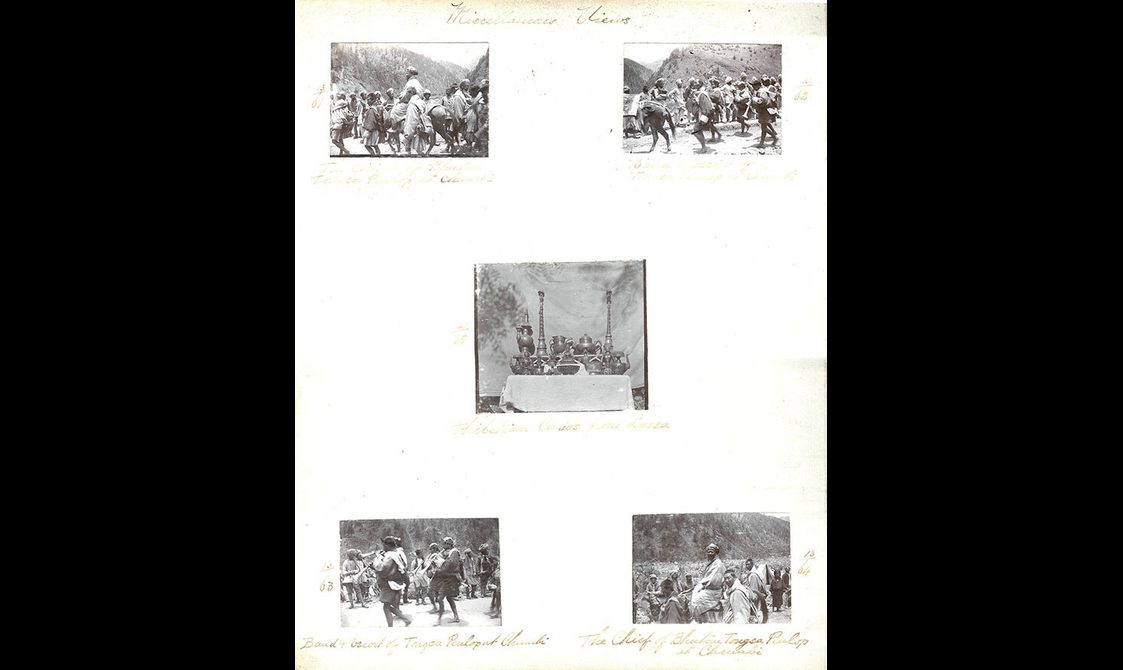
Original caption of central image: ‘Thibetan curios from Lhassa’ from 1st Battalion Royal Irish Rifles regimental album ‘Views from Thibet’. 1904 © Royal Ulster Rifles Museum.
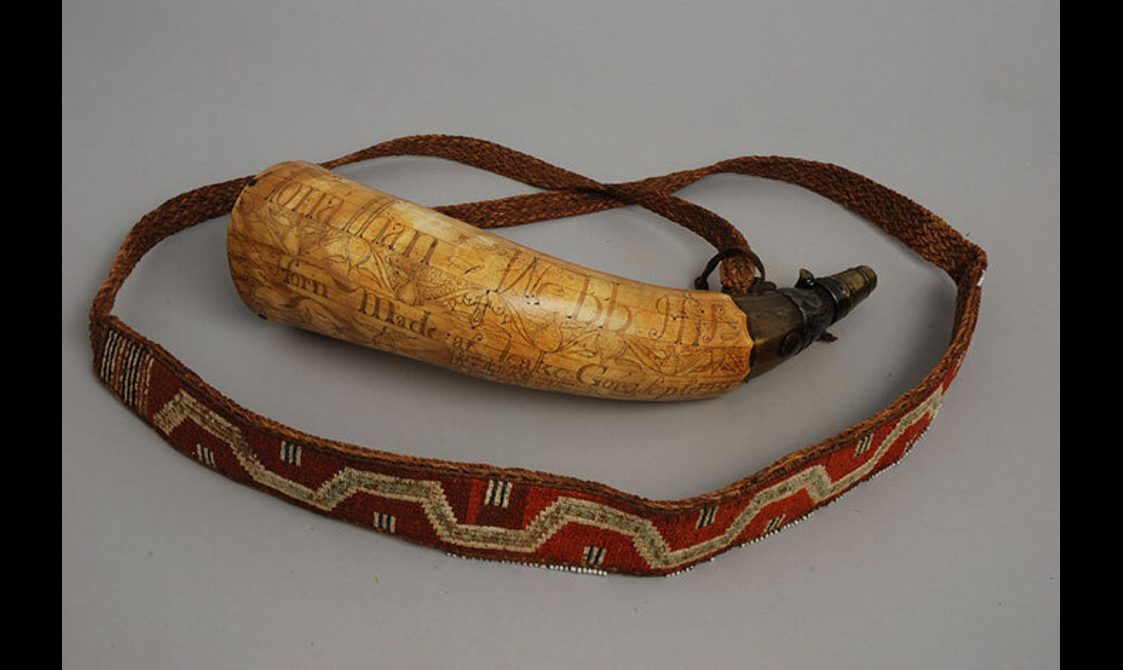
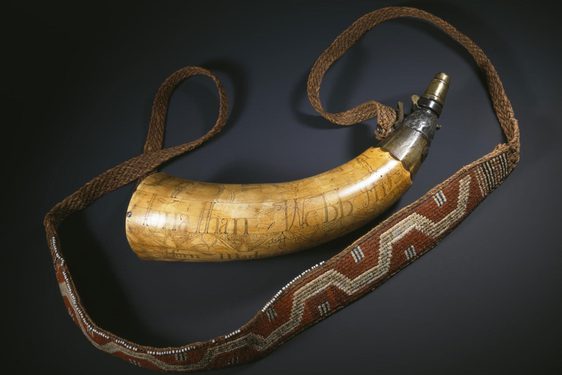
Powder horn inscribed with names James Cameron of 42nd Highland Regiment (Black Watch) and Jonathan Webb, dated 1758. The strap, adapted from a burden strap (or tumpline) of vegetal fibre and moosehair false embroidery is of the type known to be supplied to the regiment for tying blanket roles. Burden straps are Iroquois and Huron in manufacture. (M.1931.581)
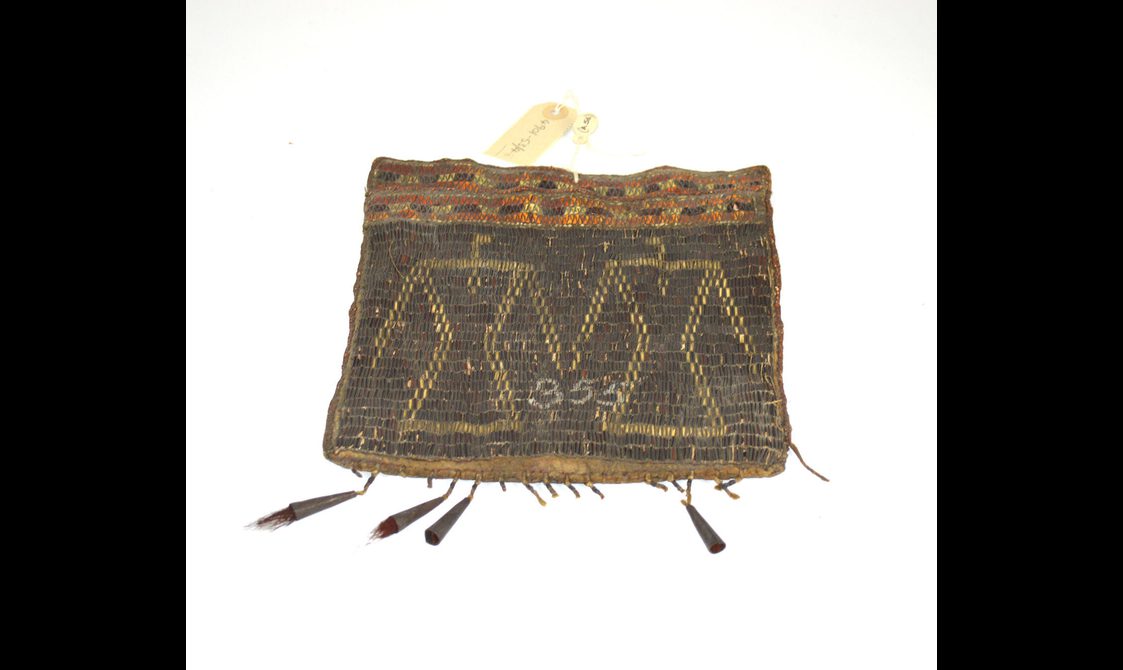
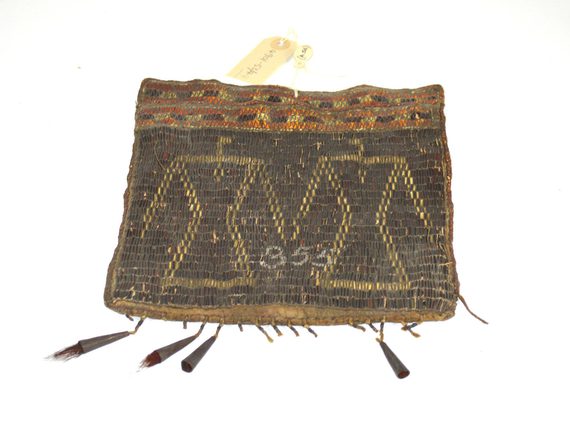
Algonquian bag decorated with porcupine quillwork of double thunderbird design, late 18th-mid 19th century. The number 355 may relate to numbers used in the model room, which comprised of the earliest collections in what is now the Royal Engineers Museum. This bag was mistakenly associated with South African collections until the 1990s. © Royal Engineers Museum, Library and Archive.
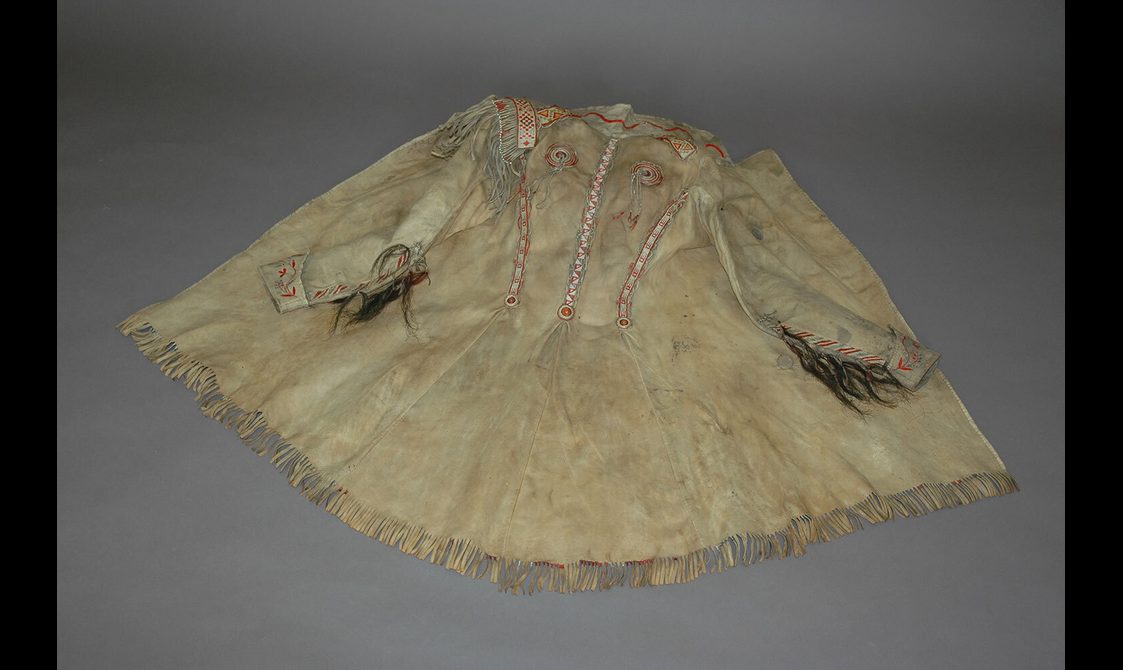
Tailored moose skin coat with multi-coloured geometric and floral quillwork presented by Captain Hampden Clement Blamire Moody who served in Canada from 1840-1848, mainly at Fort Garry (Winnipeg), the Hudson’s Bay Company trading post. © Royal Engineers Museum, Library and Archive.
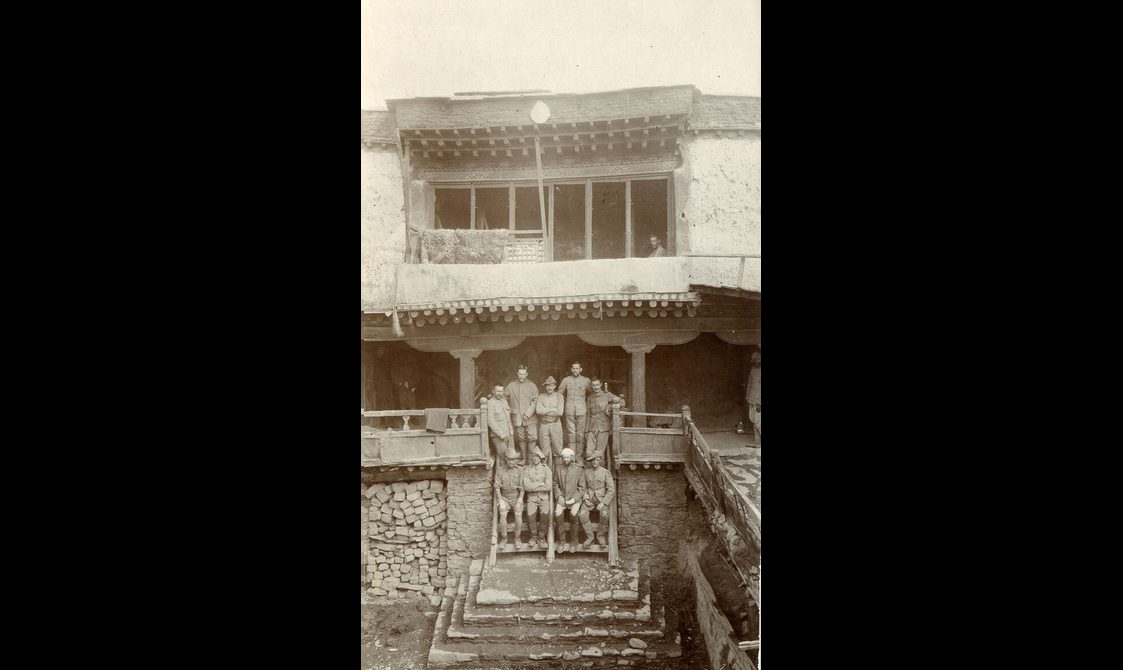
Photograph taken at Gyantse, Tibet, by Lieutenant J.C. Bowen-Colthurst, 1st Battalion Royal Irish Rifles, 1904. © Royal Ulster Rifles Museum.
Supported by

With thanks to all the museums who participated including The Fusilier Museum, Tower of London Royal Green Jackets (Rifles) Museum, Winchester; Gurkha Museum, Winchester; Black Watch Castle and Museum, Perth; Royal Engineers Museum, Library and Archive, Gillingham, Kent; Royal Norfolk Regiment Collection, Norwich Castle; Royal Norfolk Regiment Collection, Norwich Castle; Royal Ulster Rifles Museum, Belfast; FIREPOWER! Royal Artillery Museum, Woolwich; Redoubt Fortress Military Museum, Eastbourne and Royal Sussex Regimental Archives, West Sussex County Records Office, Chichester.
Related to this project

You may be interested in
Bog Born: 12 objects from Scottish peatlands
Written by Dr Sarah Laurenson, Dr Fraser MacDonald, Dr Matthew Knight, Dr Anna Groundwater & Dr Martin GoldbergPeat bogs have been central to Scotland’s landscapes and communities for thousands of years. They are dynamic environments that grow and move, erode and entomb.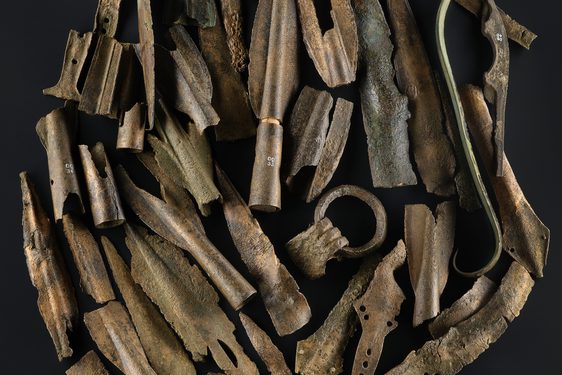
Sacrifice or scrap? The Bronze Age weapons from Duddingston Loch
Archaeology
Written by Dr Matthew KnightWhy was a 3000-year-old hoard of objects deliberately destroyed and sunk into a loch in Edinburgh?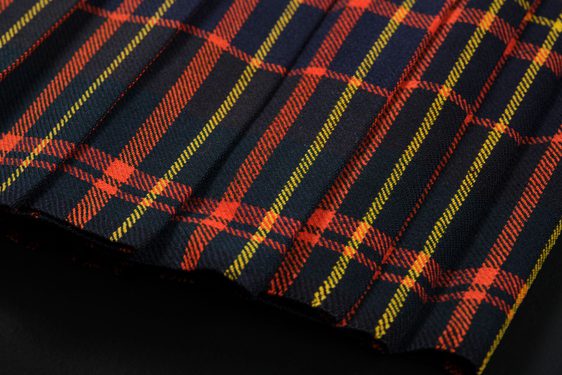
The Second World War and the end of kilts on the battlefield
Scotland
Written by Dr Julie HolderOn 1 June 1940, the last remnants of the 1st Battalion Queen’s Own Cameron Highlanders were evacuated from Dunkirk. By the time the Battalion reformed in Yorkshire, there were only around 150 men left of nearly 700. And yet, as these…