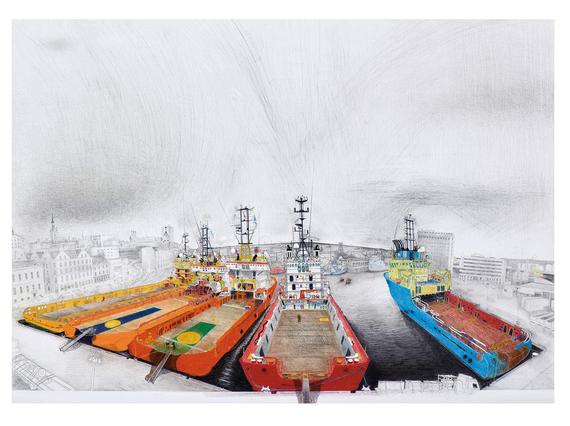
About Age of Oil
Exploring the people and places of Scotland’s offshore energy industry, this contemporary art exhibition showcased the work of visual artist Sue Jane Taylor who has worked in some of the most remote and challenging environments in Scotland.
This multimedia exhibition brought a unique perspective to the relationship between art, environment and industry while revealing an alien way of life on board a North Sea oil platform.
Linking closely to themes introduced in the Energise gallery, this exhibition considered the future of energy in Scotland and the challenges of removing a structure the size of the Eiffel Tower from the middle of the North Sea from the artist’s perspective.
An Age of Oil publication featuring Sue Jane Taylor's works and diary extracts is available to buy from the Museum shop.
Exhibition highlights
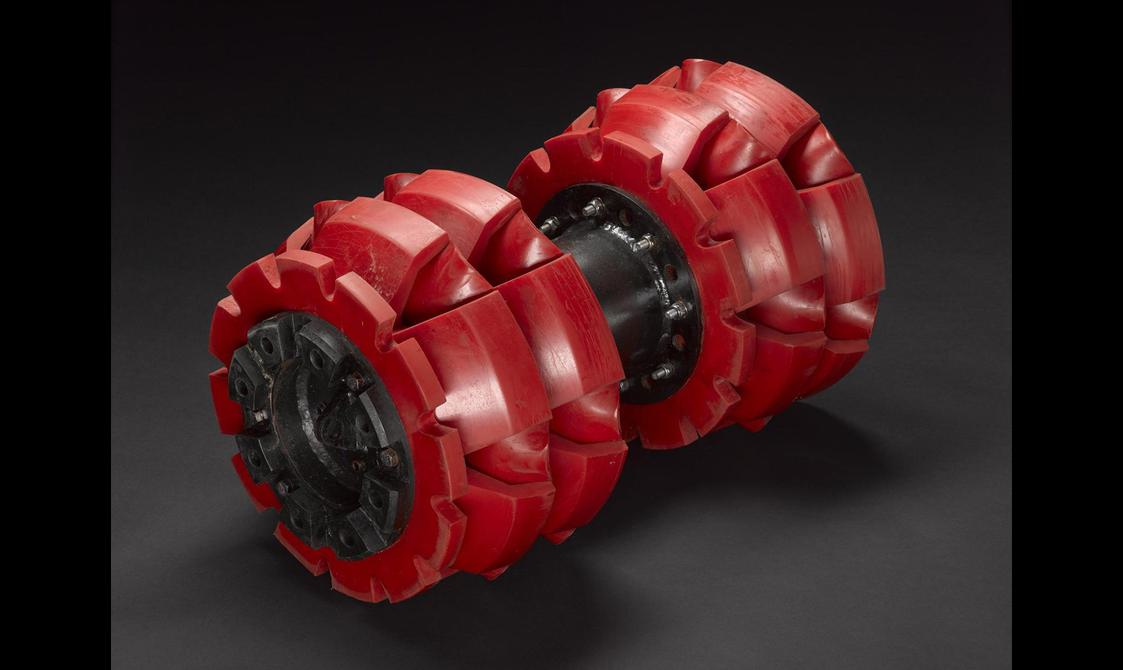
Pipeline pig designed to clean soft debris from oil pipes, used, from the Murchison oil platform by Canadian Natural Resources International (CNRI), UK, c. 2014.
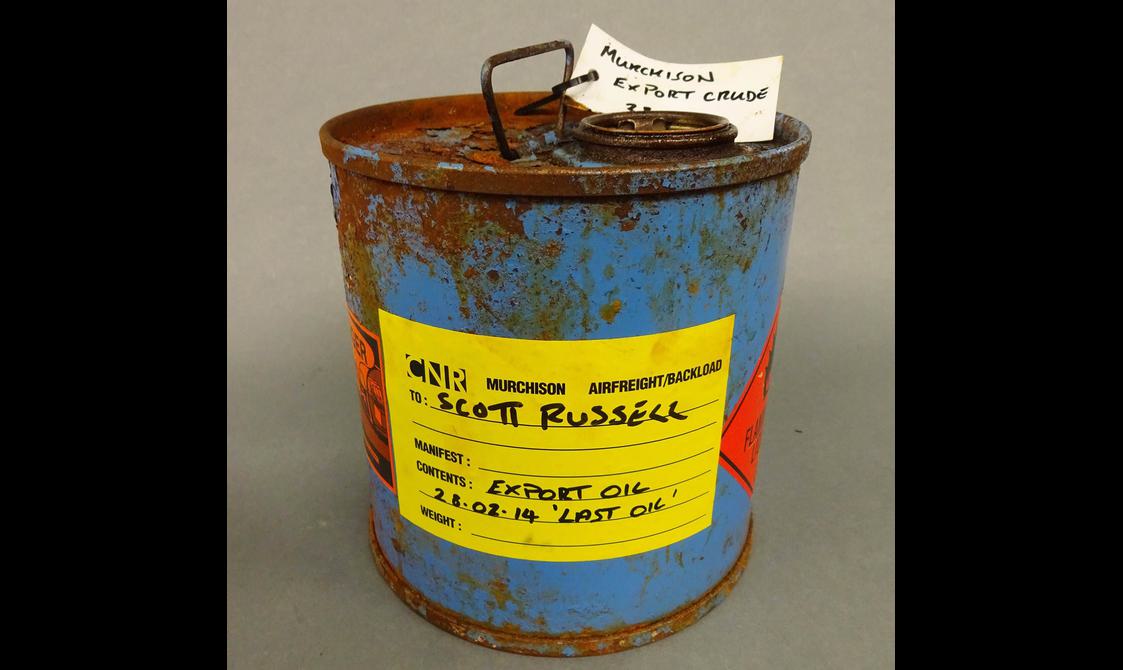
Canister of crude oil
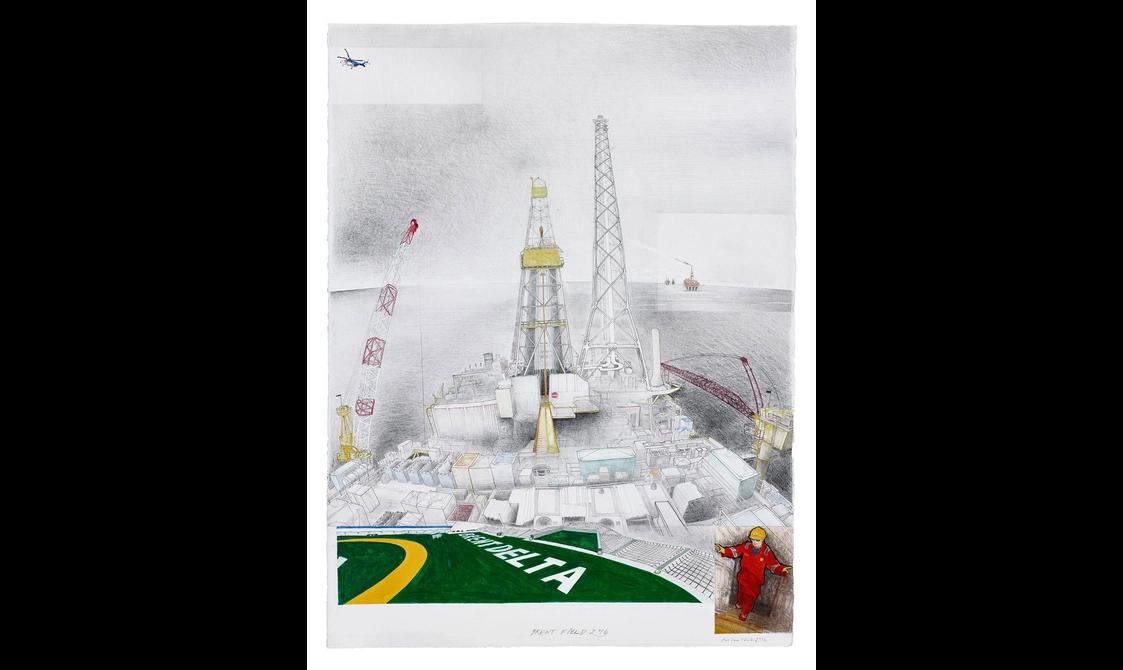
The Brent Field by Sue Jane Taylor.
About the artist
Sue Jane Taylor has spent over thirty years recording the lives of workers in the North Sea oil and gas industry. Her work extends to cover the offshore renewable energy industry, where she has followed developments from fabrication to installation. Taylor has exhibited, carried out public commissions and held artist-residencies nationally and internationally. These images are a selection of Sue Jane Taylor's work from projects she has undertaken over the last ten years.
You might also like
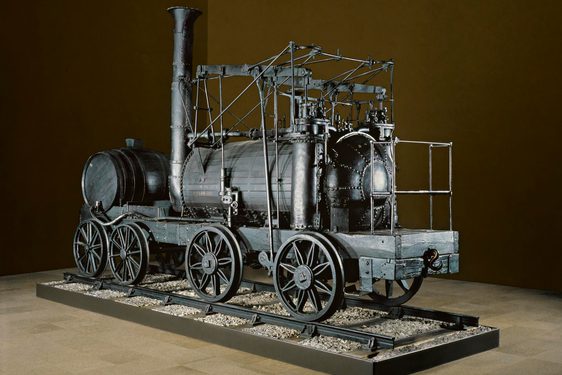
Wylam Dilly: One of the world's oldest locomotives
Science and technology
Wylam Dilly is one of the world’s two oldest surviving locomotives. Built in 1813, it used to pull coal along the Wylam Wagonway to the river, near Newcastle upon Tyne.The Wylam Dilly steam locomotive is named after the Wylam Colliery,…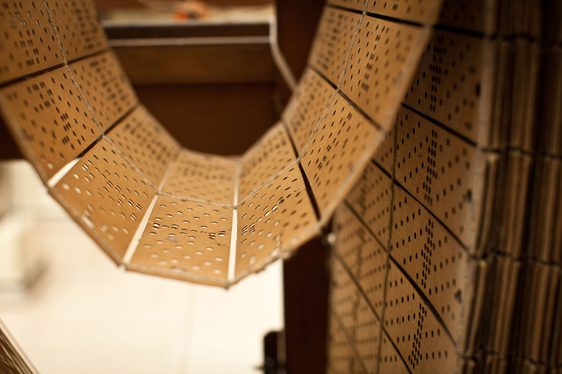
The Jacquard loom: Innovation in textiles and computing
Science and technology, Scotland
A handloom in our collection was used for weaving silk at Stonehouse in Lanarkshire in the 19th century. It has a Jacquard attachment which allows complex patterns to be woven. The punch cards used in the Jacquard mechanism laid the…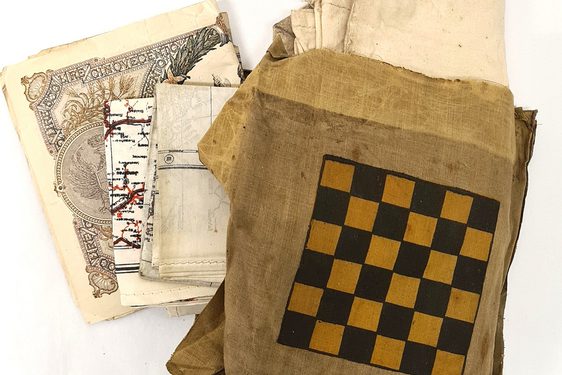
Escape and Evade: How to avoid capture in the Second World War
Science and technology
In 1939, a secret department of Military Intelligence (MI9) was formed. It employed the inventor Christopher Clayton Hutton and former magician Jasper Maskelyne. Their remit was to devise ingenious ways to smuggle maps, compasses, money…