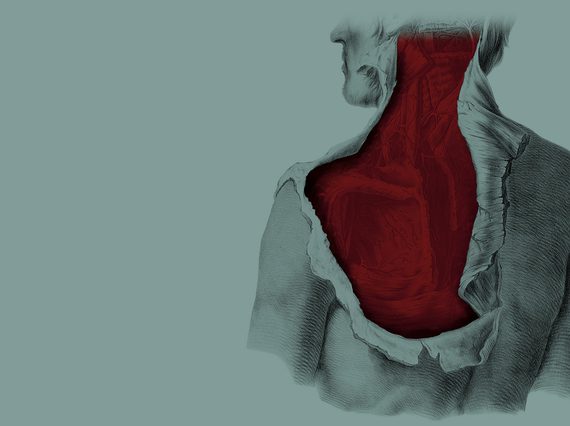
This exhibition explored the history of anatomical study, from artistic explorations by Leonardo da Vinci to the Burke and Hare murders.
"Gripping"
"...brings the whole story closer..."
"First-rate exhibition"
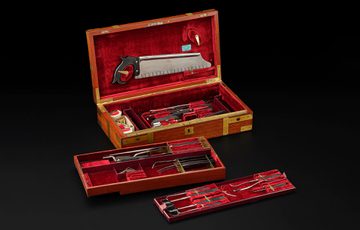
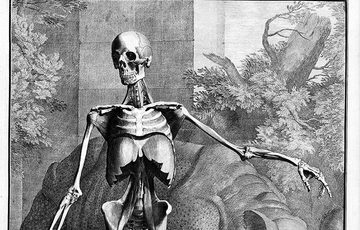
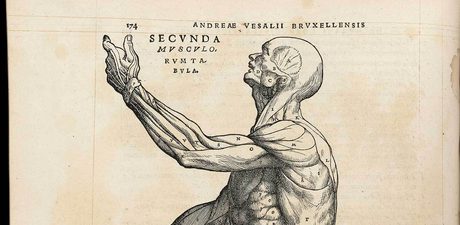
Charting 500 years of medical exploration, the exhibition considered the social and medical history surrounding the dissection of human bodies. The role anatomy played in the Enlightenment, the links between science and crime in the early 19th century, and the approaches to anatomical study today were also highlighted.
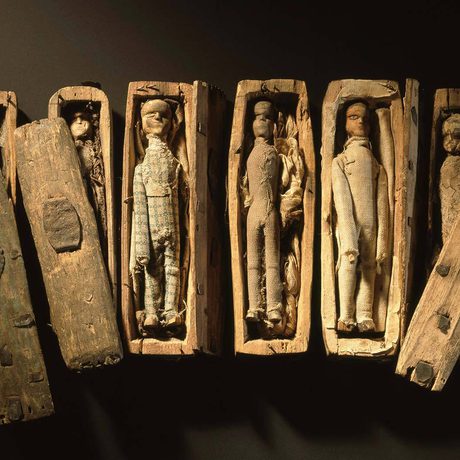
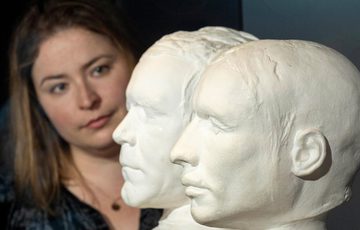
On display were early examples of anatomical art, a full-body papier-mâché model produced in the workshops of pioneering 19th century model maker Louis Auzoux, and William Burke’s skeleton and handwritten confession. National Museums Scotland’s own collections on display included a ‘mort safe’, a heavy iron box placed over a coffin to deter would-be body snatchers, and the Arthur's Seat miniature coffins.
Exhibition highlights
You might also like
Geology to Jewellery: The history and science of Cairngorm quartz
Natural world, Scotland
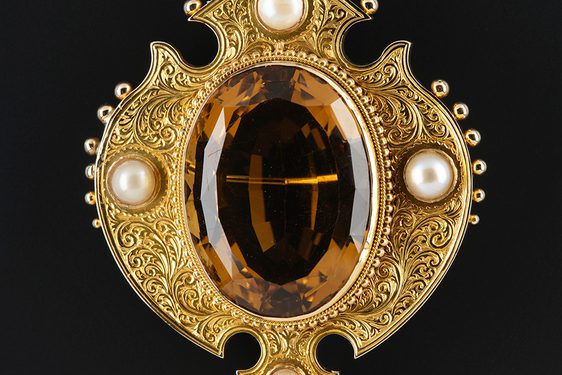
Written by Emily Brown & Dr Sarah LaurensonThere is a whole fascinating world of Scottish minerals, reflecting the large variation in the country’s geology and physical landscape.The sheer variety is expressed beautifully by John Ruskin. In 1884 he described Scotland as ‘a country…
Three tartan coats from the Georgian period
Fashion and textiles, Scotland
From military style jackets to informal housecoats, three tartan coats in our collection demonstrate the range of styles and uses of these garments in Georgian Britain.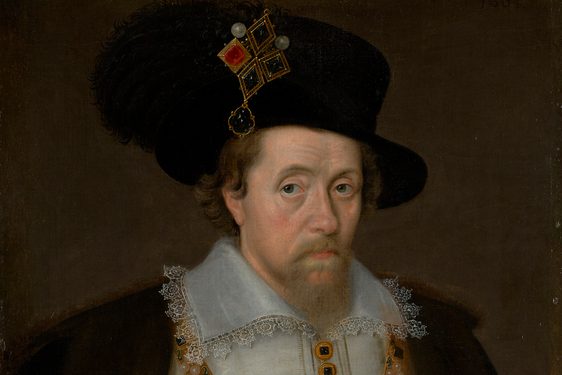
A brief history of James VI and I
History and cultures, Scotland
James VI and I was a hugely significant Stewart king. But he has been overshadowed by his notorious relations. His predecessor in Scotland was his mother, Mary, Queen of Scots. In England, his cousin, Elizabeth I, and finally his successor…