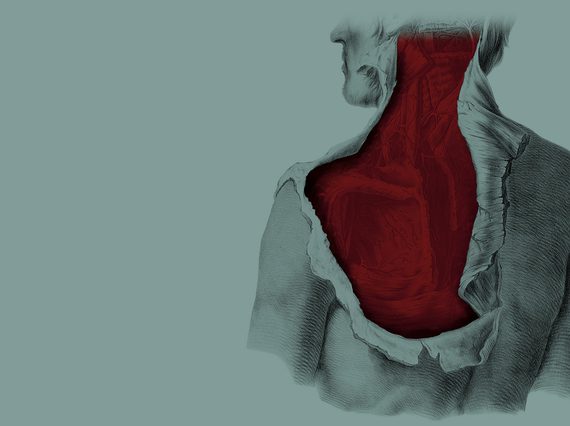
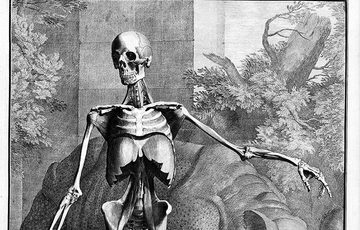
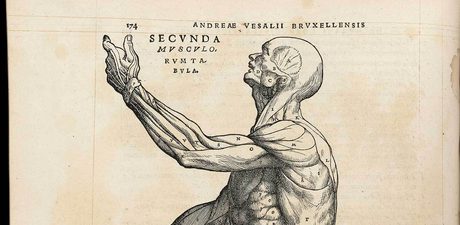
This exhibition explored the history of anatomical study, from artistic explorations by Leonardo da Vinci to the Burke and Hare murders.
"Gripping"
"...brings the whole story closer..."
"First-rate exhibition"
Charting 500 years of medical exploration, the exhibition considered the social and medical history surrounding the dissection of human bodies. The role anatomy played in the Enlightenment, the links between science and crime in the early 19th century, and the approaches to anatomical study today were also highlighted.
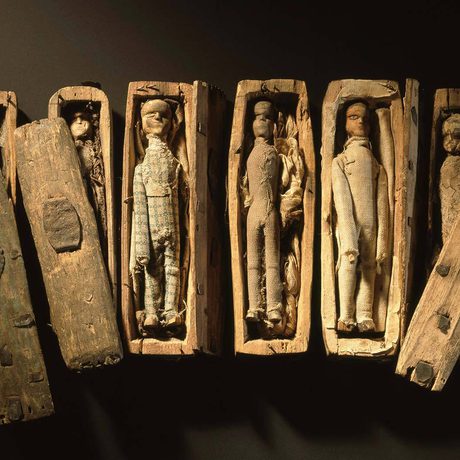
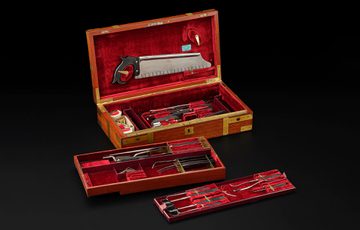
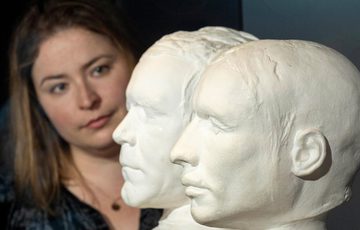
On display were early examples of anatomical art, a full-body papier-mâché model produced in the workshops of pioneering 19th century model maker Louis Auzoux, and William Burke’s skeleton and handwritten confession. National Museums Scotland’s own collections on display included a ‘mort safe’, a heavy iron box placed over a coffin to deter would-be body snatchers, and the Arthur's Seat miniature coffins.
Exhibition highlights
You might also like

Portrait of the Duke of Cumberland at Culloden
History and cultures, Scotland
A portrait celebrating the victory of Prince William Augustus, Duke of Cumberland, commander of the British government forces at Culloden.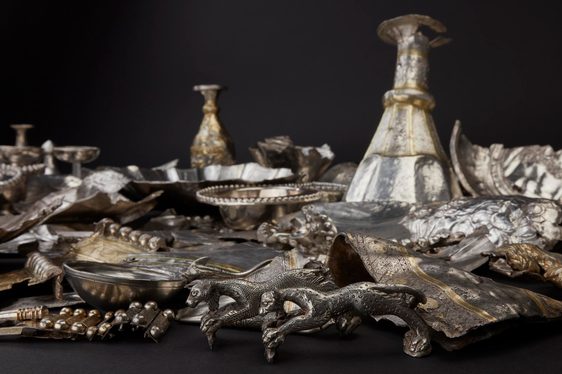
Romans in Scotland: Major archaeological sites
History and cultures, Scotland
Archaeological finds from Rome's invasions of Scotland can be found throughout the country, from the Solway Firth to Shetland. The most prominent sites, however, are in southern Scotland, including Trimontium, the Antonine Wall and…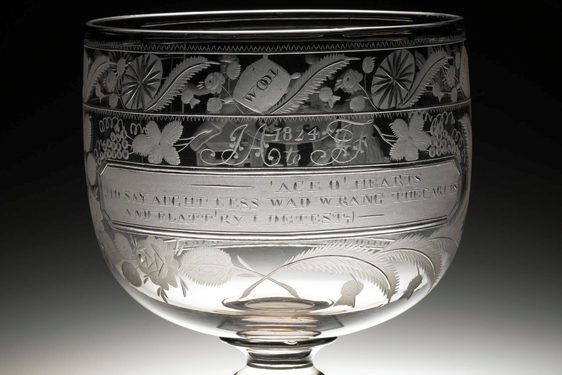
Celebrating Robert Burns: Glass goblet engraved with words by Burns
History and cultures, Scotland
A large glass goblet such as this would have been used as a punchbowl. Clues about its use can be found amongst the words and images engraved into the glass.On one side there is a quote from Robert Burns’ poem ‘Epistle to Davie, A Brother…