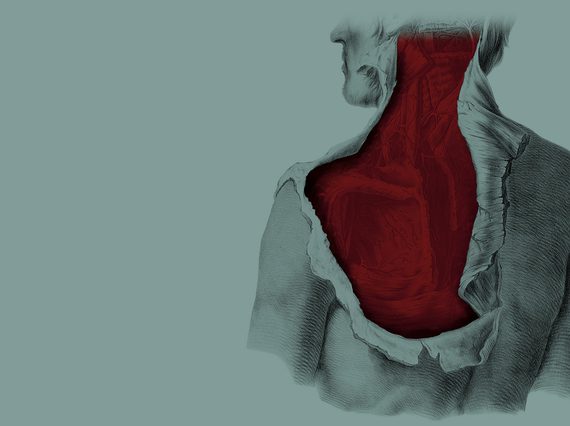
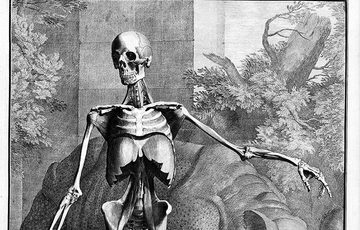
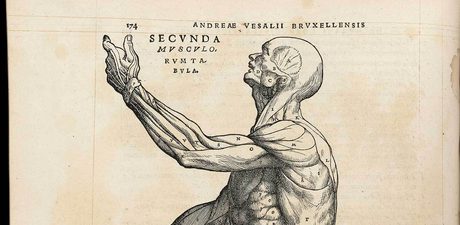
This exhibition explored the history of anatomical study, from artistic explorations by Leonardo da Vinci to the Burke and Hare murders.
"Gripping"
"...brings the whole story closer..."
"First-rate exhibition"
Charting 500 years of medical exploration, the exhibition considered the social and medical history surrounding the dissection of human bodies. The role anatomy played in the Enlightenment, the links between science and crime in the early 19th century, and the approaches to anatomical study today were also highlighted.
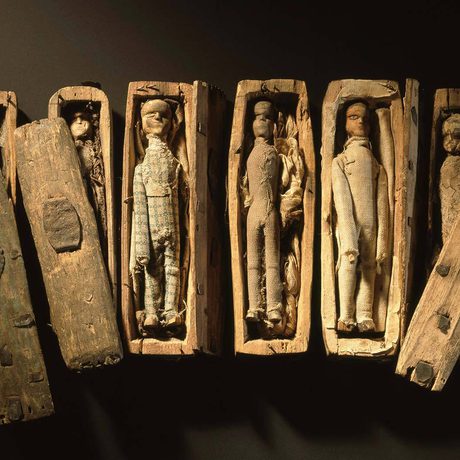
On display were early examples of anatomical art, a full-body papier-mâché model produced in the workshops of pioneering 19th century model maker Louis Auzoux, and William Burke’s skeleton and handwritten confession. National Museums Scotland’s own collections on display included a ‘mort safe’, a heavy iron box placed over a coffin to deter would-be body snatchers, and the Arthur's Seat miniature coffins.
Exhibition highlights
You might also like

The evolving craft of kilt making
Fashion and textiles, Scotland
Tartan is one of the most recognisable symbols of Scotland. With historical roots in the display culture of medieval Gaelic society, this living tradition has constantly evolved to suit the social and cultural landscapes of the moment.In…
The African spiritual tradition of Mami Wata (Mother Water)
Written by Lisa WilliamsMami Wata (Mother Water) is an African spiritual tradition that encompasses worship of a pantheon of water spirits. Especially popular in South East Nigeria among the Efik, Ibibio, Igbo and Annang people, trading routes expanded Mami…
8 objects for spring at the farm in rural Scotland
History and cultures
Explore stories of spring in rural Scotland through tools, machinery and photographs from the rural history collections.