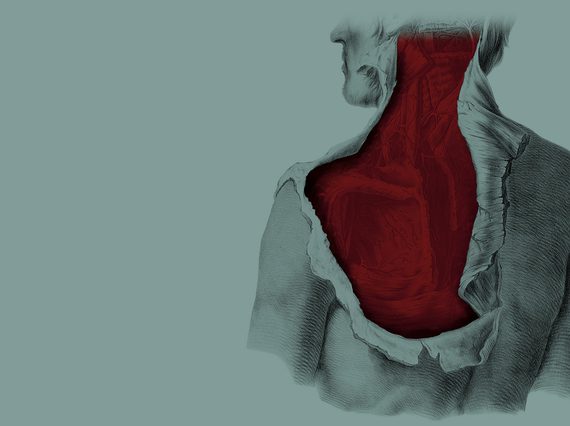
This exhibition explored the history of anatomical study, from artistic explorations by Leonardo da Vinci to the Burke and Hare murders.
"Gripping"
"...brings the whole story closer..."
"First-rate exhibition"
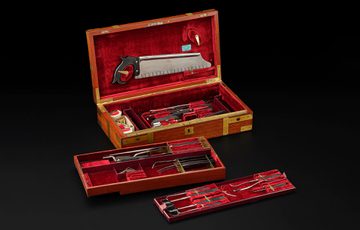
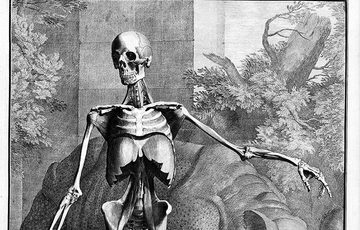
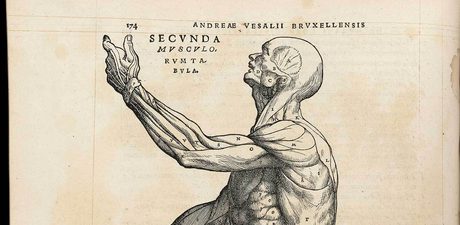
Charting 500 years of medical exploration, the exhibition considered the social and medical history surrounding the dissection of human bodies. The role anatomy played in the Enlightenment, the links between science and crime in the early 19th century, and the approaches to anatomical study today were also highlighted.
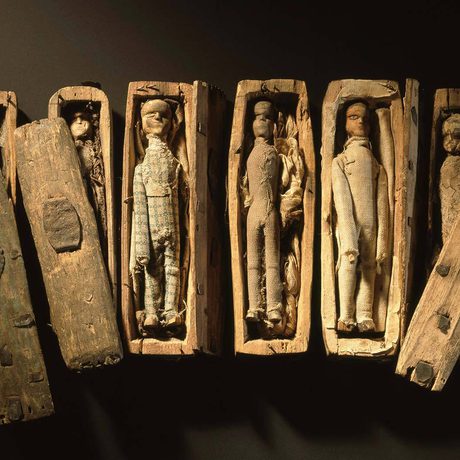
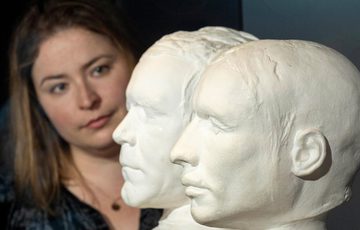
On display were early examples of anatomical art, a full-body papier-mâché model produced in the workshops of pioneering 19th century model maker Louis Auzoux, and William Burke’s skeleton and handwritten confession. National Museums Scotland’s own collections on display included a ‘mort safe’, a heavy iron box placed over a coffin to deter would-be body snatchers, and the Arthur's Seat miniature coffins.
Exhibition highlights
You might also like
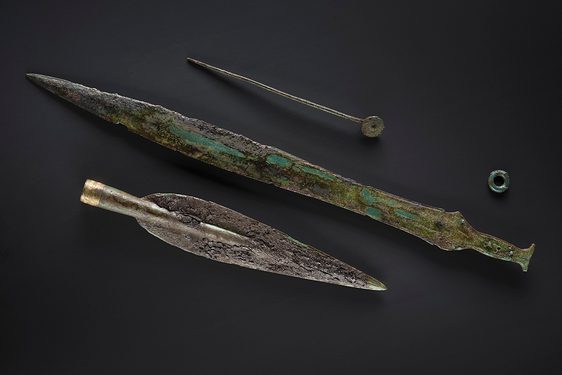
The Carnoustie Hoard: A rare glimpse into Bronze Age customs
Archaeology, Scotland
In 2016 a Bronze Age hoard was discovered in Carnoustie, Angus. The site also showed evidence of a Neolithic feat hall. These objects give us clues about who lived in this area thousands of years ago.
Dunadd Hillfort: The seat of early medieval Scottish power
Archaeology, History and cultures, Scotland
Before there was a kingdom called Scotland, the people known as the Scotti were just one group among many in the north and west of Britain. By the sixth century AD, the Gaelic-speaking Scots had built a strong and wealthy kingdom known as…
Snow Hunter: Collecting Scotland's vanishing ice
Natural world, Scotland
Written by Dr Sarah Laurenson & Iain CameronWhat can patches of snow across Scotland tell us about the global environmental challenge?