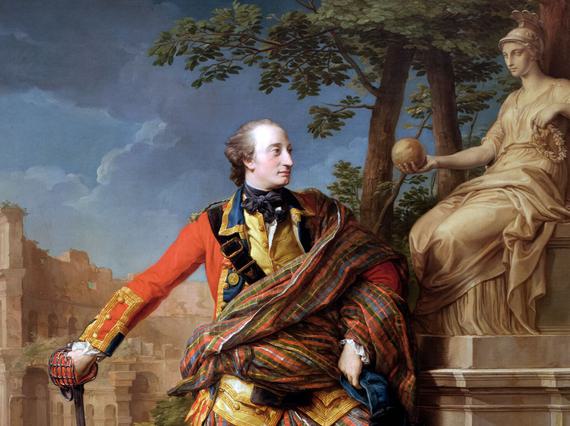
About Wild and Majestic: Romantic Visions of Scotland
Dramatic highland landscapes, heroic histories, tartan and bagpipes are among the defining images of Scotland for many people around the world today.
From the Romantic movement of the 18th and early 19th centuries to Queen Victoria’s highland idyll at Balmoral, Wild and Majestic considered the origins of these ideas and explored how they were used to represent Scotland around the world, expressed through highland and military dress, royal visits, art, literature and the beginnings of the Scottish tourism industry.
Featuring rich displays and iconic objects, this landmark exhibition charted Scotland’s journey into the global imagination and invited visitors to think again about the meaning and relevance of ideas that continue to define Scotland today.
National Museums Scotland partnered with Sabhal Mòr Ostaig College on Skye, part of the University of the Highlands and Islands (UHI), on the production of content for the exhibition. Gaelic language and culture featured throughout the exhibition, with the main narrative presented in both English and Gaelic.
Each section of the exhibition included exploration of themes from a Gaelic-cultural perspective, and throughout the exhibition filmed interviews reflected a range of perspectives, including Gaelic voices, on some contested historical themes about the period.
Exhibition highlights
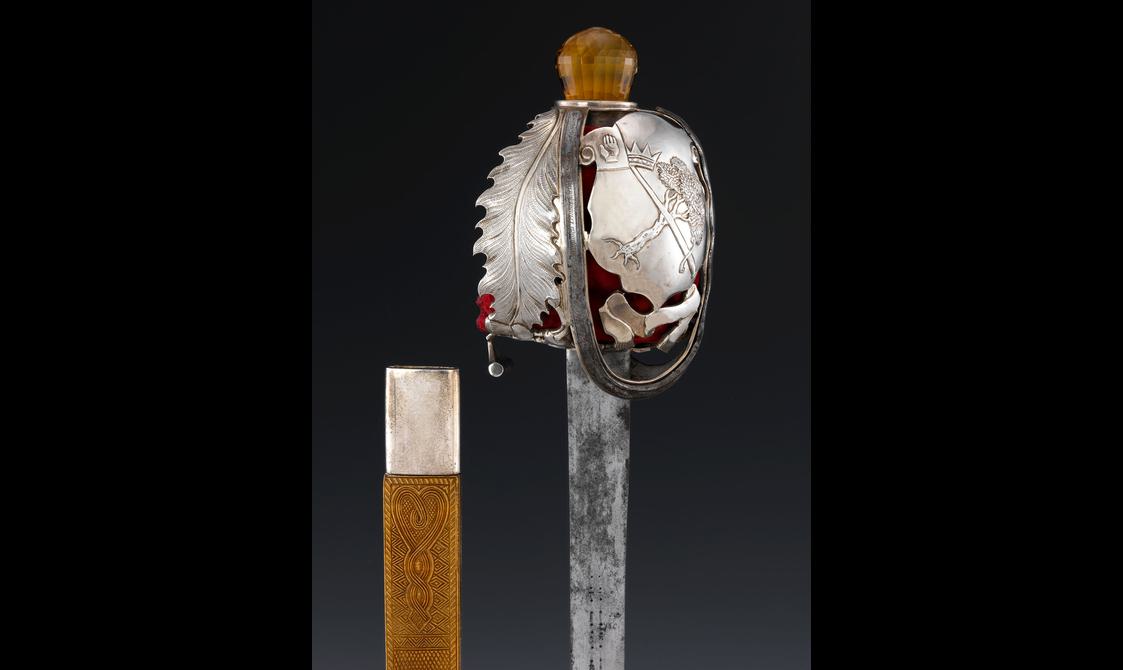
Sword of MacGregor of MacGregor, worn in 1822
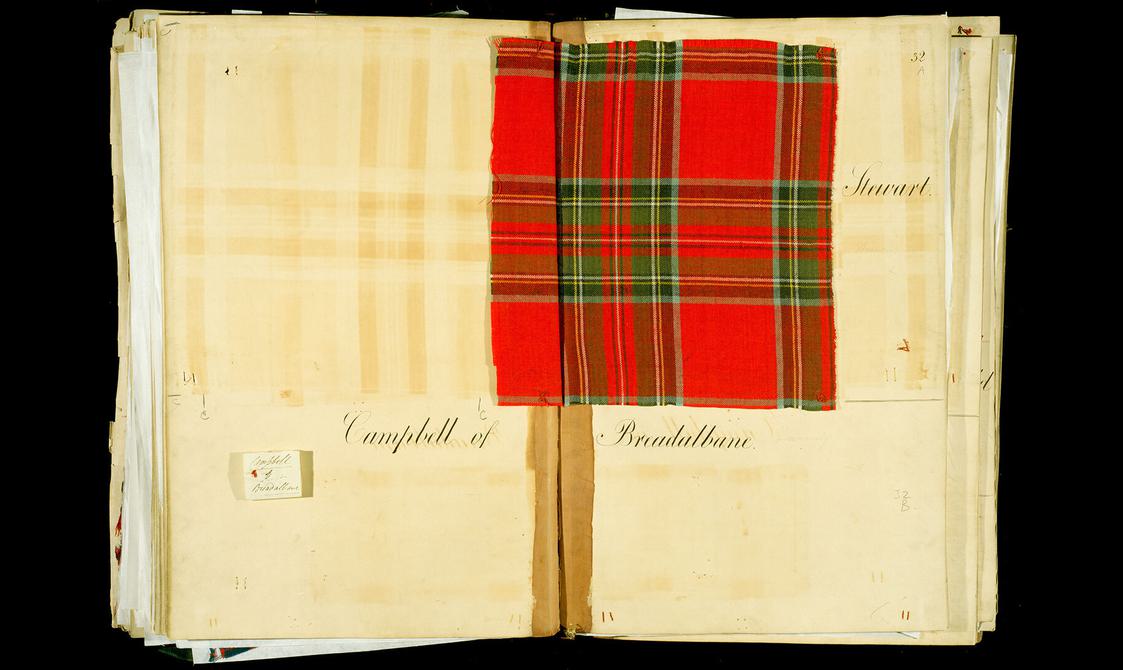
Sample of Stewart tartan.
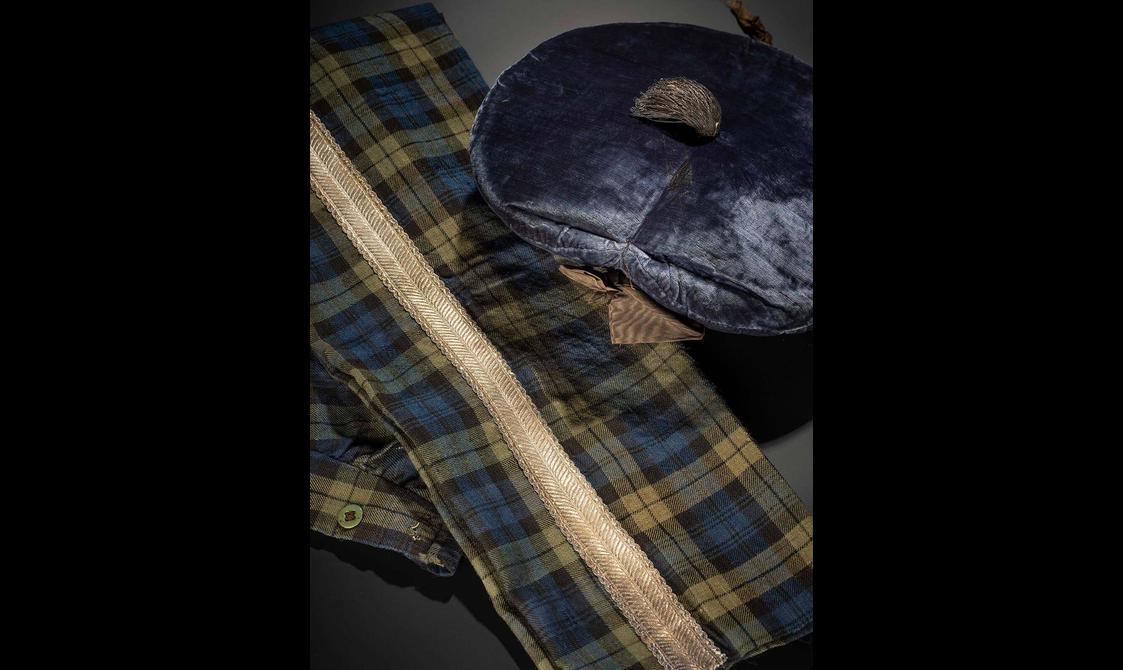
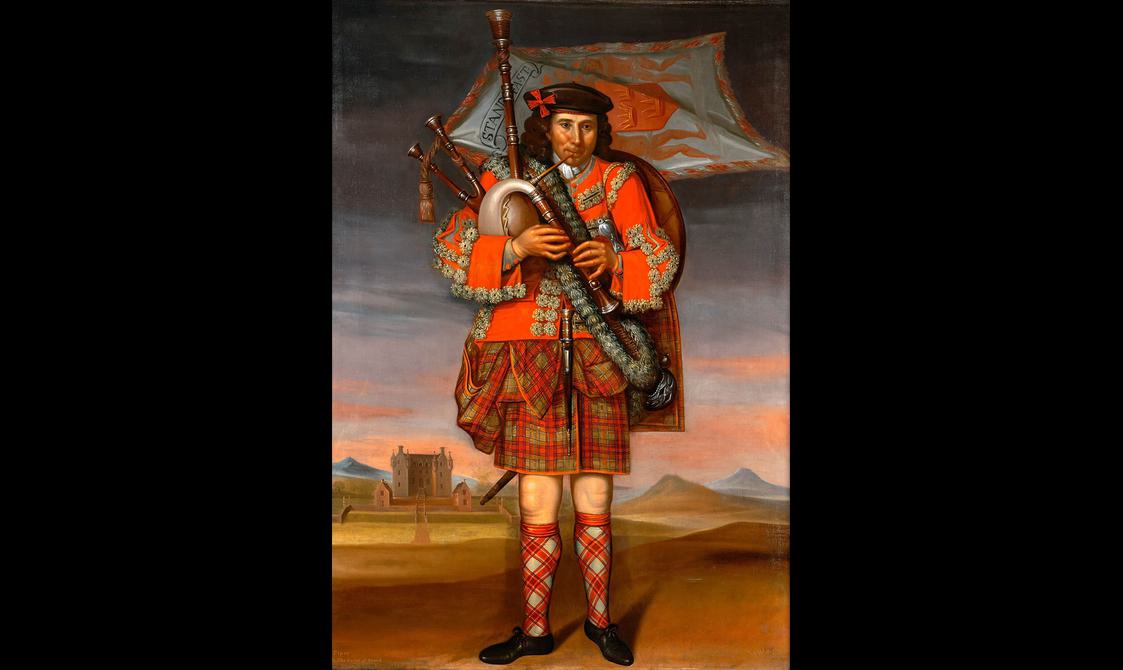
Part of the uniform of a member of the Royal Company of Archers, c. 1820
Visitor views
You might also like
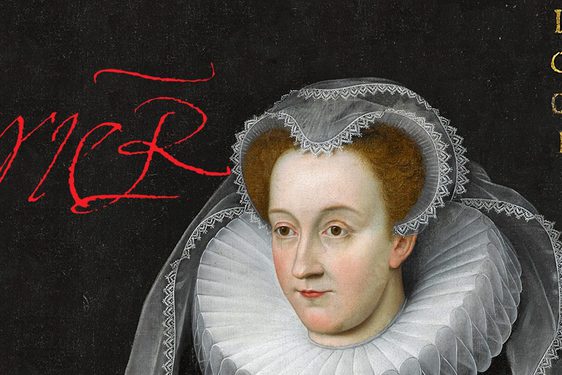
Life and deathline of Mary, Queen of Scots
History and cultures, Scotland
Crowned Queen of Scots at just nine months old; married, crowned Queen Consort of France and widowed all by the time she was 18 years old: Mary Stewart's life was nothing if not eventful. Let's dig into the facts about her tumultuous life…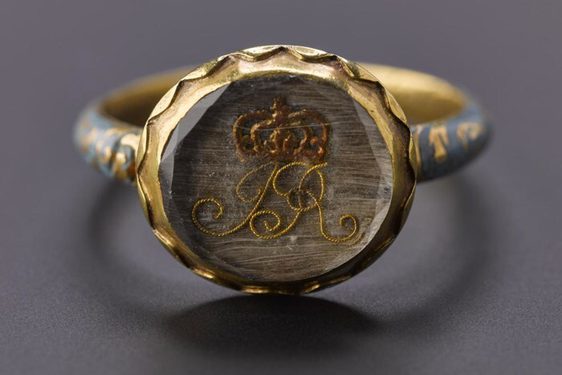
A departing gift: The exile of James VII and II
History and cultures, Scotland
This monogrammed ring was given by the deposed King James VII and II to a loyal supporter on the night he escaped London, never to return. But why was the King forced to flee his country? And how did this result in five attempts to regain…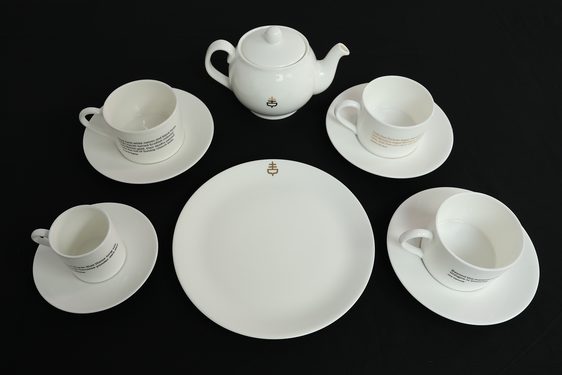
A porcelain tea set and the legacy of slavery in Scotland
History and cultures, Scotland
Collecting objects from the present allows us to develop new interpretations of difficult aspects of Scotland's past.