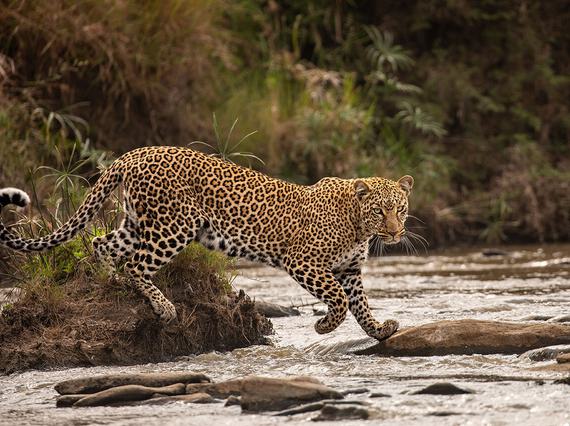
About Wildlife Photographer of the Year 2023
In this world-renowned exhibition, on loan from the Natural History Museum in London, see exceptional images which capture fascinating animal behaviour, spectacular species and the breath-taking diversity of the natural world.
Wildlife Photographer of the Year is the most prestigious photography event of its kind, providing a global platform that showcases some of the best photography talent from around the world for nearly 60 years.
Launching in 1965, the competition receives entries from 95 countries all over the world, highlighting its enduring appeal. The 2023 competition attracted an astounding 49,957 entries from photographers of all ages and experience levels and, during an intense week at the Natural History Museum in London, entries were judged anonymously on their creativity, originality, and technical excellence by an international panel of industry experts.
The international tour of the award-winning images will allow them to be seen by well over a million people. Using photography's unique emotive power to engage and inspire audiences, the images shine a light on stories and species around the world and encourage a future of advocating for the planet.
To find out more about our ongoing work on sustainability and biodiversity across our sites and in our work read our Strategy for Sustainability.
Competition entries
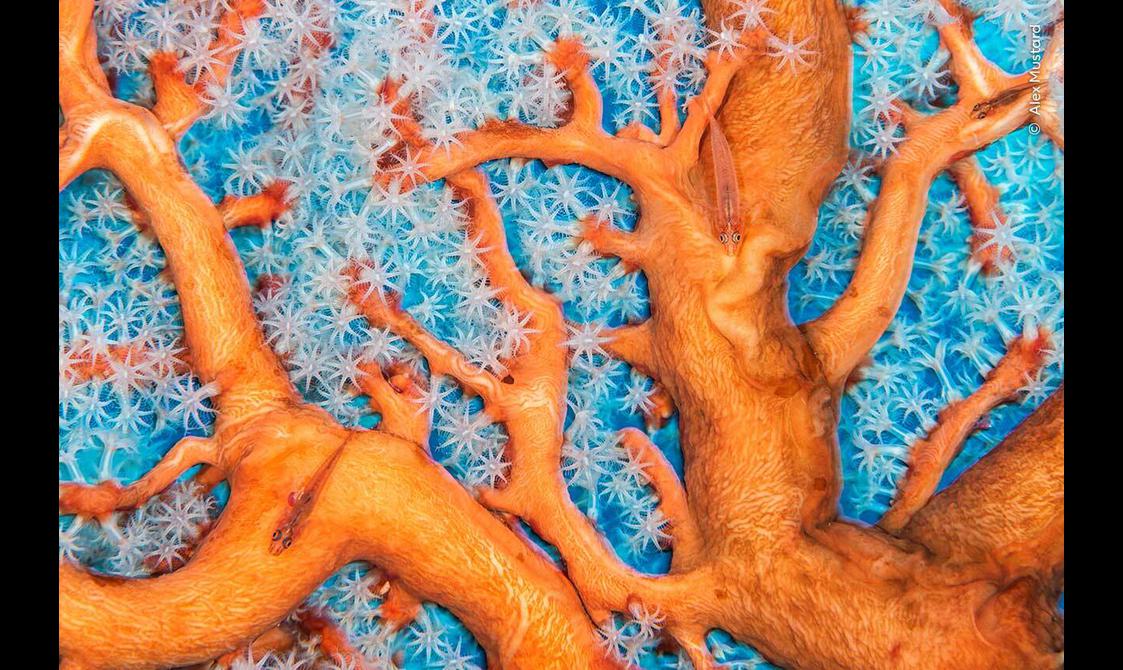
Coral connections by Alex Mustard, UK Highly commended, Under Water, Wildlife Photographer of the Year
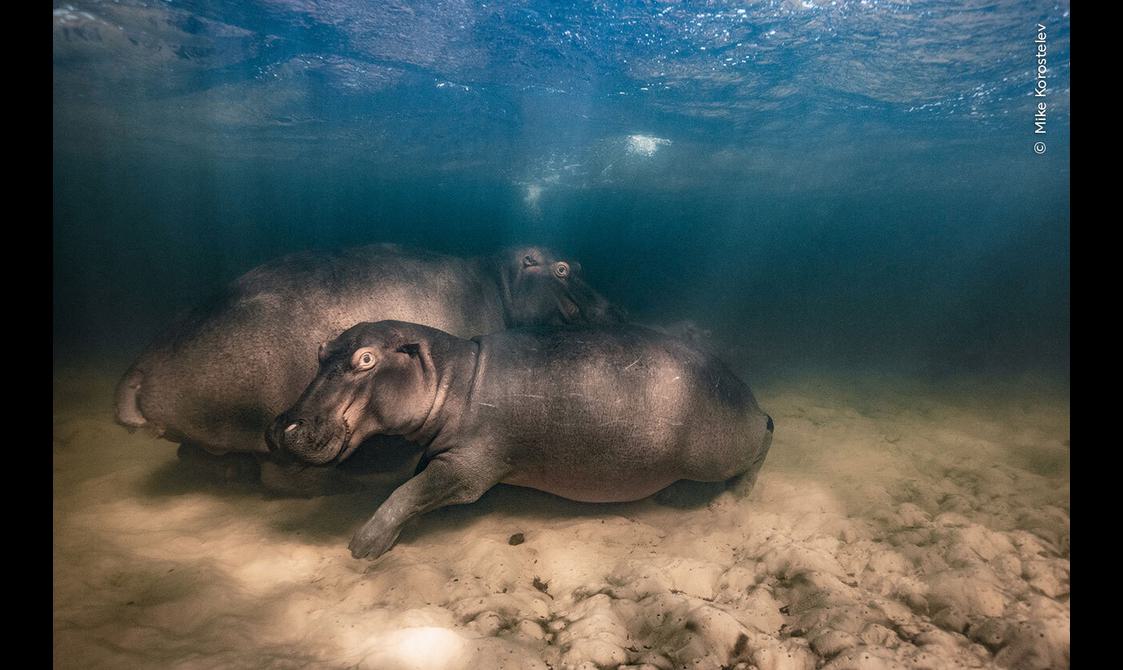
Hippo Nursery, Mike Korostelev.
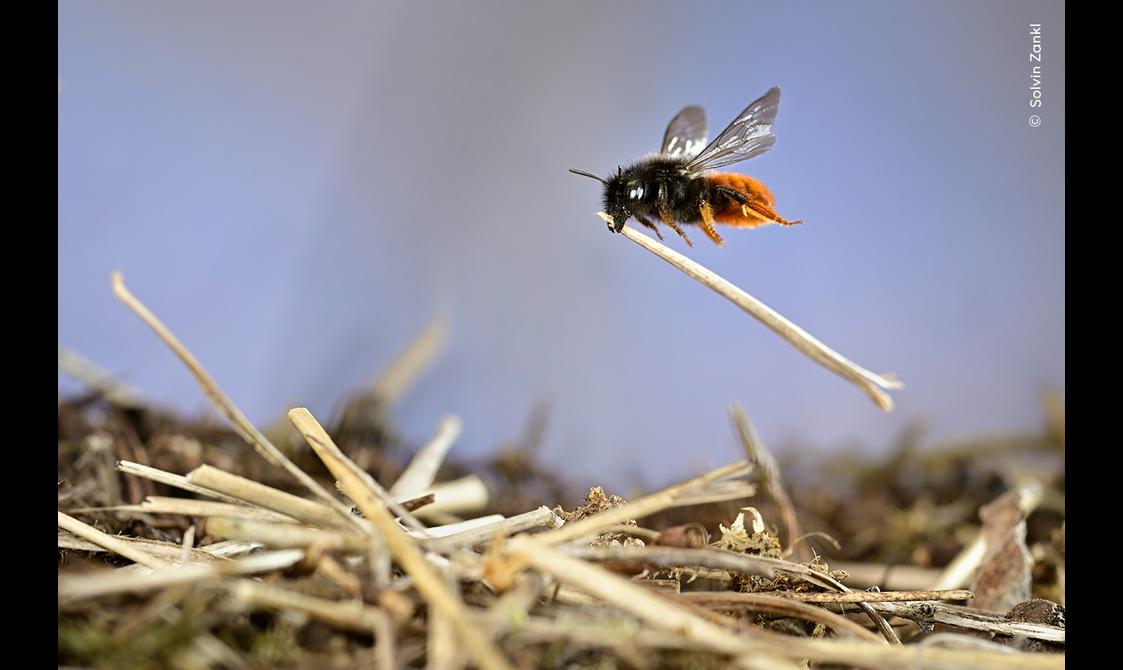
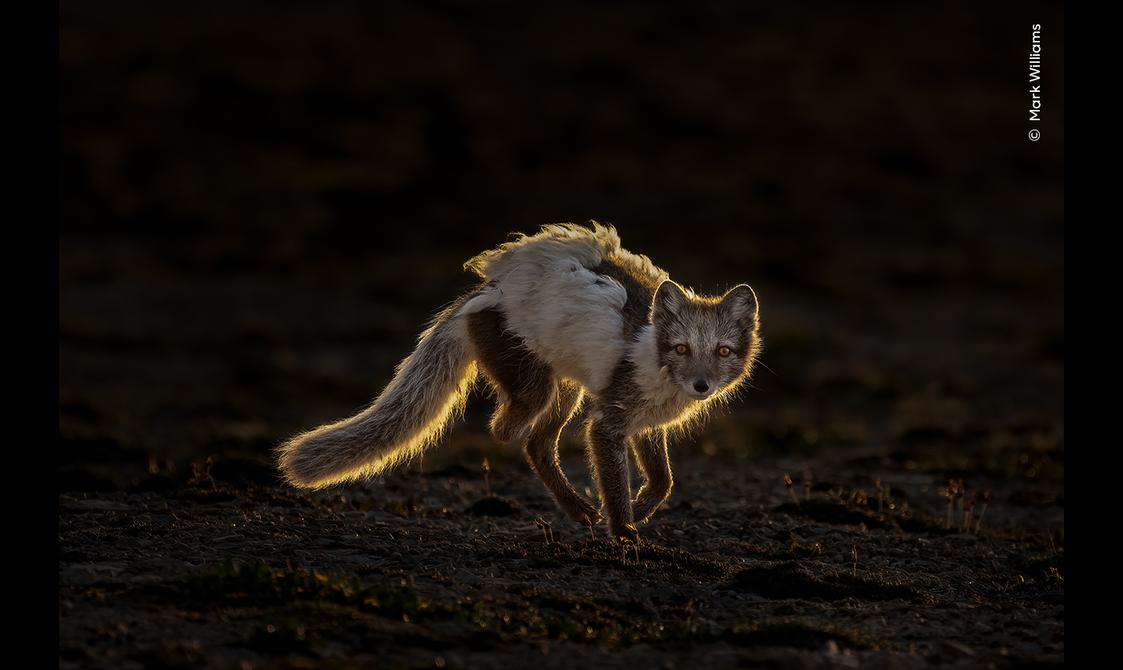
'The Survivor' - an Arctic fox.
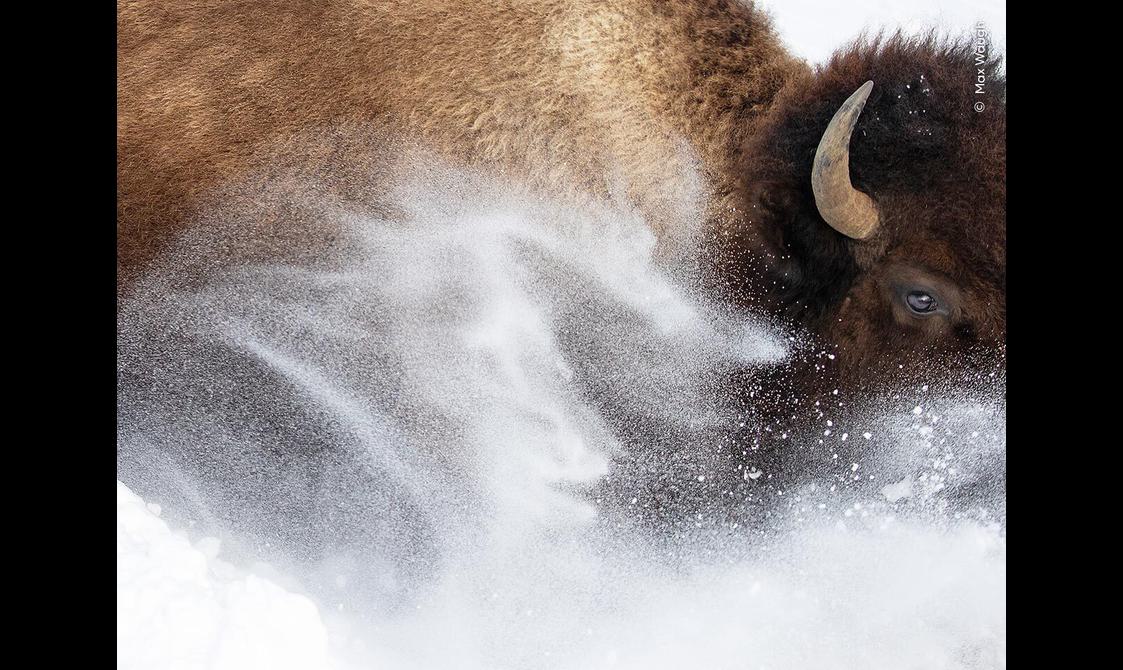
Snow bison by Max Waugh, USA Highly commended, Animal Portrait, Wildlife Photographer of the Year.
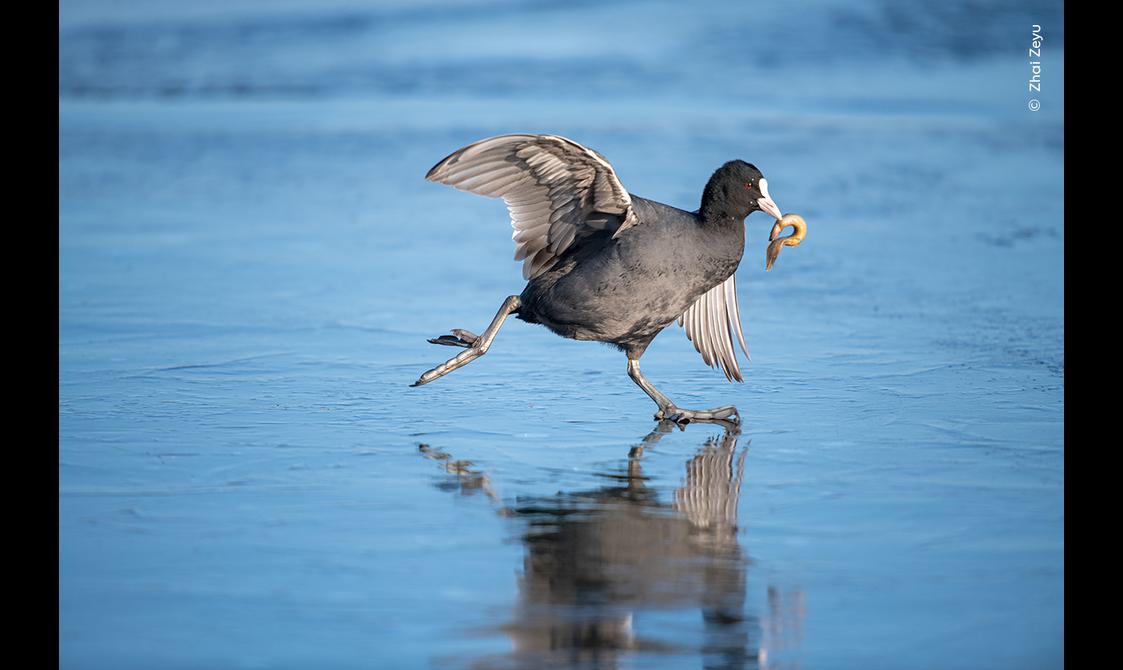
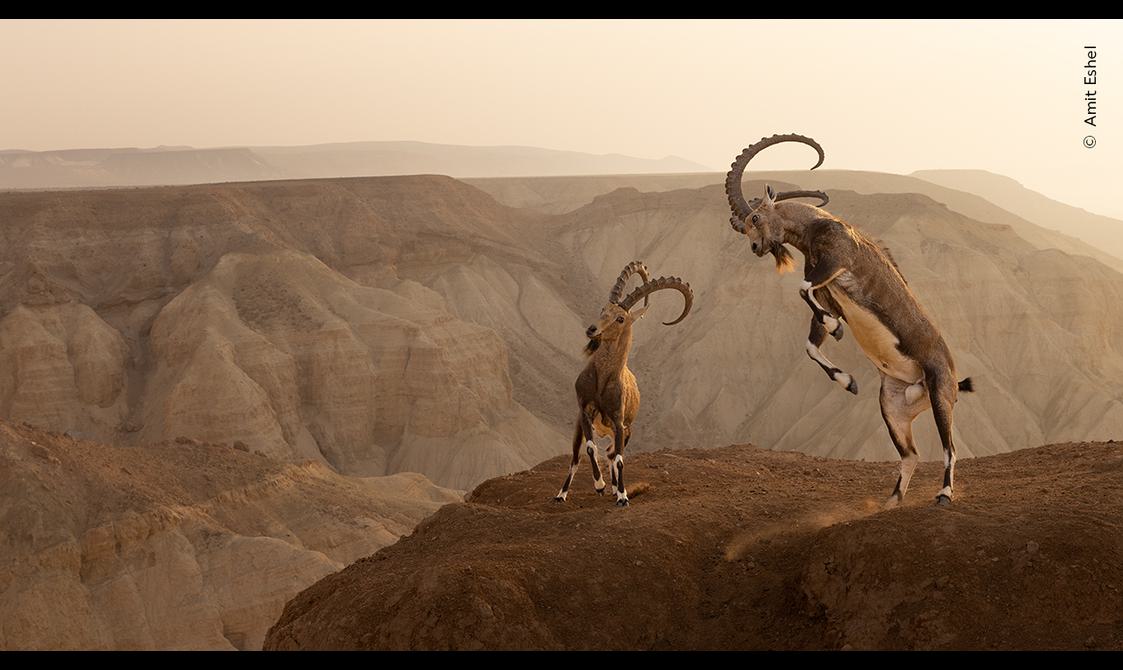
Exhibition developed by the Natural History Museum in London.
Venue supported by players of People’s Postcode Lottery.

You might also like
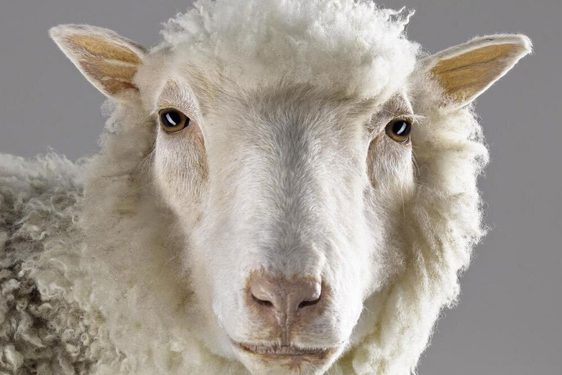
The story of Dolly the sheep
Natural world, Science and technology, Scotland
Dolly the sheep was the first cloned mammal ever to be created from an adult cell. Affectionately named after country music legend Dolly Parton, Dolly caused excitement and controversy among both scientists and the public.Why is Dolly…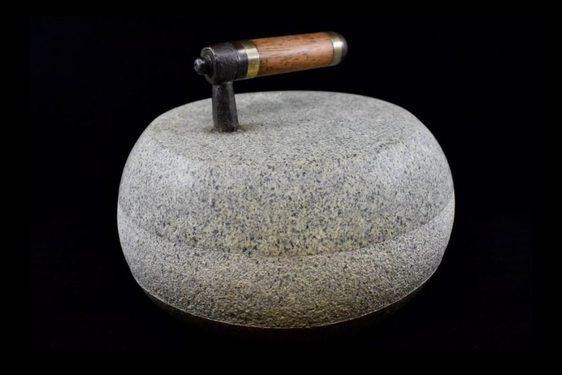
The Roaring Game: Scotland's curling stone island
Natural world
Written by Dr Bob GoodayDid you know that all curling stones are quarried on a small, uninhabited island in the Firth of Clyde called Ailsa Craig?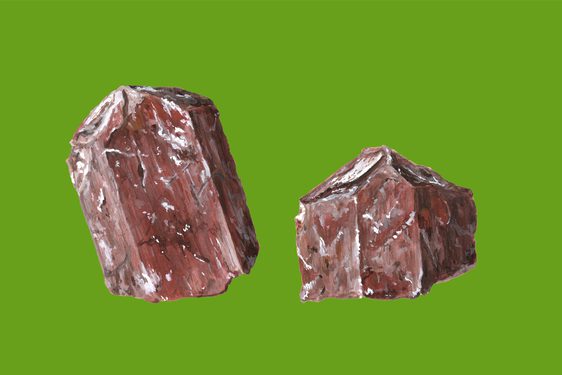
The surprising story of the mineral ramsayite
Natural world
When is ramsayite not ramsayite? Find out below in a story of clans, Swedish nobility, Finnish land and titles, and a shocking twist!Ramsayite was first described in 1923. It was noted as pale purple to brown, or pale pink to mauve, or…