Search our website
Key in a search term below to search our website.
Key in a search term below to search our website.
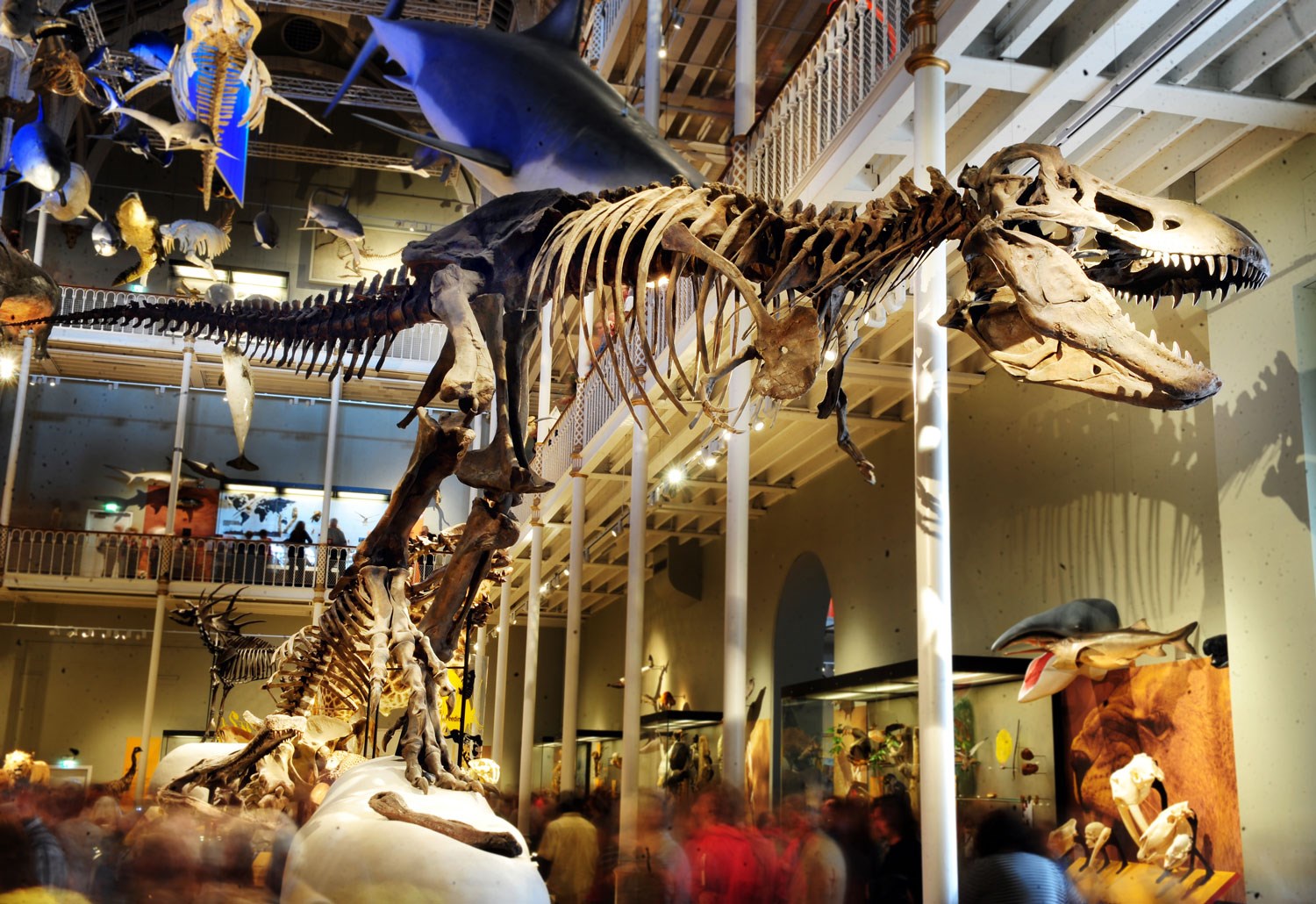
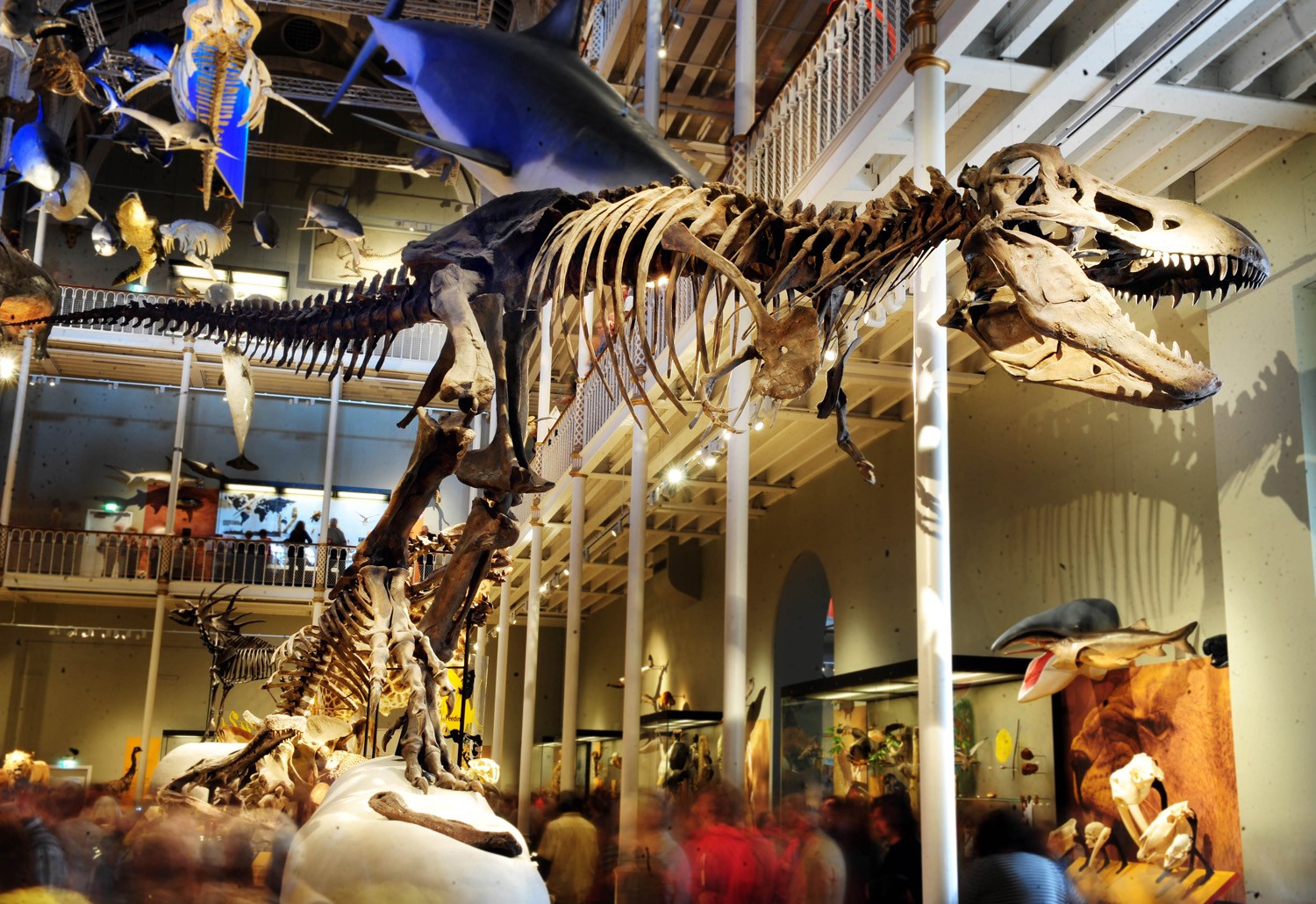
A giant T.rex guards our Natural World galleries, where we ask the big questions: how does the world work? What do we know about it? What is our place in the universe?
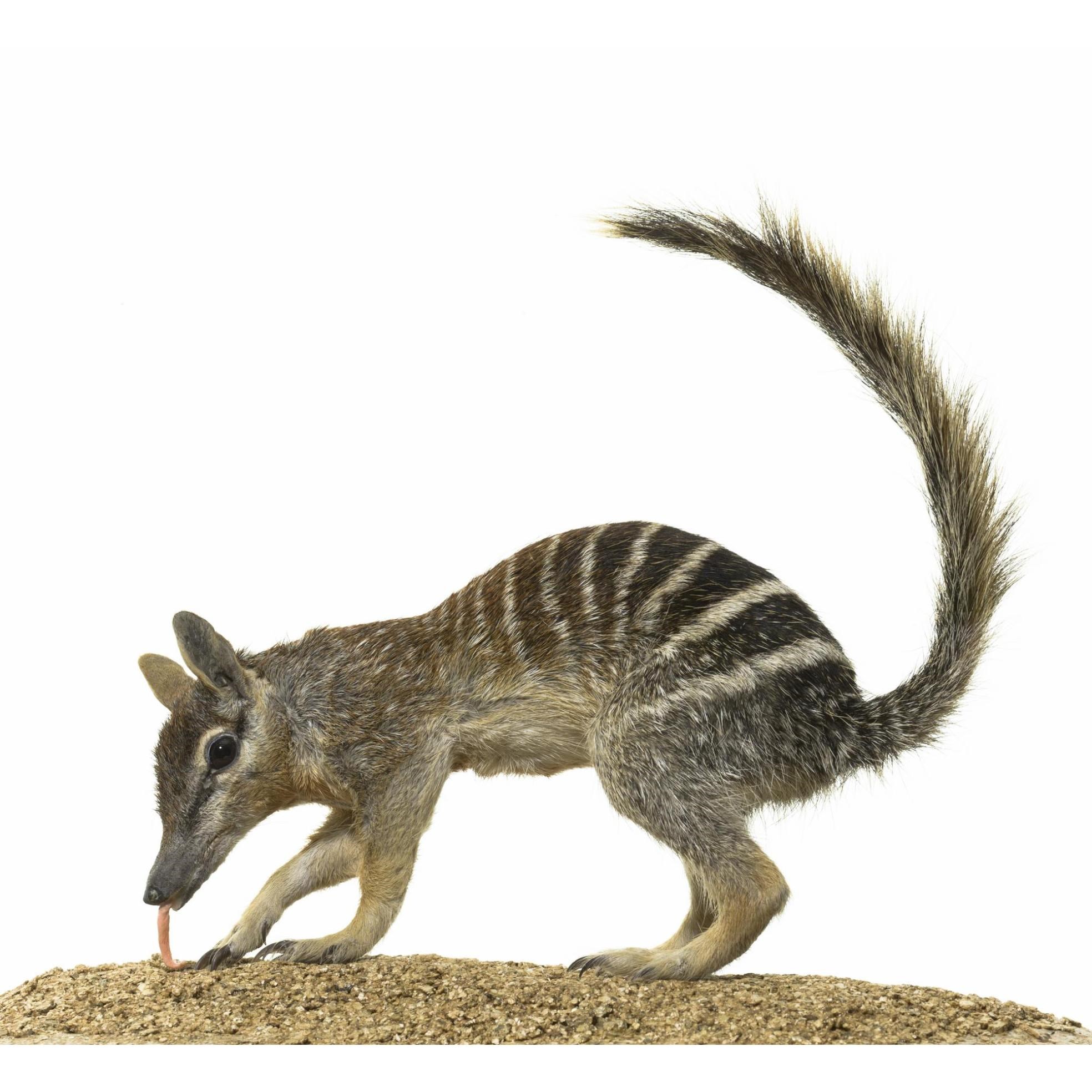
Our dramatic Animal World gallery introduces the main themes of behaviour and interaction with the environment. Here you can explore the lives of animals from around the world, from the Arctic to Australia, and even see how you measure up – do you weigh more than a chimpanzee?
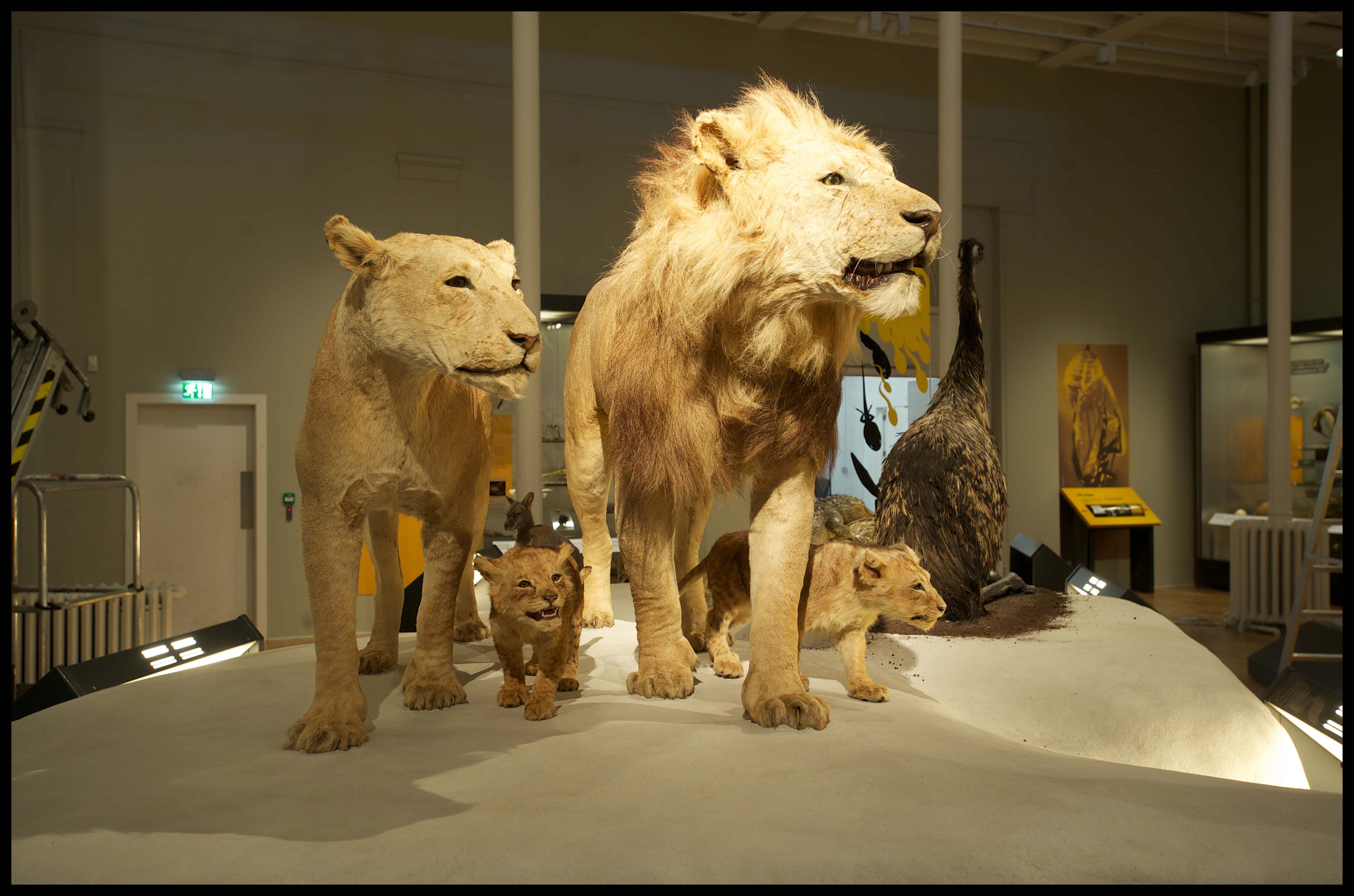
The pride of lions in the Animal World gallery.
Explore how animals communicate in our Animal Senses gallery on Level 3, or move up to Survival on Level 5 to learn how they have evolved to thrive – or faced extinction.
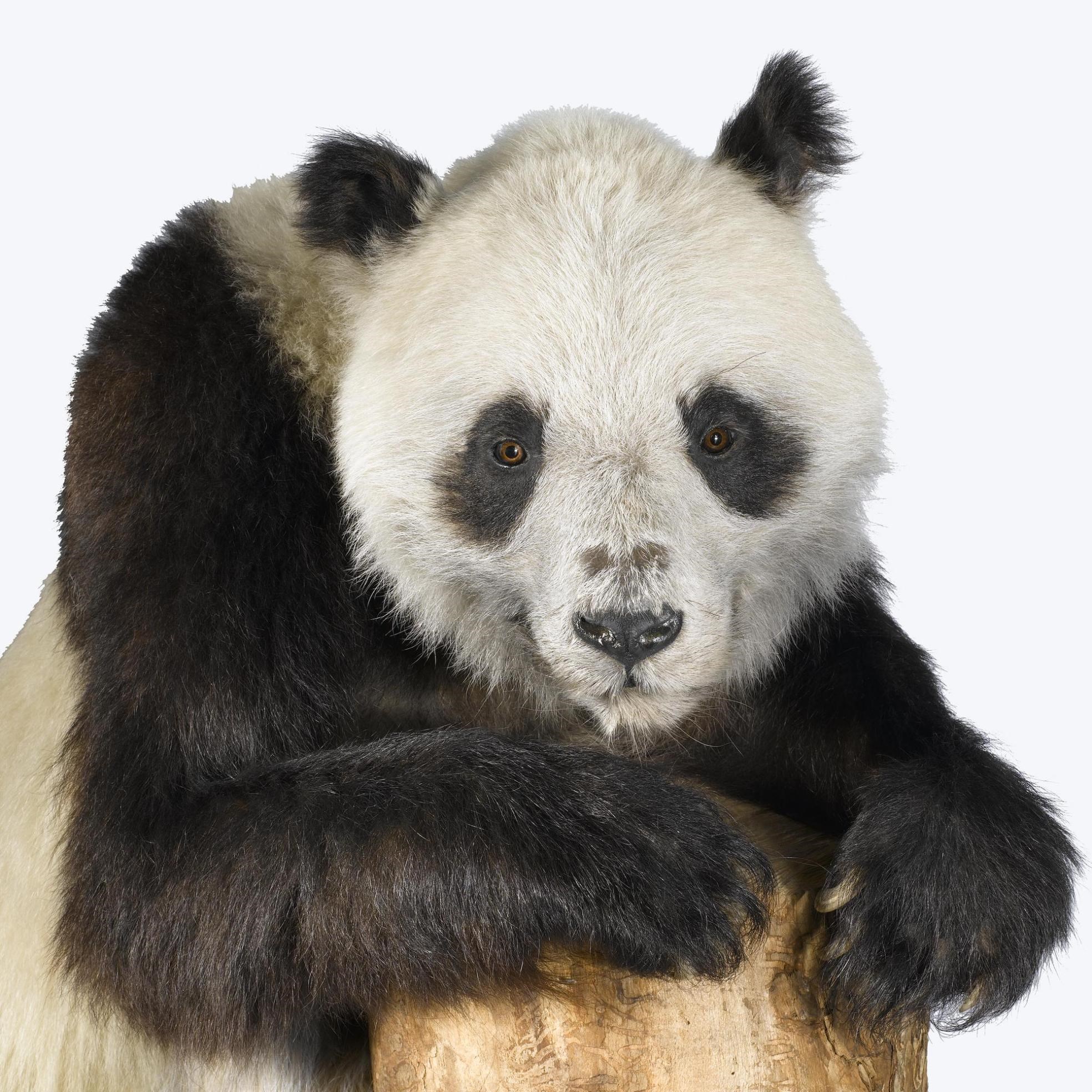
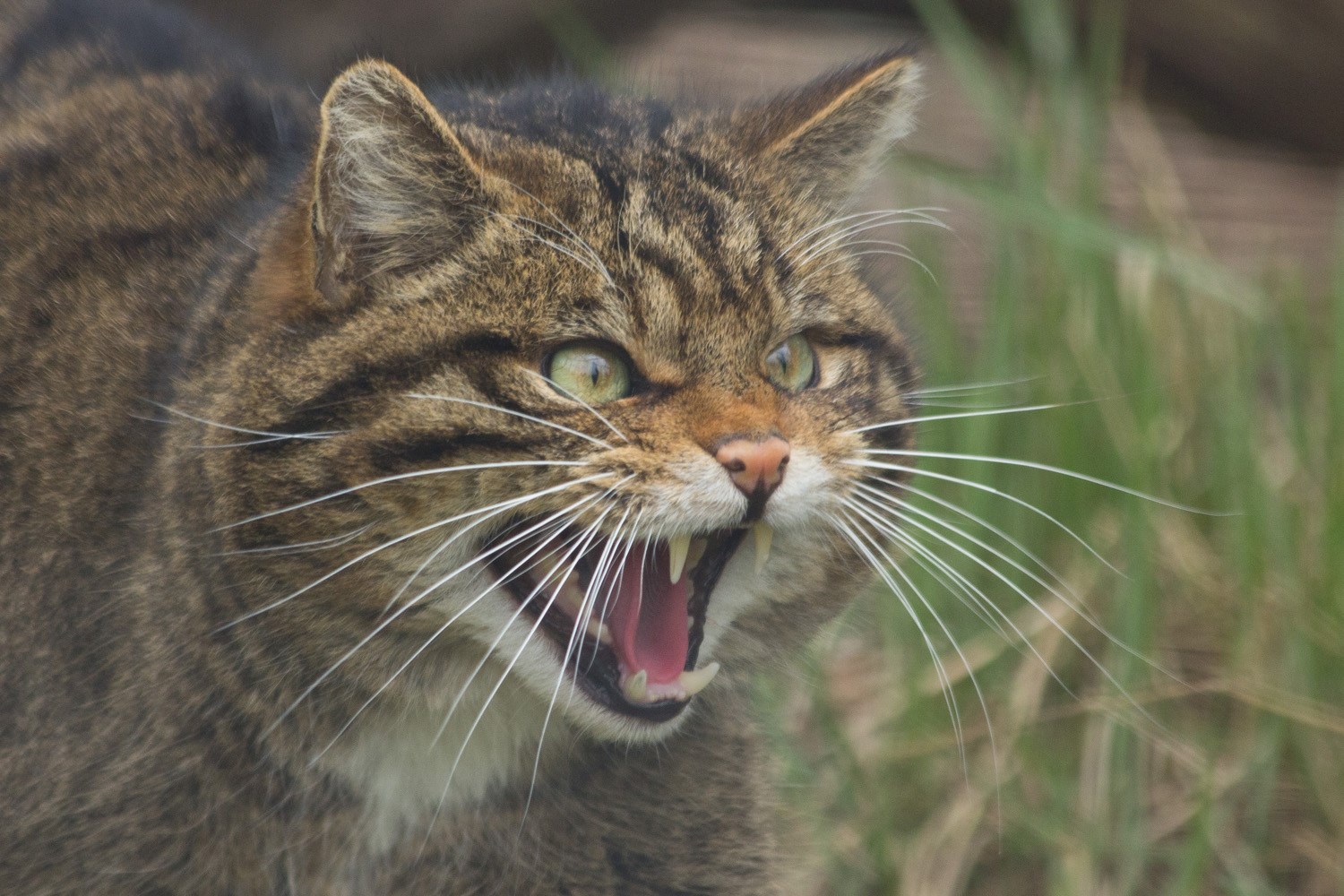
Meet endangered species such as Ching Ching the Giant Panda or our Scottish Wildcat, and marvel at the spectacular array of swimming and flying animals in the Wildlife Panorama.
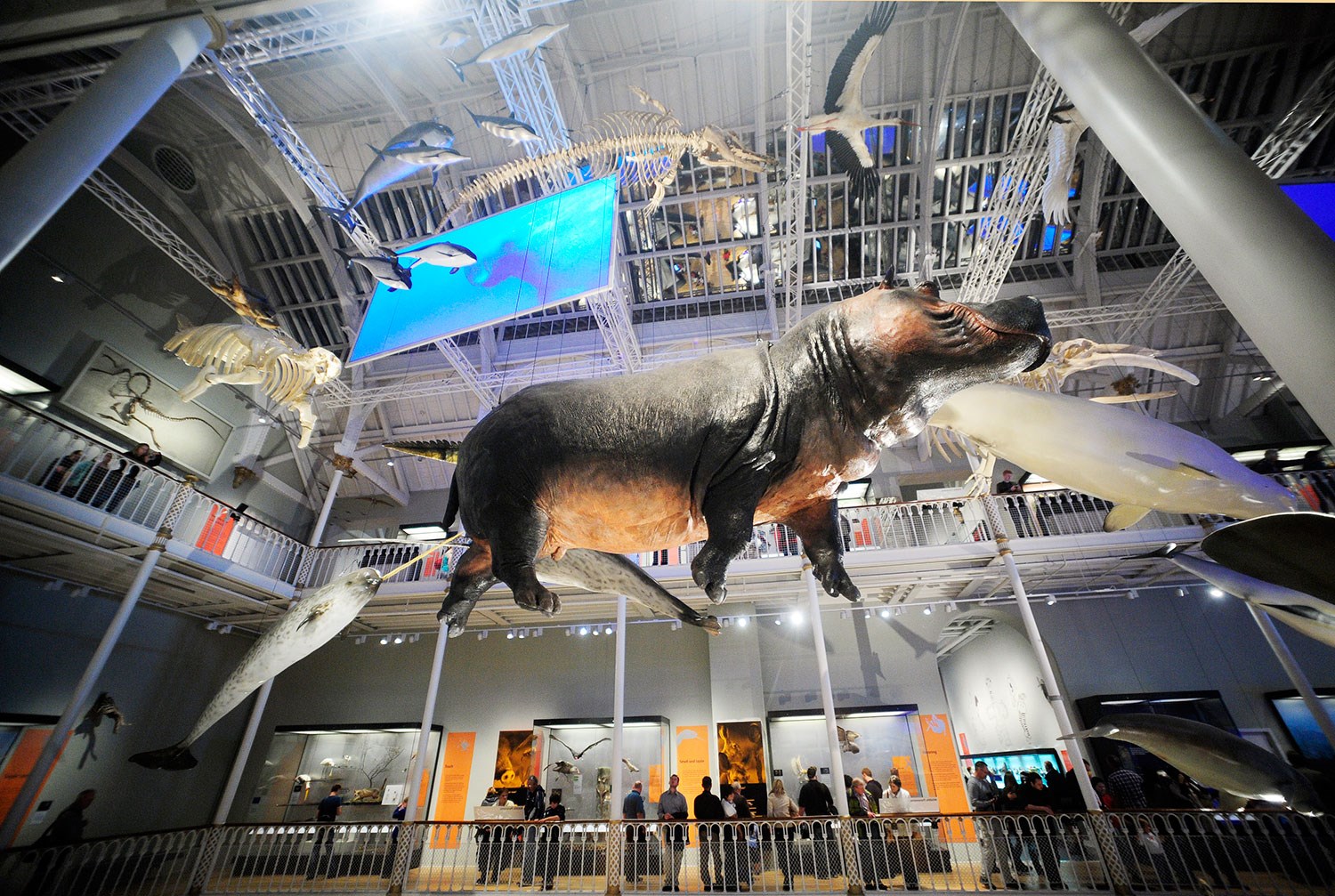
The 'flying hippo' in the Wildlife Panorama.
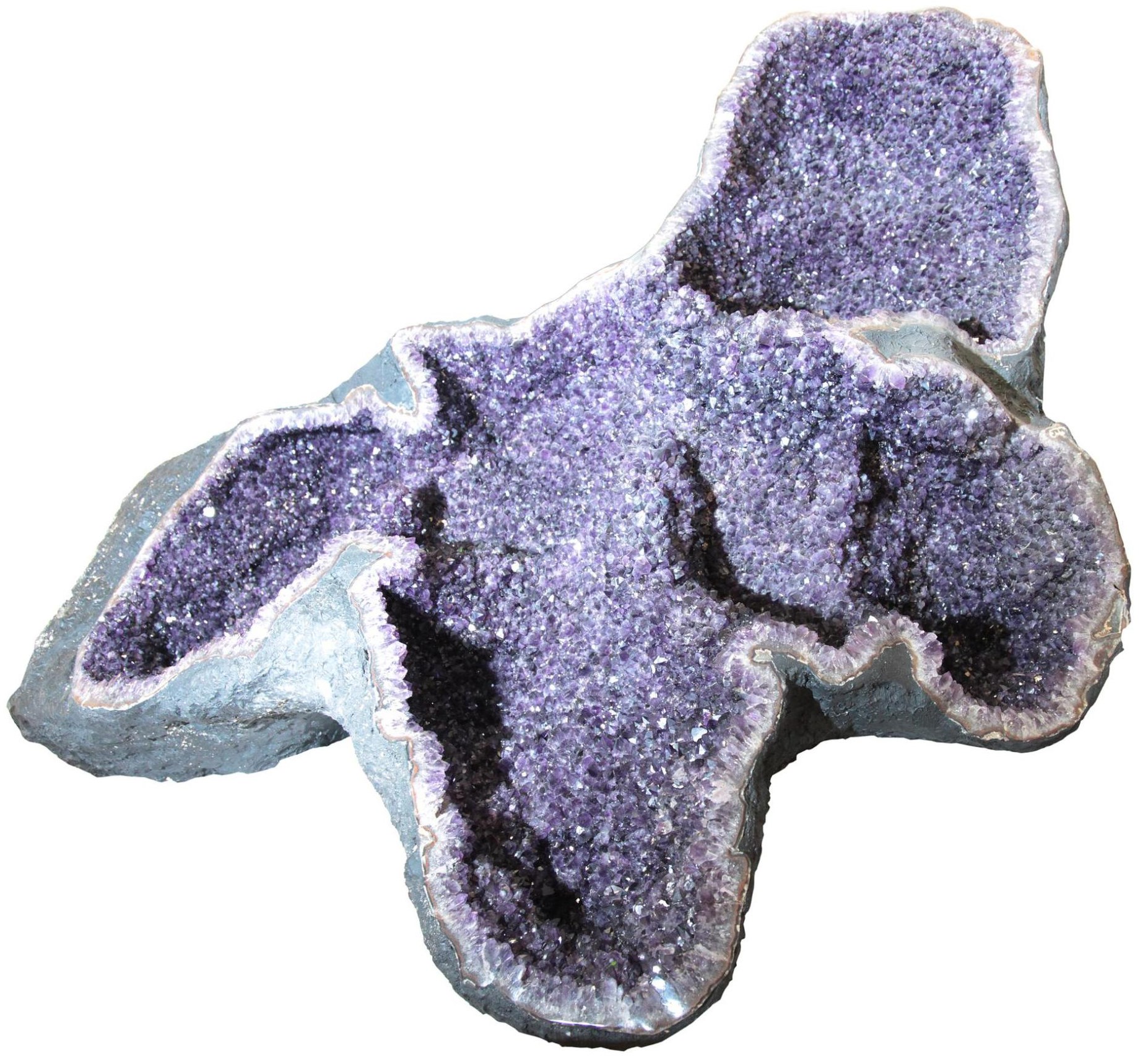
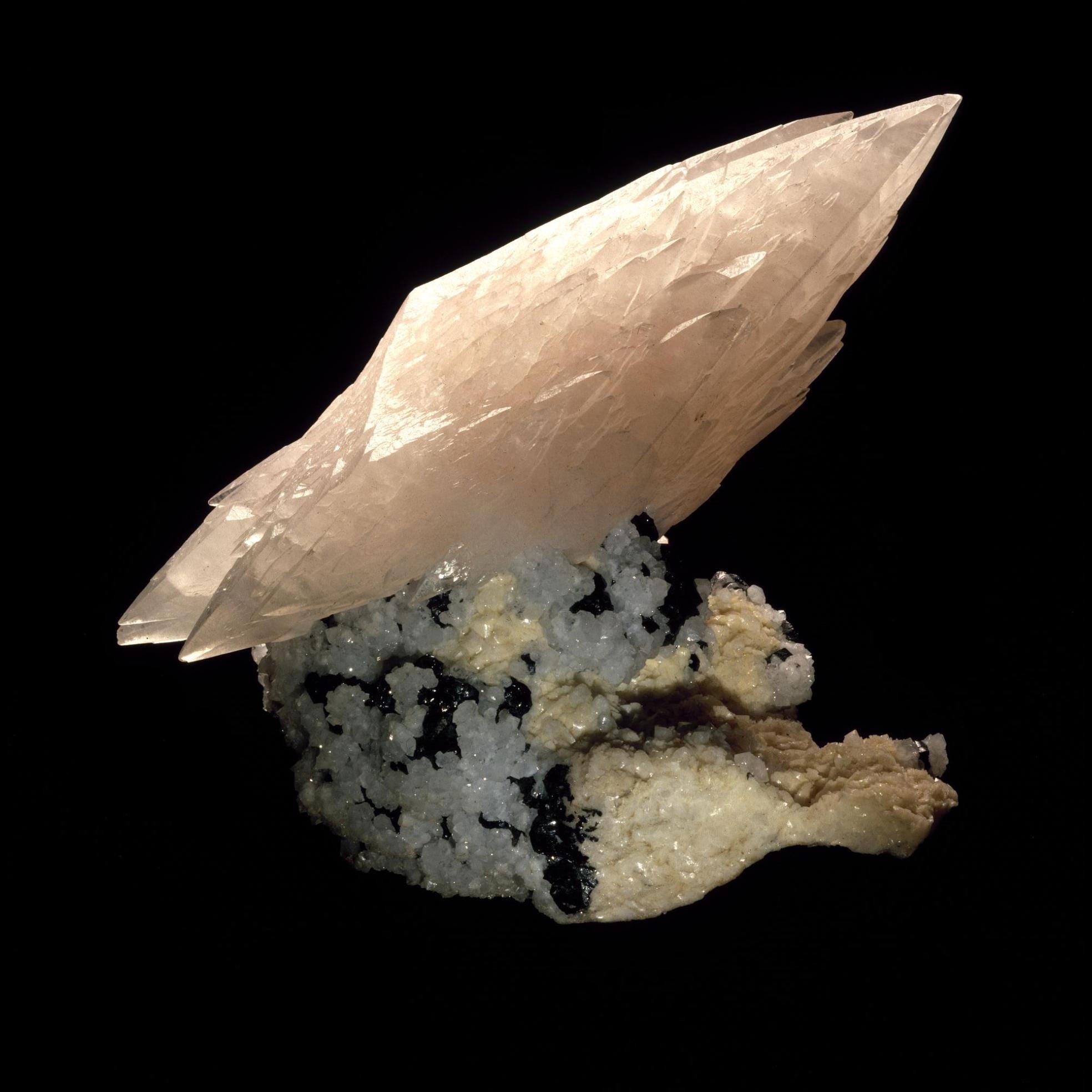
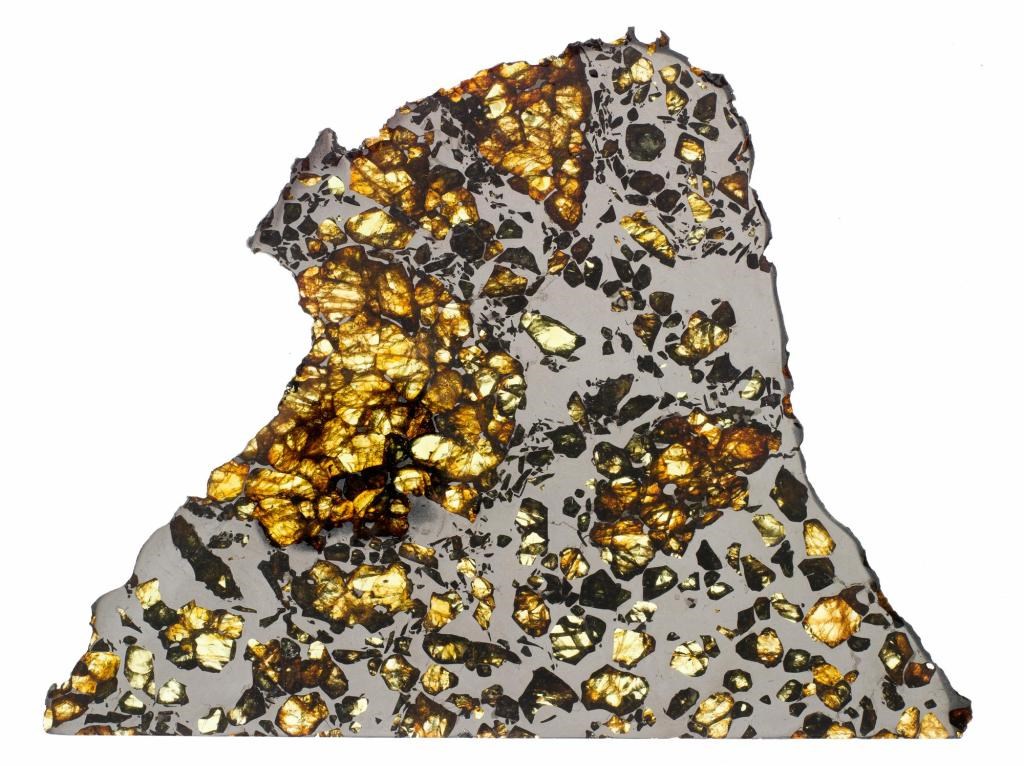
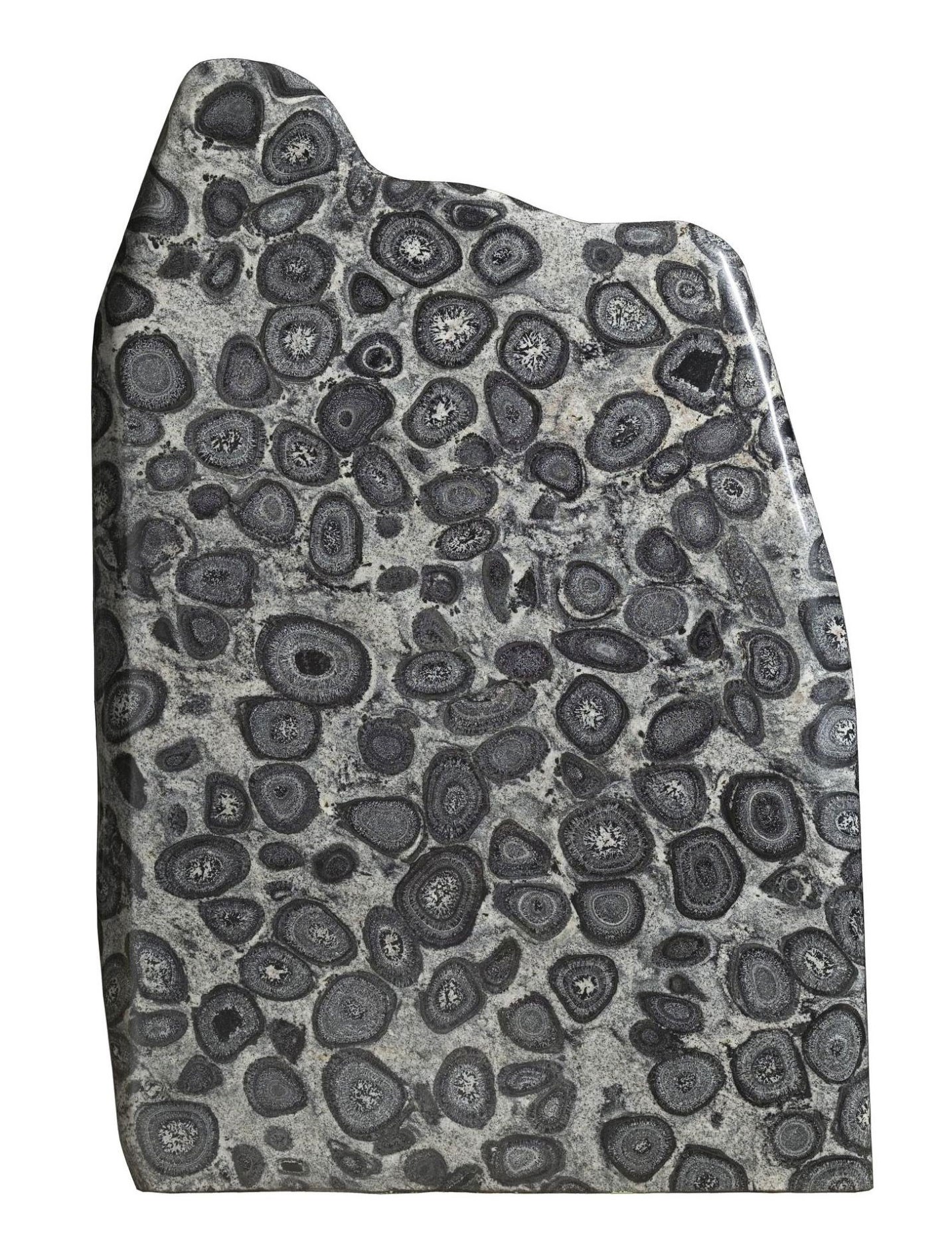
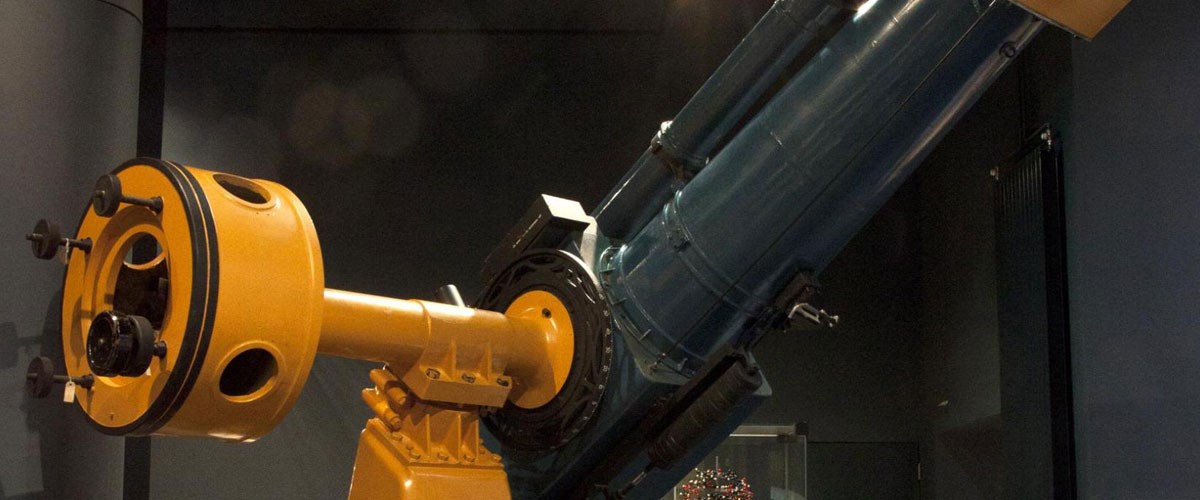
Next to our animal galleries, Earth in Space, on Level 1, explores our place in the universe and how our understanding of it has developed, while Restless Earth, on Level 3, investigates the geological processes that constantly shape and reshape the planet. Explore astronomy with our magnificent orrery and mighty Schmidt telescope, and see natural processes in action with our rich geology collection.
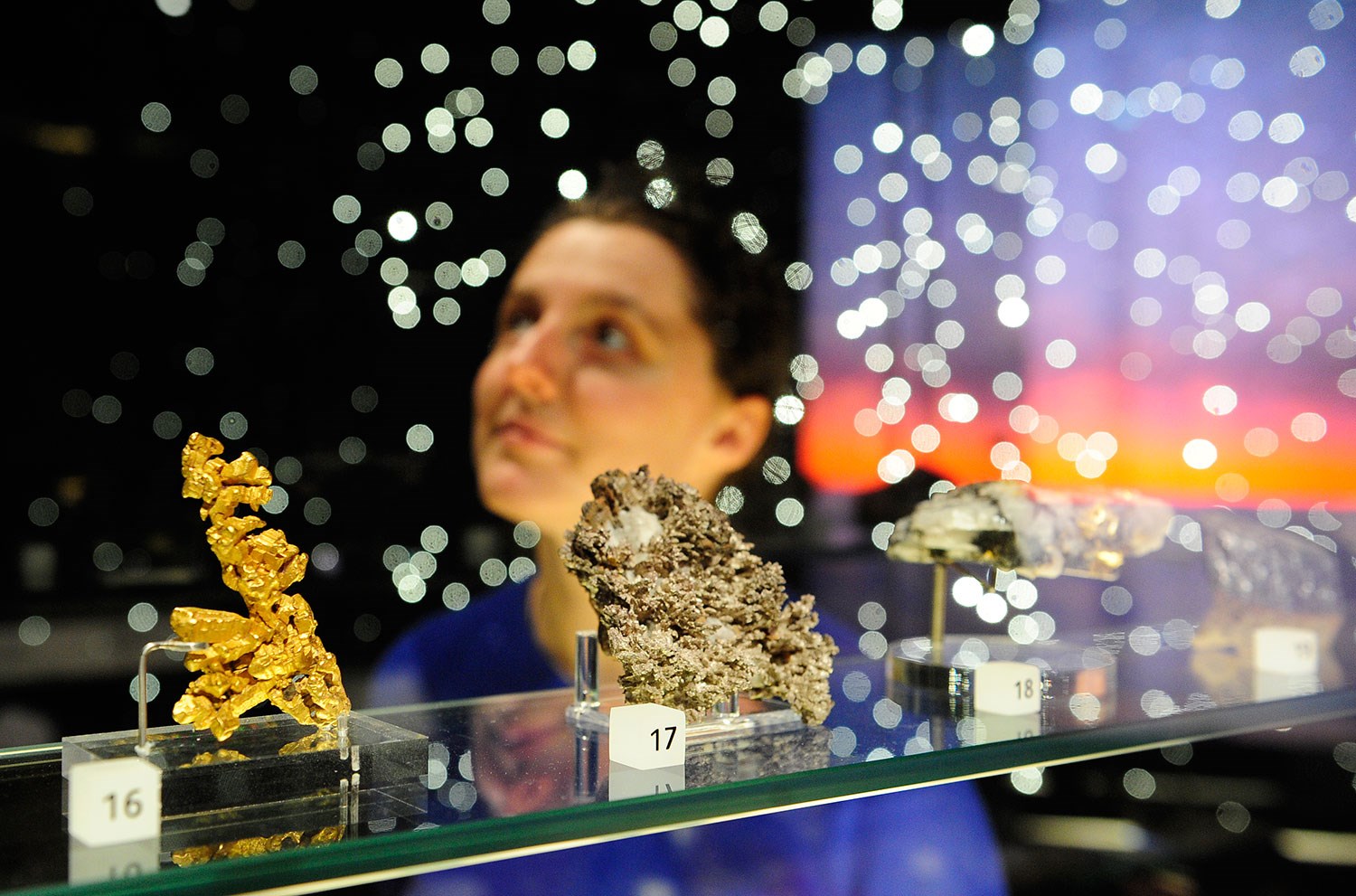
The Earth in Space gallery on Level 1.