Departments
Global Arts, Cultures & Design
Welcome to the Global Arts, Cultures and Design department. We research and care for the art, design and cultural collections from Africa, the Americas, Asia, Europe, and Oceania.
Our collections are open to researchers for research appointments. Please contact our staff to enquire.
Contact list of staff members
Global Arts, Cultures & Design
Our collections
Global Arts, Cultures and Design covers a wide range of objects from around the world, dating from the ancient to the present day.

Mediterranean, Africa, Americas and Oceania
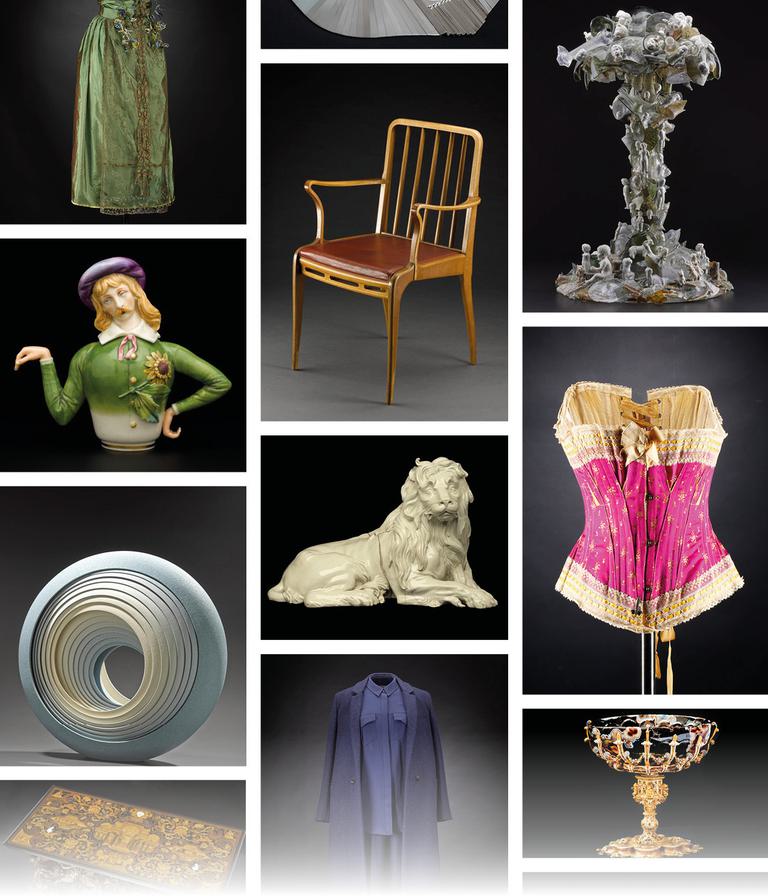
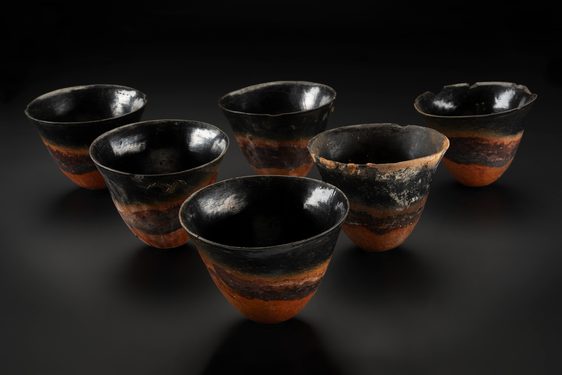
Over 35,000 objects, including textiles, pottery, jewellery, sculpture, coffins, musical instruments, tools, weapons, basketry, and contemporary art.
Modern and Contemporary Design
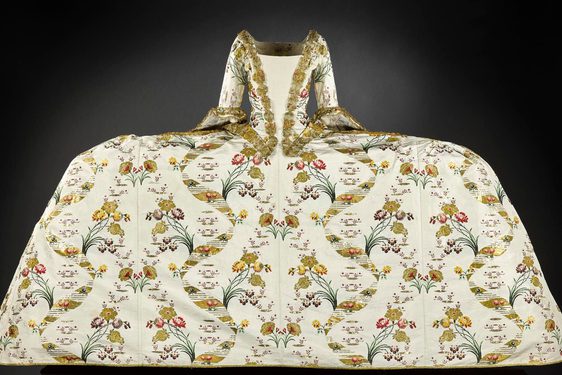
Over 35,000 objects dating from c.1850 to the present, including ceramics, jewellery, glass, metalwork, fashion and textiles, craft, contemporary furniture and product design.
What we do
We explore international collections in collaboration with our diverse audiences with the aim of deepening understandings of Scotland’s relationship with the world.

Global Arts, Cultures & Design stories

'I am yours': 11 Scottish posy rings
History and cultures, Scotland
Written by Dr Georgia VullinghsPosy rings are some of the most evocative objects of love in National Museums Scotland's collections. These finger rings are named for the short inscriptions engraved on the inside of their band.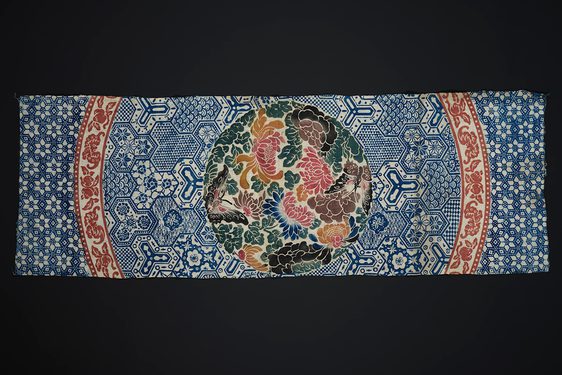
The material lives of ordinary people: rare 19th century Chinese cotton
Fashion and textiles, History and cultures
Written by Dr Rachel SilbersteinWhen you think of historical Chinese dress, what material comes to mind? Most people would probably assume silk. But the majority of the population in Qing dynasty China (1644-1911) actually wore cotton.However, this reality is not…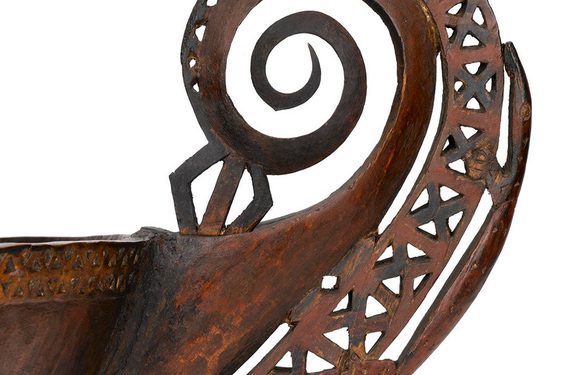
Fit for a Feast: intricate carved bowls from Lou Island
History and cultures
Written by Dr Ali ClarkThis large wooden bowl is from Lou Island, part of the Admiralty Islands. Used for large feasts it is the most distinctive type of carved bowl from the area due to its decorative carved handles.