About Cold War Scotland
Cold War Scotland explored the stories of Scots at the centre of this global conflict.
The Cold War was a 40-year nuclear stand-off between the USA and the Soviet Union after the Second World War. Scotland’s unique landscape provided a useful base for Allied military preparations and research.
The impact of the war still lingers in Scottish politics, culture and memory. Scots played an active role in the global conflict as soldiers within intelligence services and as part of voluntary civil defences. The exhibition drew on Scotland’s rich history of Cold War-era protest and activism.
Cold War Scotland was an output of Materialising the Cold War, a collaborative research project between National Museums Scotland and the University of Stirling. The project explored how the Cold War heritage is represented and how museums can adapt to tell this story in future. Materialising the Cold War was funded by a major grant from the Arts and Humanities Research Council.
Exhibition highlights
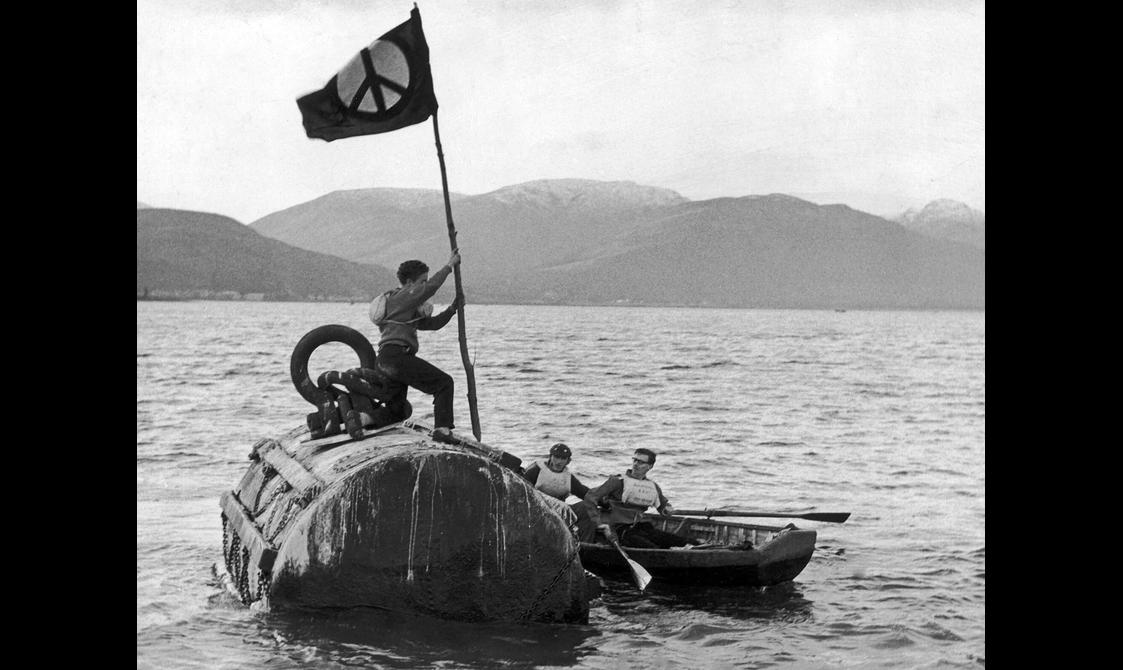
Polaris demonstration at Holy Loch, 3 February 1961.
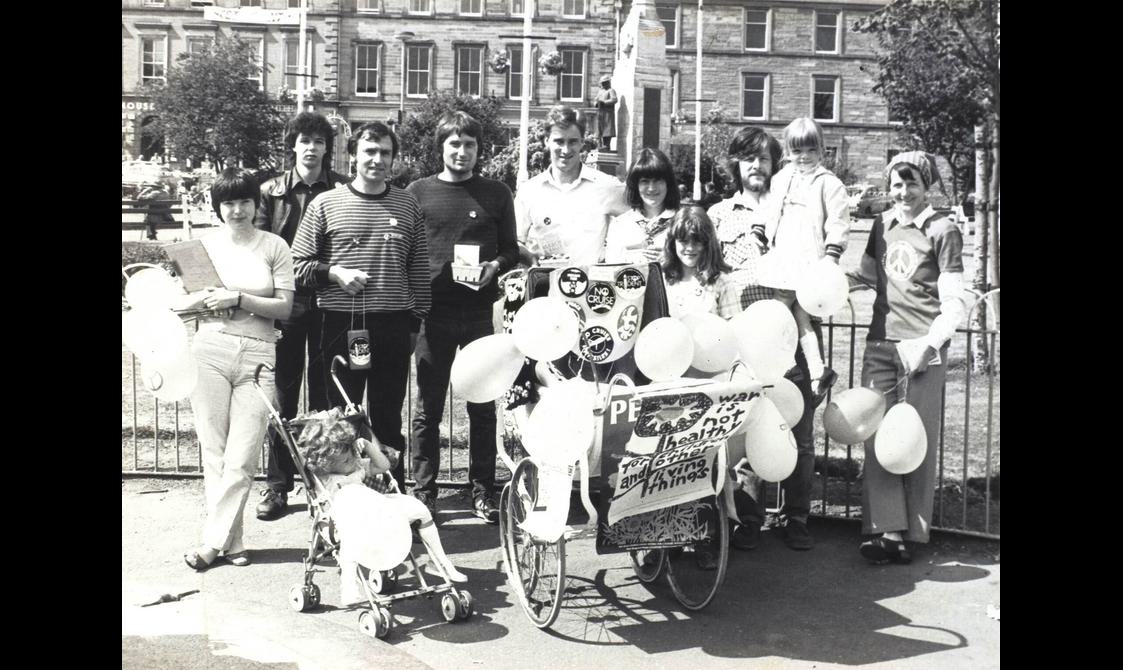
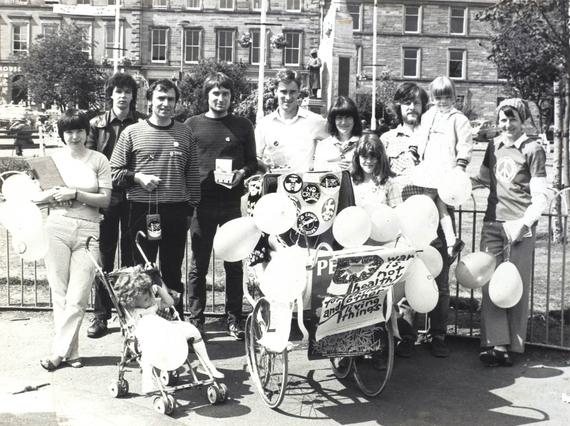
Campaign For Nuclear Disarmament Protest Glasgow, c1980s.
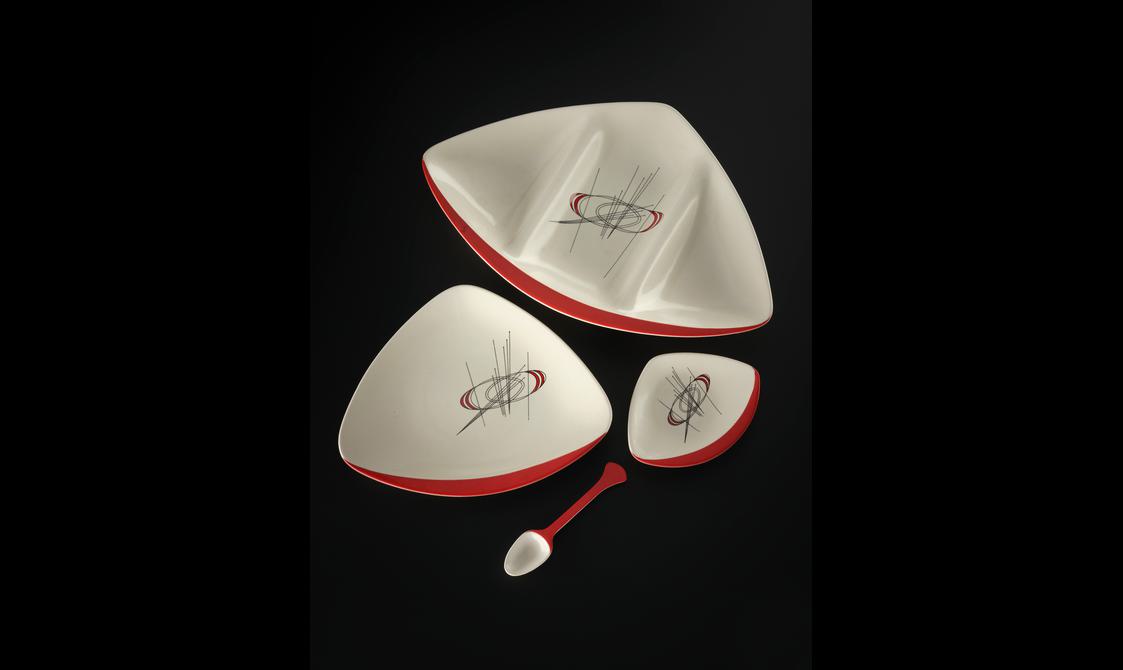
Orbit pattern earthenware platter, side plate, jam dish and spoon. Designed by Peter Forster, Carlton Ware Ltd, c1957. (K.2018.16.1-4)
Exhibition stories
- Discover
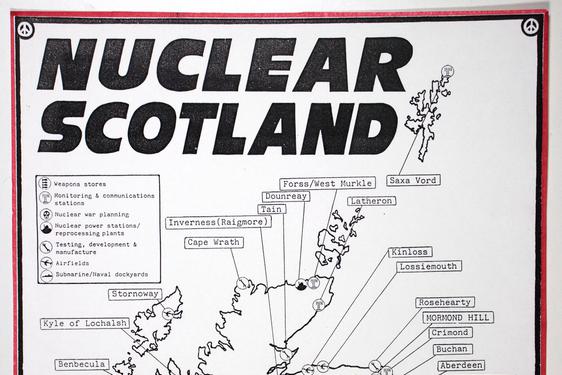
Nuclear Scotland during the Cold War
Nuclear power and nuclear weapons dominated the Scottish landscape, and people’s minds, during the Cold War. In 1959, Chapelcross, in Annan in southwest Scotland, became one of the first civil-military nuclear power stations in the world.… - Discover
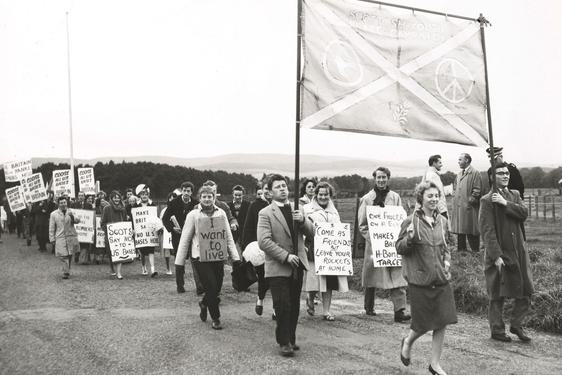
The Cold War and Scottish society
Cold War ideologies and cultures had a direct impact on Scottish society. Scotland was the site for cultural and political exchange from both sides of the Cold War across the 20th century. Politicians from both sides represented their… - Discover
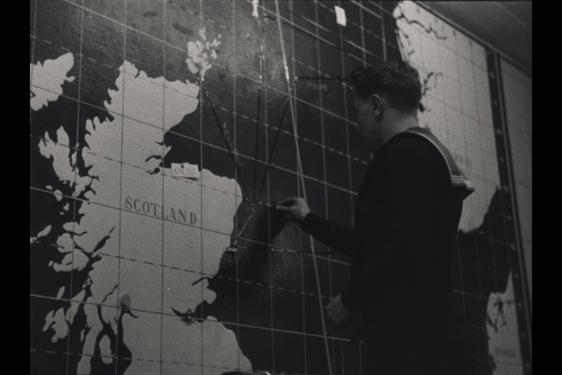
How Scotland became a Cold War Battleground
After the Second World War, Western and Soviet tension increased over plans for Germany. Western allies looked for collective security, and in April 1949 the North Atlantic Treaty organisation (NATO) was created. Scotland had huge…
You might also like
- Discover
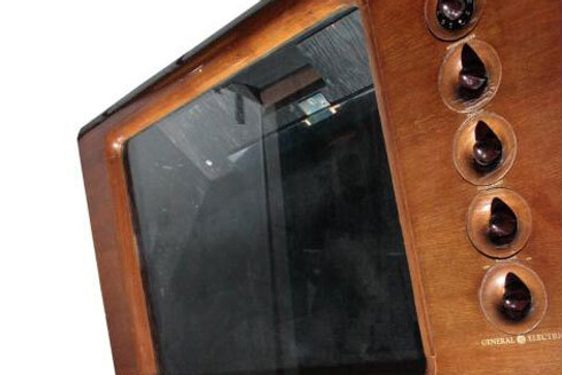
The first ever colour television
The oldest known surviving colour television in the world is held in the National Museum of Scotland collection. It was manufactured in 1946 by General Electric in the USA for the Columbia Broadcasting Service (CBS) and is the only one of… - Discover
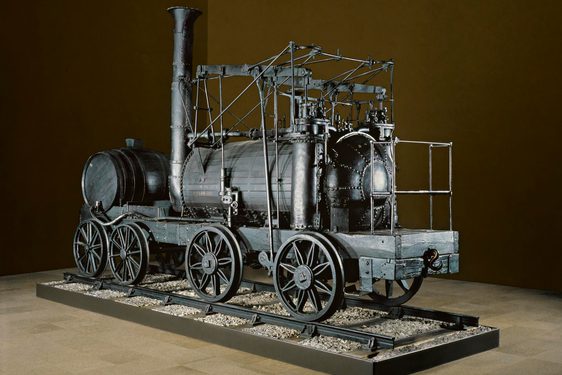
Wylam Dilly: One of the world's oldest locomotives
Wylam Dilly is one of the world’s two oldest surviving locomotives. Built in 1813, it used to pull coal along the Wylam Wagonway to the river, near Newcastle upon Tyne.The Wylam Dilly steam locomotive is named after the Wylam Colliery,… - Discover
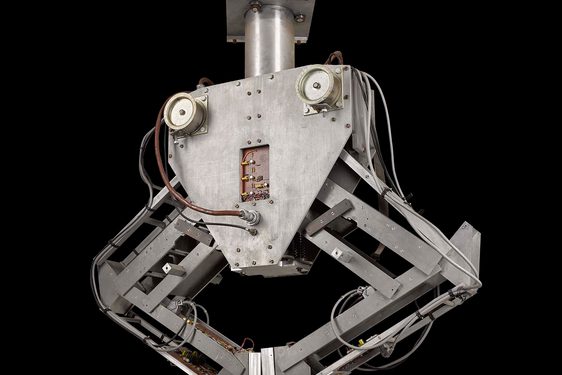
Freddy the Robot: A 1970s glimpse into the future
Developed in the 1970s at the University of Edinburgh, Freddy the Robot was the world’s first 'thinking robot' to combine a seeing eye and a feeling hand. It was part of an important era in robotic development, and was amongst the first…