Natural World galleries
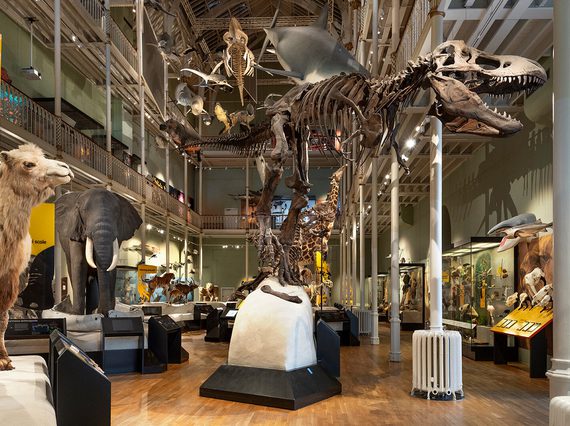
Hundreds of fascinating animals are brought together in our Natural World galleries to illustrate the extraordinary variety of life on earth.
Our much-loved Tyrannosaurus rex guards the entrance to a stunning series of galleries about our precious planet. Here we ask the big questions: how does the world work? What do we know about it? What is our place in the universe?
Galleries to visit
Animal World
Location: Level 1
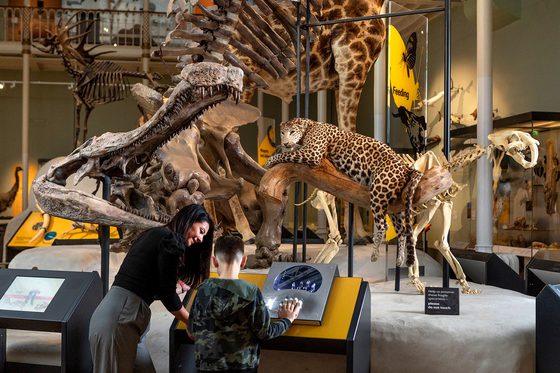
Our dramatic Animal World gallery introduces the main themes of behaviour and interaction with the environment. Here you can explore the lives of animals from around the world, from the Arctic to Australia, and even see how you measure up – do you weigh more than a chimpanzee?
Earth in Space
Location: Level 1
Next to our animal galleries, Earth in Space explores our place in the universe and how our understanding of it has developed. Explore astronomy with our magnificent orrery and mighty Schmidt telescope.
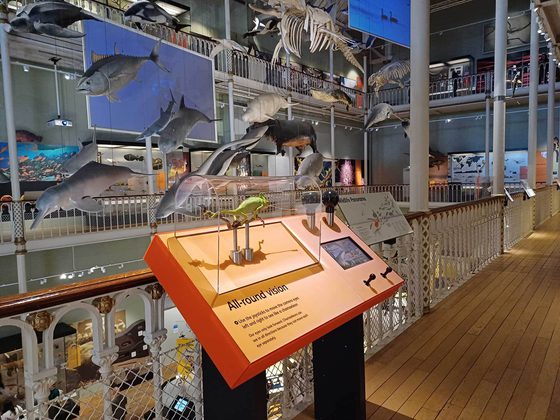
Animal Senses
Location: Level 3
Use your senses to learn how animals communicate with each other in our Animal Senses gallery.
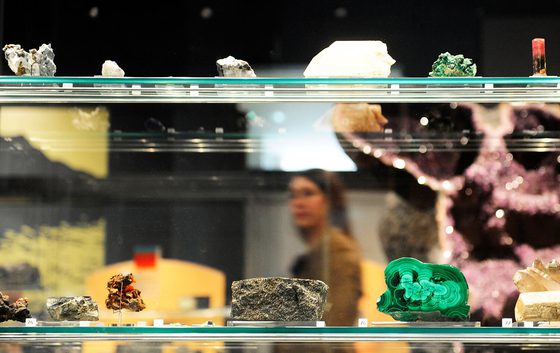
Restless Earth
Location: Level 3
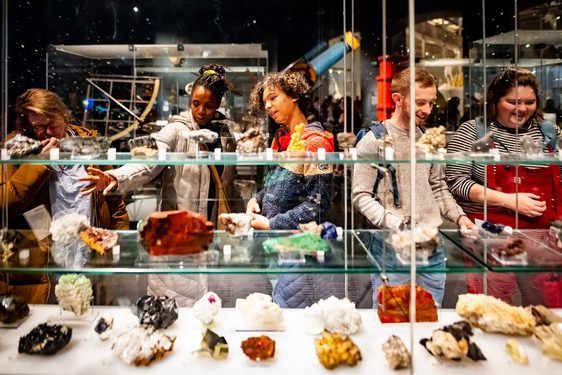
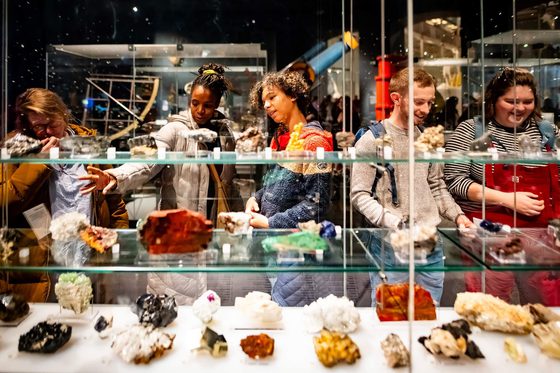
Restless Earth investigates the geological processes that constantly shape and reshape the planet. Find natural processes in action with our rich geology collection and come face to face with a huge amethyst geode- it's almost two metres high!
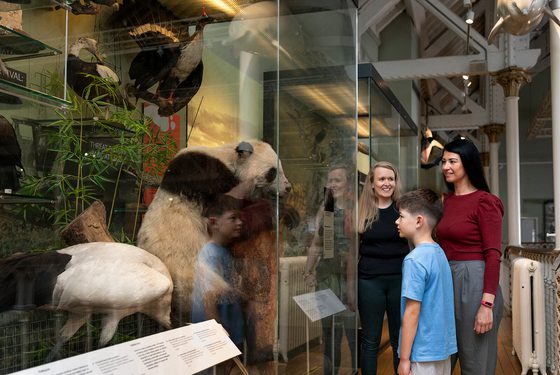
Survival
Location: Level 5
Learn how animals have evolved to thrive – or faced extinction.
Meet endangered species such as Ching Ching the Giant Panda or our Scottish Wildcat, and marvel at the spectacular array of swimming and flying animals in the Wildlife Panorama.
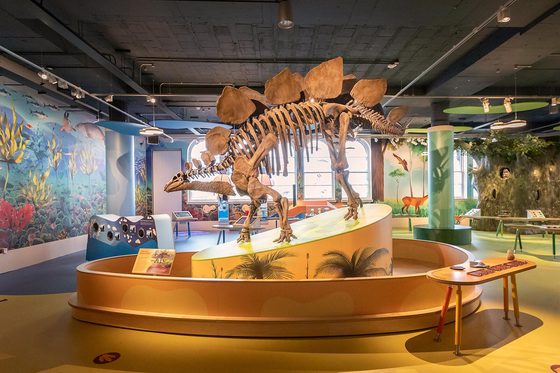
Adventure Planet
Location: Level 5
Adventure Planet is packed with fun interactives to encourage younger visitors to explore the challenges facing the natural world.
Why is an oak tree so full of life? What kinds of animals live at the bottom of the sea? What does extinct mean? Discover the answers to these questions and find out lots more about our amazing natural world.
Gallery highlights
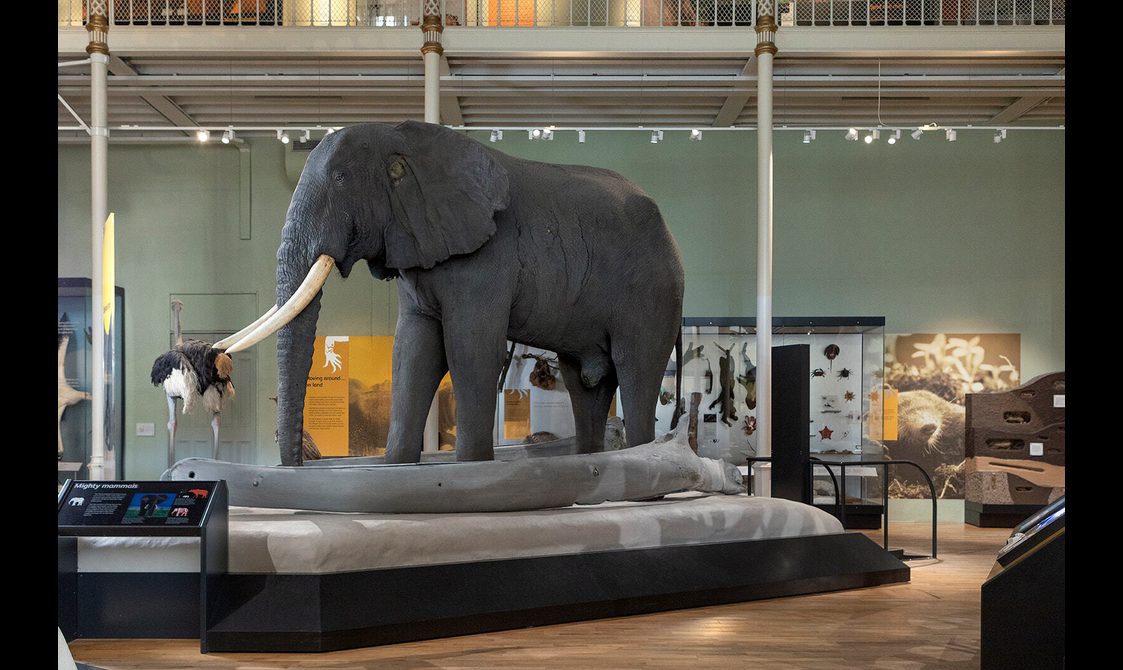
Loxodonta africana (Blumenbach), African elephant, Lado Enclave, north of the Great Lakes of Central Africa, 1904. On display in the Animal World gallery.
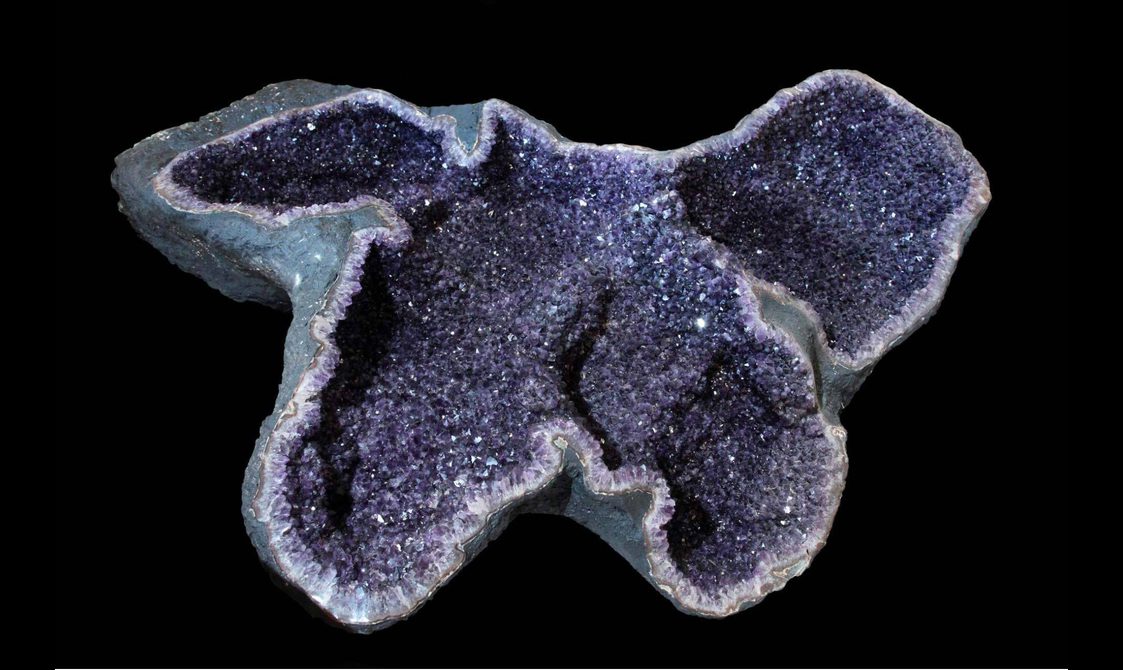
The interior of the amethyst geode on display in the Restless Earth gallery.
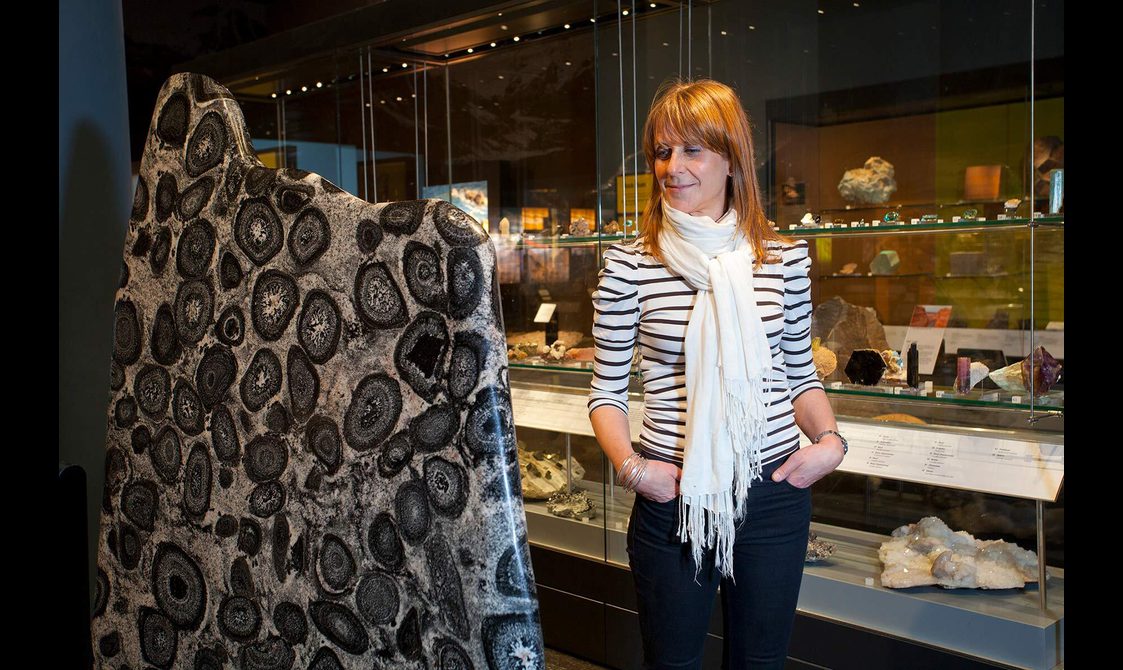
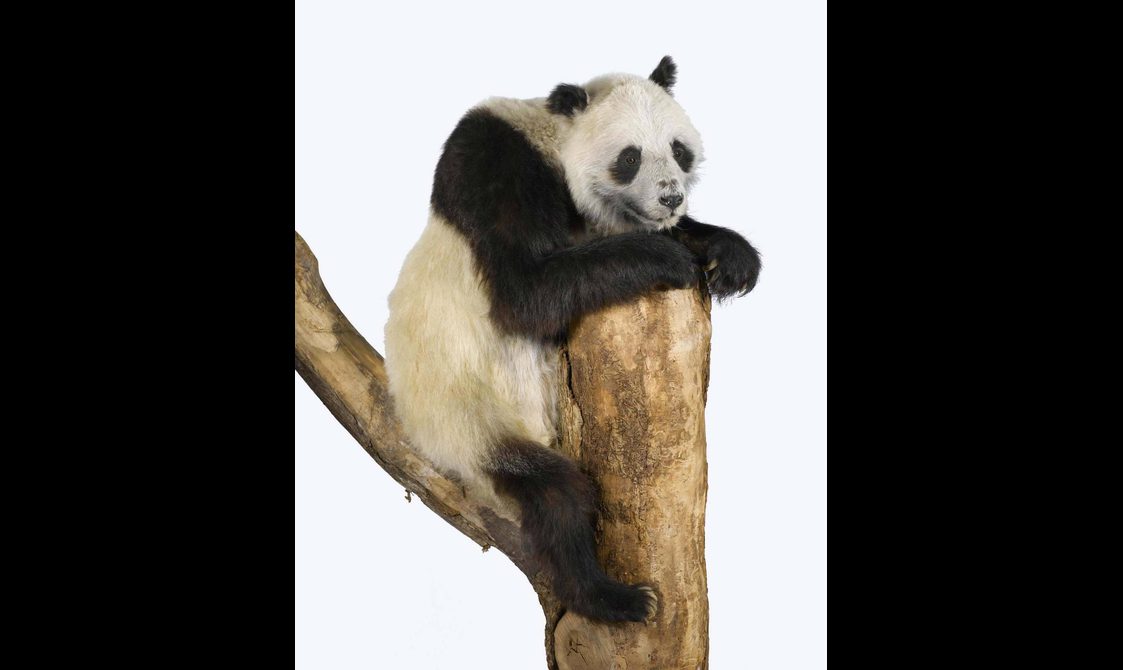
The giant panda, Ching Ching. On display in the Survival gallery, Level 5.
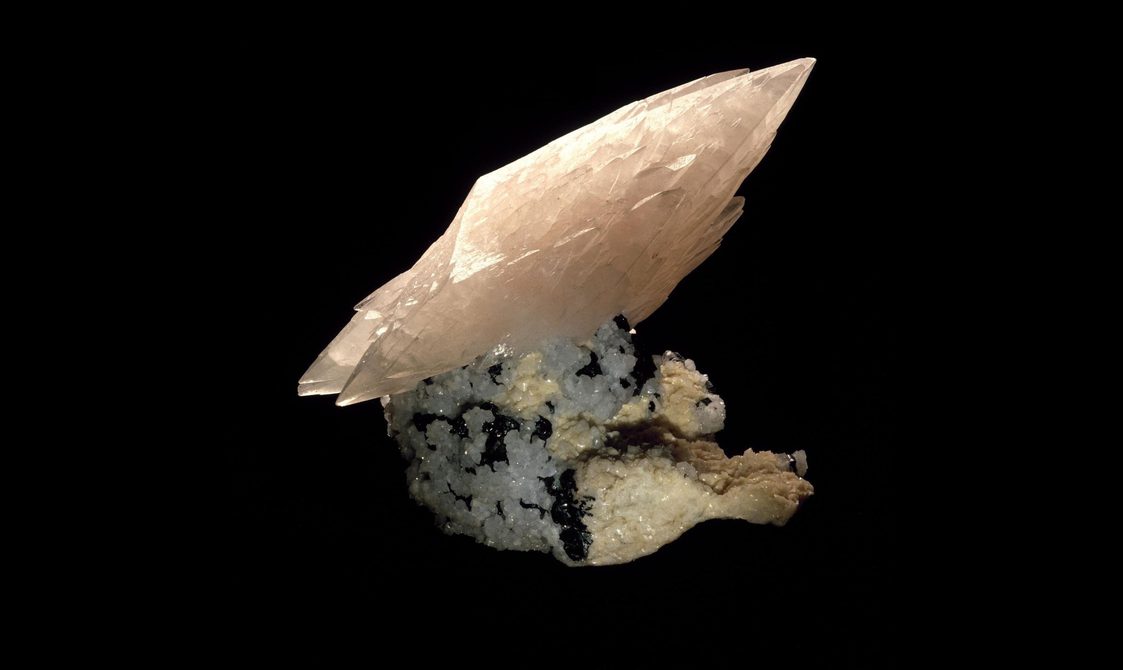
Calcite - large translucent pinkish scalenohedral twins on sphalerite - associated with quartz and chalcopyrite - from New Glencrieff Mine, Wanlockhead, Dumfriesshire.
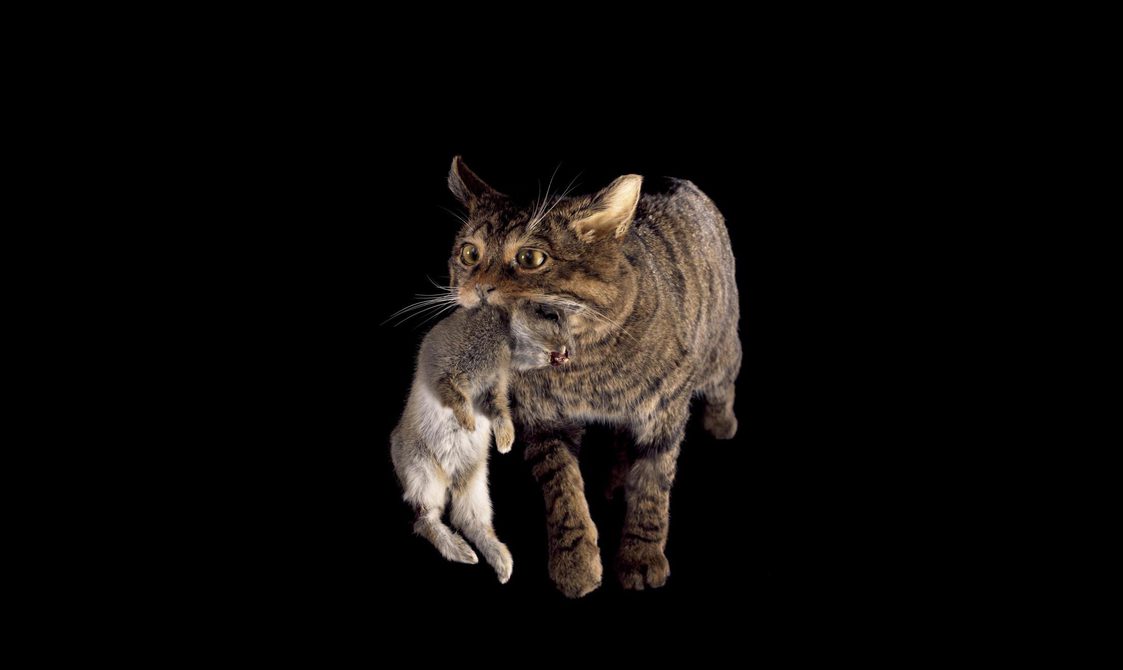
Scottish wildcat on display in the Survival gallery at National Museum of Scotland.
Stories from the galleries

Scotland in the time of Giants
Natural world, Scotland
Written by Dr Sarah StewartFollowing the extinction of dinosaurs and other animals such as marine reptiles 66 million years ago, smaller surviving animals evolved, and some became giants.
The Roaring Game: Scotland's curling stone island
Natural world
Written by Dr Bob GoodayDid you know that all curling stones are quarried on a small, uninhabited island in the Firth of Clyde called Ailsa Craig?
6 world-class type specimens in our stores
Natural world
Written by Professor Andrew Kitchener, Dr Rachel Walcott & Dr Andrew RossType specimens are among the most important objects in natural science collections. They are the specimens on which the scientific names of species of animals, plants or minerals are based. Animals and plants are named using the Linnaean…
What's in a firework? Minerals that bang
Natural world
Written by Emily BrownSo, you light a firework, you stand back and WHOOSH, off it shoots into the air. A few seconds wait and then BOOM, the firework explodes in a shower of coloured sparkles raining down from the sky. To get this sequence of events, you need…
Gallery accessibility
Getting to the galleries
Lifts and escalators
Lifts are available to all floors of the museum. You can check the museum map or ask a member of the Visitor Experience team for the nearest lifts. Information on lift dimensions is available on the AccessAble website.
In the galleries
Seating
There are seating options in the Natural World galleries, either in the form of permanent seats or foldable chairs. Please ask a member of the Visitor Experience team for the nearest seats.
Lighting and noise
The lighting levels range from low to high in the Natural World galleries in order to protect the objects on display.
These galleries have lots of interactives and can be noisy when busy.
Large screens hang from the ceiling of the Natural World galleries. They play videos on loop without any audio.
Check our sensory map to explore all the different sensory experiences in different parts of the museum.
Large print guides
Large print guides can be found in every gallery of the museum. Please remember to return them after use so that other visitors can use them.
Facilities
Toilets
Accessible toilets are available on Levels 0 and 3, as well as a Changing Places (U) toilet in the Entrance Hall on Level 0. You can access the museum map to find those nearest to you or ask a member of the Visitor Experience team.
Cloakroom and storage
Self-service lockers are located in the Entrance Hall. The lockers come in three sizes which accommodate coats and small bags right up to small flight cases.
There is buggy storage available in the museum. It is located on Level 1 of the Scotland galleries, behind the Kingdom of the Scots gallery.
Quiet spaces
If at any time you or someone you are visiting with finds the visit overwhelming, a member of staff can direct you to quieter areas in the museum. The sensory map also identifies the quieter spaces.
For full access information for the National Museum of Scotland buildings, find out more on our accessibility page.
You might also like

Natural Sciences department
Our Natural Sciences collections cover both life sciences and earth sciences.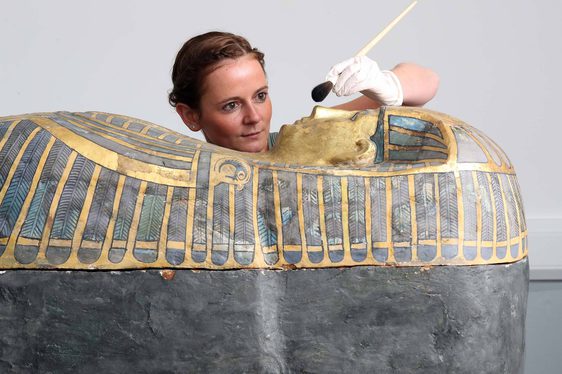
Search the collections
Our online database contains a selection of the 12 million objects and specimens in our collections.