Natural Sciences
Welcome to the Natural Sciences department. We research, maintain and monitor National Museums Scotland's Natural Sciences collections.
Where possible we would be happy to answer your queries about natural history specimens. Please contact natsci.enquiries@nms.ac.uk.
Please include as much detail as possible, including:
- A thorough description
- Clear images
- Where and when it was found
- Its approximate size
Our collections and specimens are open to researchers for examination where possible. Please contact our staff to enquire.
Contact list of staff members
Natural Sciences department
Our collections
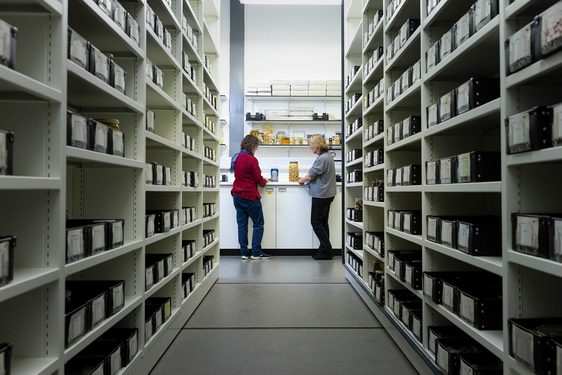
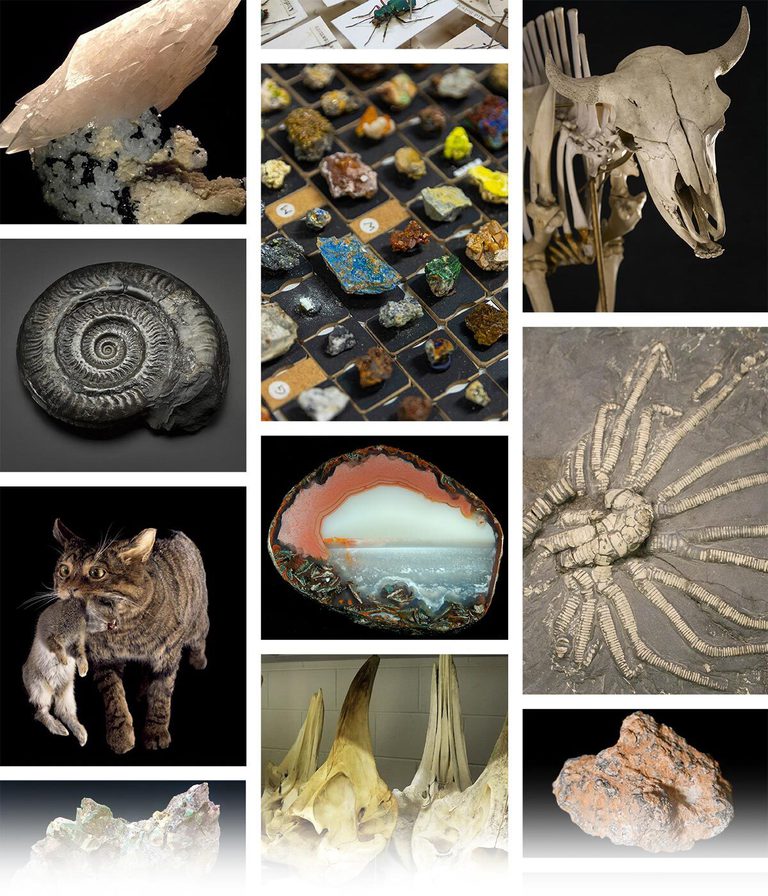
Our collections are global in terms of their content and most of the several million specimens held originate from efforts to better understand the natural world.

Earth Systems
Around 70,000 specimens representing Scotland’s geological history and global mineralogical diversity.
Invertebrates
Our Invertebrate collections date from the mid-1800s and contain the largest number of specimens in the museum.

Palaeobiology
Around 250,000 specimens covering all the major groups of fossil invertebrates, vertebrates, plants and trace fossils.
Vertebrate Biology
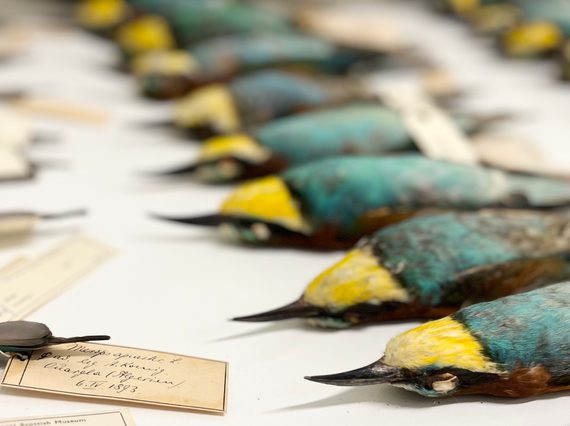
More than 200,000 specimens, including skins, skeletons, eggs, nests, wet specimens, tissue samples, fossils and archaeological remains.
What we do
Our scientists undertake research in a number of areas ranging from phylogenetics, biometrics, biodiversity informatics, biodiversity monitoring, biogeography and taxonomy, to tectonic geomorpology, gemmology, topographical mineralogy, volcanology, palaeoecology, palaeoentomology and palaeoneurology.
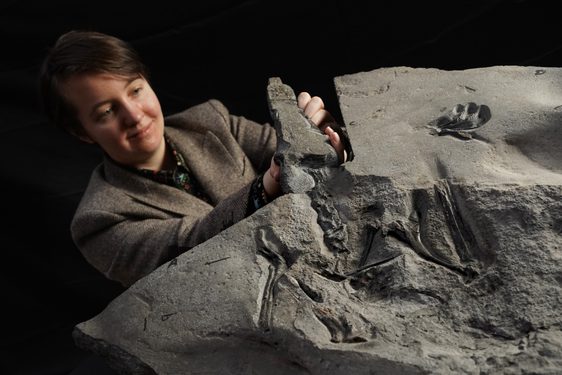
Digitising natural science collections
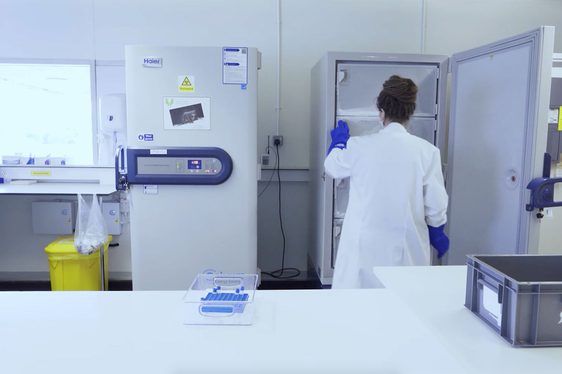
National Museums Scotland is excited to be contributing to the development of the DiSSCo project. This is a major initiative spearheaded by the Natural History Museum to digitise and aggregate the natural sciences collections across the UK. Read more about the project.
Natural Sciences stories

Scotland in the time of Giants
Natural world, Scotland
Written by Dr Sarah StewartFollowing the extinction of dinosaurs and other animals such as marine reptiles 66 million years ago, smaller surviving animals evolved, and some became giants.
The Roaring Game: Scotland's curling stone island
Natural world
Written by Dr Bob GoodayDid you know that all curling stones are quarried on a small, uninhabited island in the Firth of Clyde called Ailsa Craig?
6 world-class type specimens in our stores
Natural world
Written by Professor Andrew Kitchener, Dr Rachel Walcott & Dr Andrew RossType specimens are among the most important objects in natural science collections. They are the specimens on which the scientific names of species of animals, plants or minerals are based. Animals and plants are named using the Linnaean…