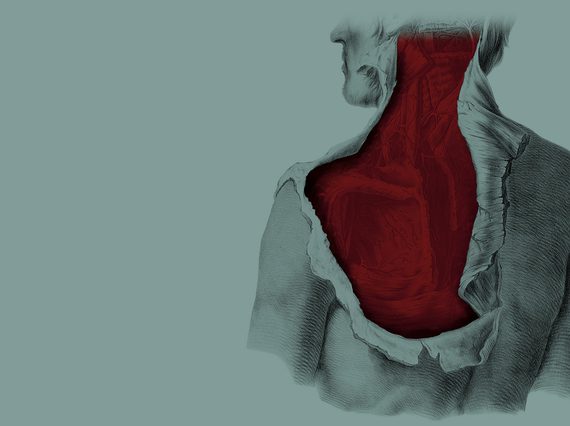
This exhibition explored the history of anatomical study, from artistic explorations by Leonardo da Vinci to the Burke and Hare murders.
"Gripping"
"...brings the whole story closer..."
"First-rate exhibition"
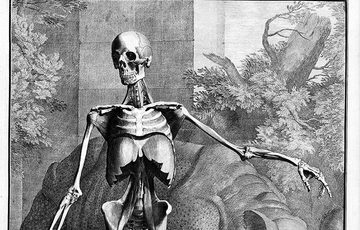
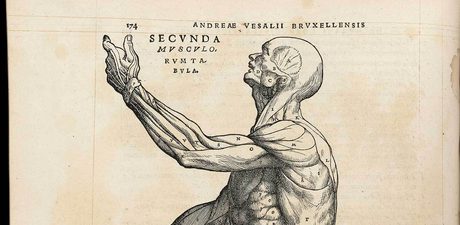
Charting 500 years of medical exploration, the exhibition considered the social and medical history surrounding the dissection of human bodies. The role anatomy played in the Enlightenment, the links between science and crime in the early 19th century, and the approaches to anatomical study today were also highlighted.
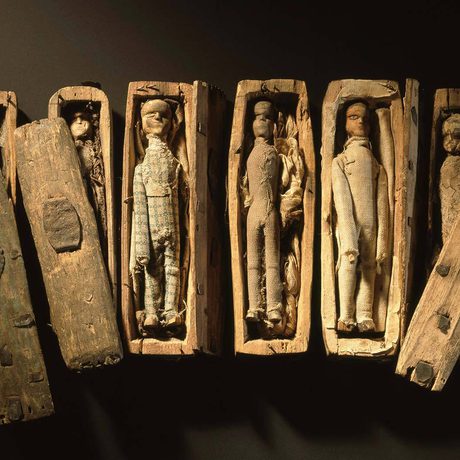
On display were early examples of anatomical art, a full-body papier-mâché model produced in the workshops of pioneering 19th century model maker Louis Auzoux, and William Burke’s skeleton and handwritten confession. National Museums Scotland’s own collections on display included a ‘mort safe’, a heavy iron box placed over a coffin to deter would-be body snatchers, and the Arthur's Seat miniature coffins.
Exhibition highlights
You might also like

Community buyouts in the islands
Scotland
This film explores objects that document community buyouts in the islands of Eigg and Ulva.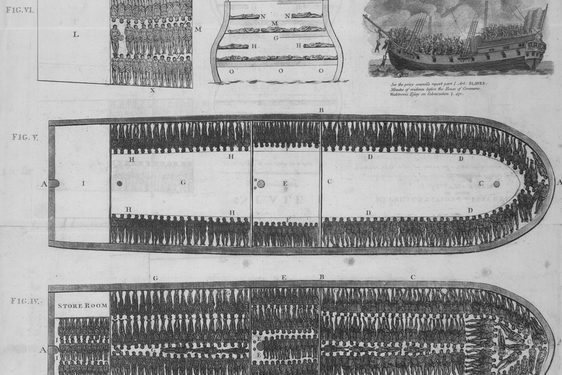
The experiences of enslaved people
Written by Lisa WilliamsStowage of the British Slave Ship ‘Brookes’British ships transported over 3 million African people between 1662 and 1807, with up to 25% of all captive people dying on the journey. The first captive might have had to wait as long as seven…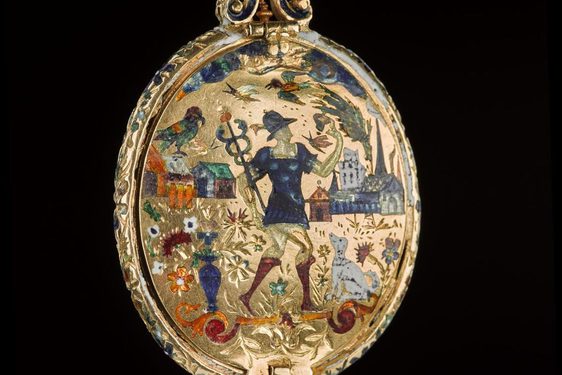
The secrets of the Fettercairn Jewel
Art and design, History and cultures, Scotland
Find our more about this rare jewelled and enamelled locket, and how it could shed new light on the Scottish Renaissance.