
Vertebrate Biology
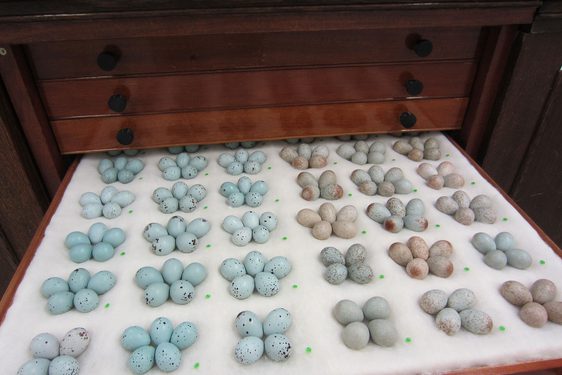
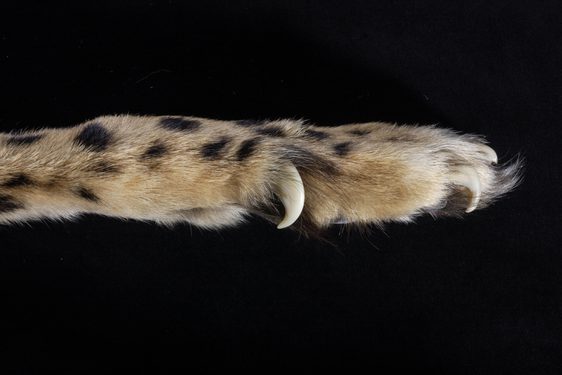
The Vertebrate Biology collections comprise more than 200,000 specimens from around the world, including skins, skeletons, eggs, nests, wet specimens, tissue samples, fossils and archaeological remains.
We continue to develop our collections so that they remain relevant for research today and into the future.
However, historical collections allow researchers to look back into the past with new techniques to extract DNA or measure levels of stable isotopes to see how species have changed over time.
The collections are used by our staff and visiting researchers, for studies on anatomy, functional morphology, geographical variation, phylogeography, hybridisation, conservation biology and animal welfare.


Meet the team


Research Associates
Vertebrate Biology stories

The pioneering women of ornithology
Natural world, Scotland
Known as ‘the good ladies' of bird collecting, Dr Evelyn Baxter (1879–1959) and Leonora Rintoul (1878–1953) were born one year and just a few miles apart, in Fife. Together they devoted their lives to collecting and studying the birds of…
Where do taxidermy animals come from?
Natural world
If you’ve ever visited the Natural World galleries at the National Museum of Scotland, you will be no stranger to animal taxidermy. From echidnas to elephants, voles to vampire bats, it’s quite the spectacle. But have you ever wondered…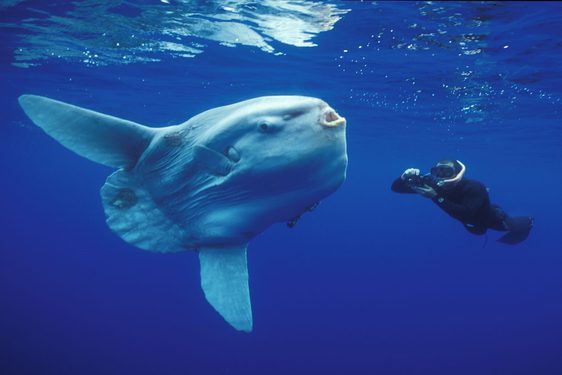
The peculiar sunfish that washed up on Scottish shores
Natural world
On 23 September 2020 a strange fish washed up on the Black Isle near Inverness. Weighing more than 160kg and measuring 1.7 metres tall, it was the peculiar ocean sunfish. Rarely seen off the coast of the United Kingdom, the team at…


