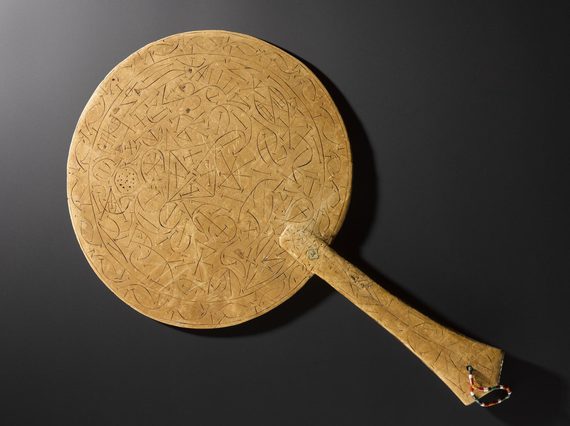
Data, Race and Empire: African Health, Scottish Missions and the Information Strategies of Dr Archibald Hewan (1832-1883)
Last updated: 18 November 2025
About the research
Historical research is currently unveiling the communication strategies of actors who did not qualify for the typical hegemonic norm of white male expertise within the formation of modern science. In nineteenth-century Britain, when the ideology of the coloniser constructed racial hierarchies as scientific knowledge, the work of Black physicians often diverged and was even oppositional.
This doctoral project aims to explore the scientific agency of one such physician: Dr Archibald Hewan (1832-1883). As a Jamaican medical missionary of the Free Church of Scotland in Old Calabar (now Calabar, Nigeria), his life and work offer insights into the convergences of science, belief and non-normative expertise. His collection of artefacts and data, which were sent from West Africa to Scotland, makes him a key co-creator of transatlantic networks of science. By analysing his collecting practices and the use (or non-use) of such ‘objects of knowledge’ at the National Museum of Scotland, we can unravel his role and reaction to the epistemological contexts of imperialism and pseudo-scientific racism.
Emmy Östberg, Student, Doctoral research project.
- Project title
Data, Race and Empire: African Health, Scottish Missions and the Information Strategies of Dr Archibald Hewan (1832-1883)
- Project active
October 2025 - September 2029
- Funder
- University supervisors
Prof Matthew Daniel Eddy, Prof Justin Willis, and Prof Hannah Brown - Durham University; Prof Linda Andersson Burnett (external advisor) - Uppsala University
- National Museums Scotland supervisor
- Research themes
History of collecting and data, transatlantic scientific networks, racial identities
Project contact
Dr Zachary Kingdon
Header image: Wooden fan decorated with nsibidi graphic symbols: West Africa, Nigeria, South Eastern State, Calabar, Efik or Ibibio people, 1850s. Museum reference: A.400.30.
Related to this project

Ancestral Connections in Contemporary Niue Textiles
Fashion and textiles, History and cultures
Written by Dr Ali ClarkThese two hiapo (barkcloth) artworks by artist Cora-Allan Twiss reference the natural landscape and textile traditions of Niue and Scotland.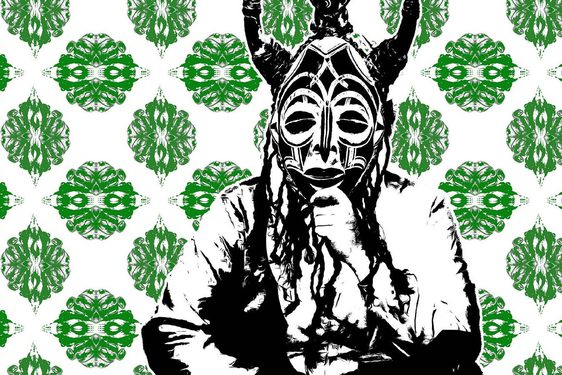
Exploring European and West African identity in Nkem Okwechime's Okolo
History and cultures
Informed by his research of National Museums Scotland's African collections, 'Okolo' by Scottish-Nigerian artist and printmaker Nkem Okwechime looks at the intersection of European and West African identity.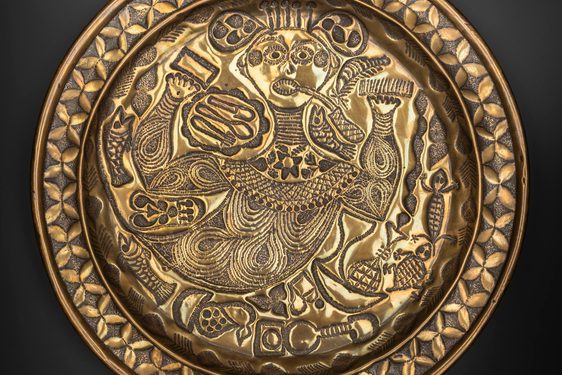
The African spiritual tradition of Mami Wata (Mother Water)
Written by Lisa WilliamsMami Wata (Mother Water) is an African spiritual tradition that encompasses worship of a pantheon of water spirits. Especially popular in South East Nigeria among the Efik, Ibibio, Igbo and Annang people, trading routes expanded Mami…