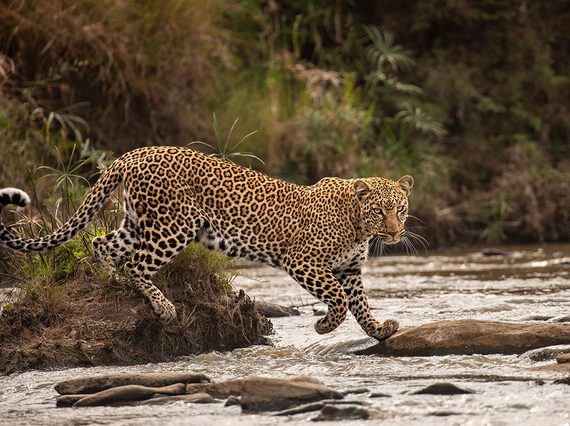
About Wildlife Photographer of the Year 2023
In this world-renowned exhibition, on loan from the Natural History Museum in London, see exceptional images which capture fascinating animal behaviour, spectacular species and the breath-taking diversity of the natural world.
Wildlife Photographer of the Year is the most prestigious photography event of its kind, providing a global platform that showcases some of the best photography talent from around the world for nearly 60 years.
Launching in 1965, the competition receives entries from 95 countries all over the world, highlighting its enduring appeal. The 2023 competition attracted an astounding 49,957 entries from photographers of all ages and experience levels and, during an intense week at the Natural History Museum in London, entries were judged anonymously on their creativity, originality, and technical excellence by an international panel of industry experts.
The international tour of the award-winning images will allow them to be seen by well over a million people. Using photography's unique emotive power to engage and inspire audiences, the images shine a light on stories and species around the world and encourage a future of advocating for the planet.
To find out more about our ongoing work on sustainability and biodiversity across our sites and in our work read our Strategy for Sustainability.
Competition entries
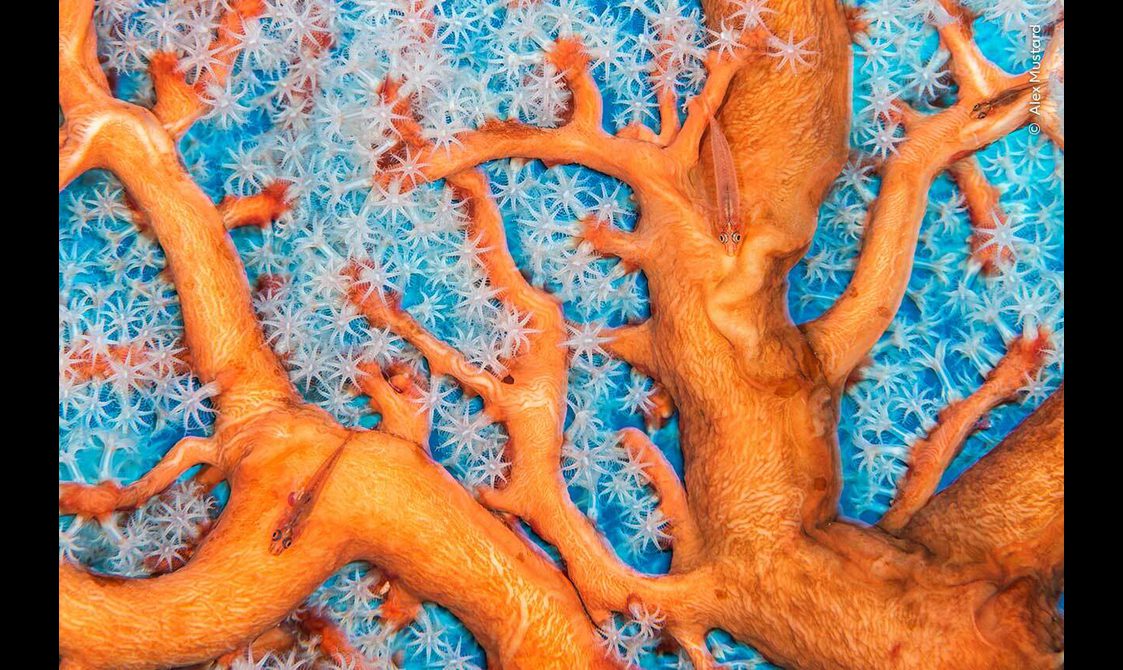
Coral connections by Alex Mustard, UK Highly commended, Under Water, Wildlife Photographer of the Year
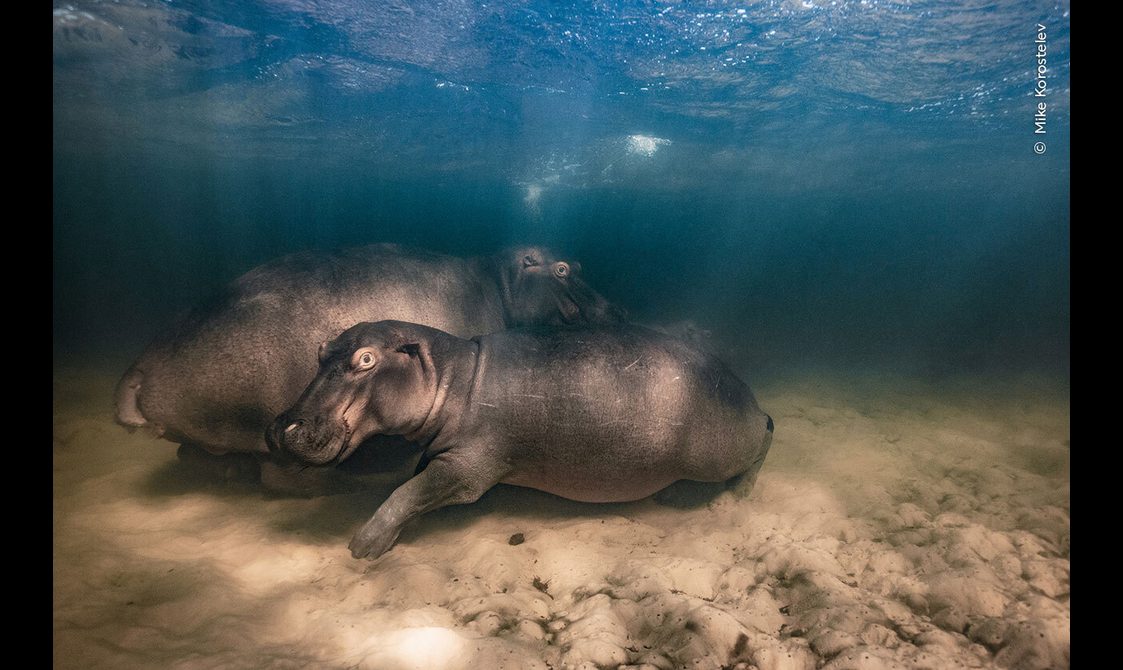
Hippo Nursery, Mike Korostelev.

'The Survivor' - an Arctic fox.
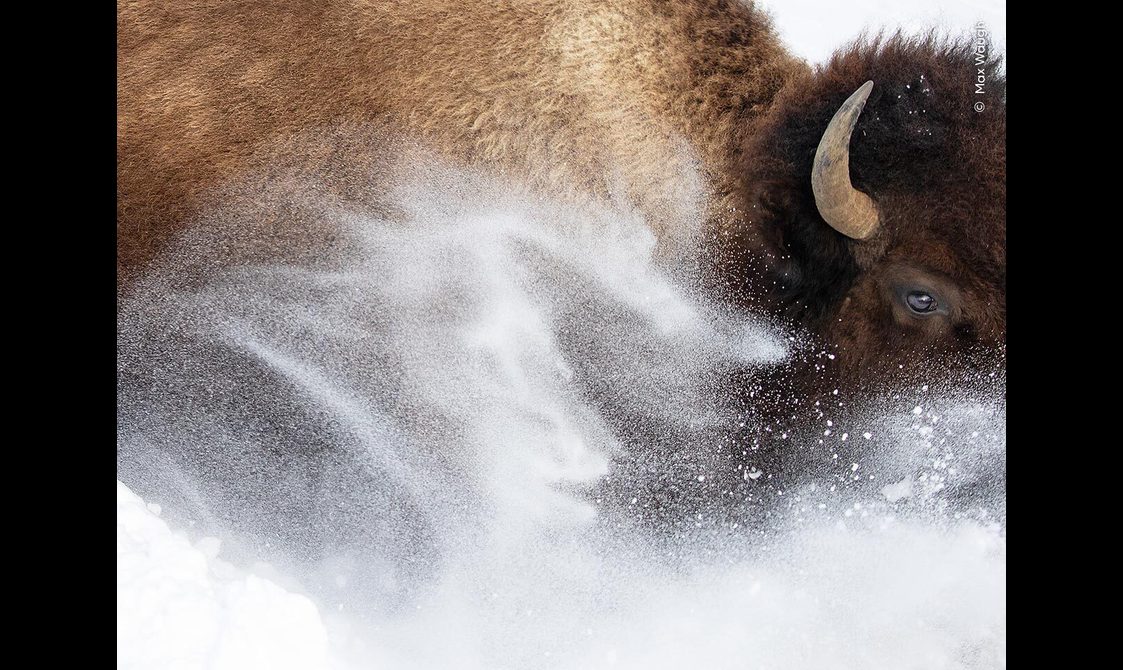
Snow bison by Max Waugh, USA Highly commended, Animal Portrait, Wildlife Photographer of the Year.
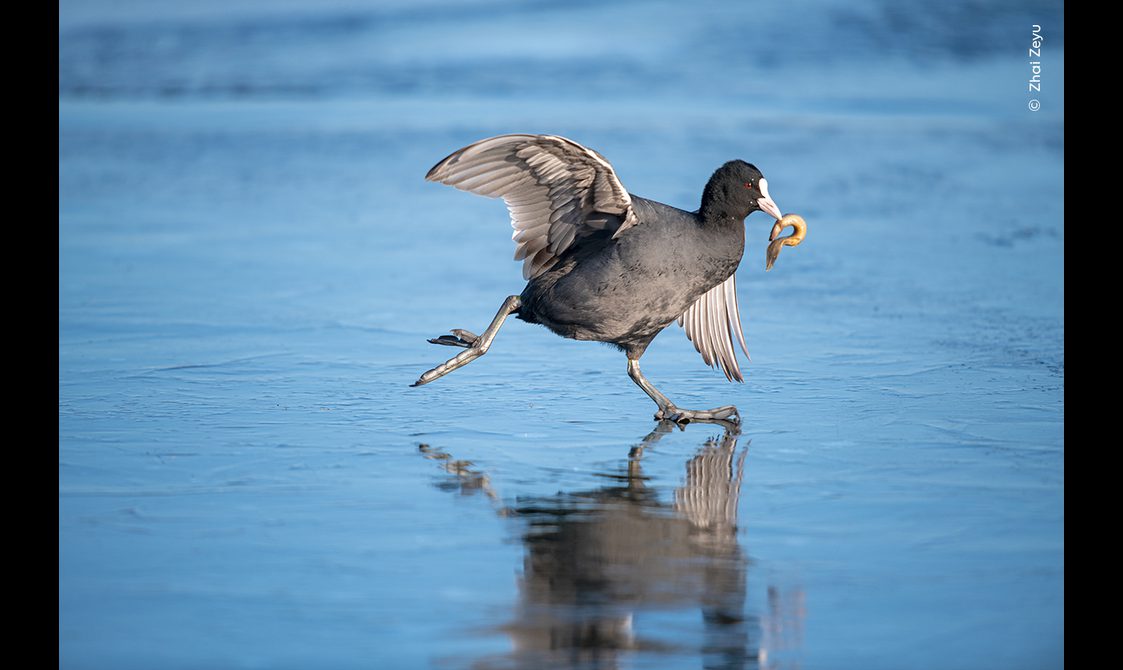
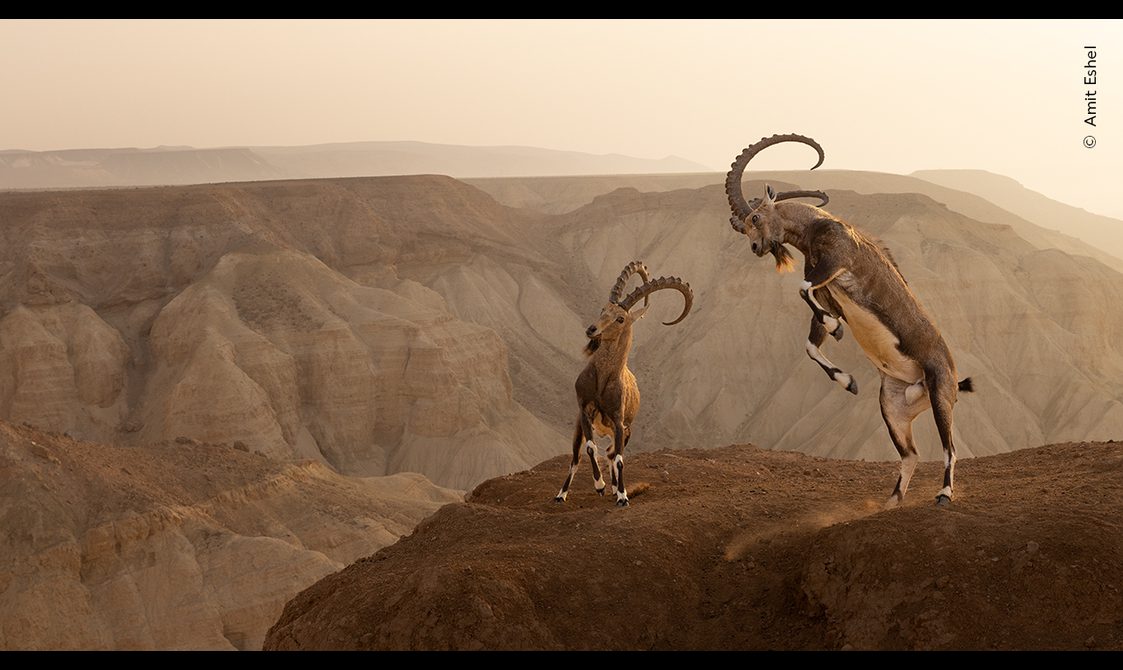
Exhibition developed by the Natural History Museum in London.

Venue supported by players of People’s Postcode Lottery.

You might also like

The folky tale of the mineral tacharanite
Natural world
This mineral got its name from how it behaves when exposed to air, but with a Scottish folkloric twist!Tacharanite occurs in nature as bundles and little spheres of silky white fibres in altered basalt rocks. It's found in several…
Geology to Jewellery: The history and science of Cairngorm quartz
Natural world, Scotland
Written by Emily Brown & Dr Sarah LaurensonThere is a whole fascinating world of Scottish minerals, reflecting the large variation in the country’s geology and physical landscape.The sheer variety is expressed beautifully by John Ruskin. In 1884 he described Scotland as ‘a country…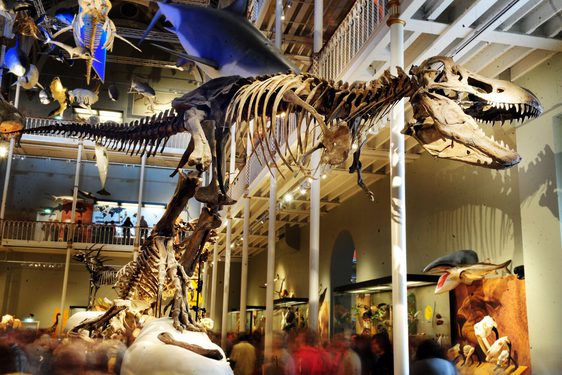
Tyrannosaurus rex
Archaeology, Natural world
It is 66 million years since Tyrannosaurus rex (T. rex) actually walked the earth. But the T. rex at the National Museum of Scotland brings people as close as possible to appreciate the scale and power of the real thing.