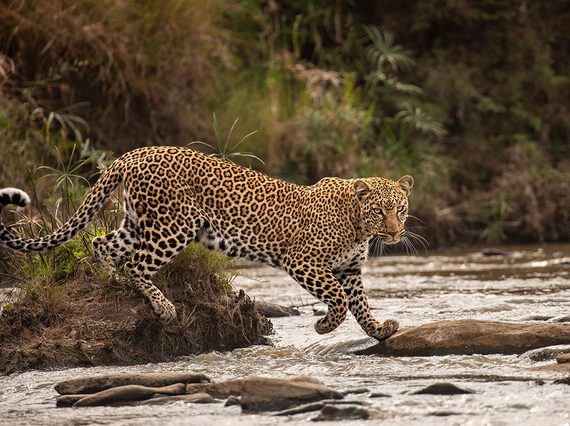
In this world-renowned exhibition, on loan from the Natural History Museum in London, see exceptional images which capture fascinating animal behaviour, spectacular species and the breath-taking diversity of the natural world.
Wildlife Photographer of the Year is the most prestigious photography event of its kind, providing a global platform that showcases some of the best photography talent from around the world for nearly 60 years.
Launching in 1965, the competition receives entries from 95 countries all over the world, highlighting its enduring appeal. The 2023 competition attracted an astounding 49,957 entries from photographers of all ages and experience levels and, during an intense week at the Natural History Museum in London, entries were judged anonymously on their creativity, originality, and technical excellence by an international panel of industry experts.
The international tour of the award-winning images will allow them to be seen by well over a million people. Using photography's unique emotive power to engage and inspire audiences, the images shine a light on stories and species around the world and encourage a future of advocating for the planet.
To find out more about our ongoing work on sustainability and biodiversity across our sites and in our work read our Strategy for Sustainability.
Competition entries
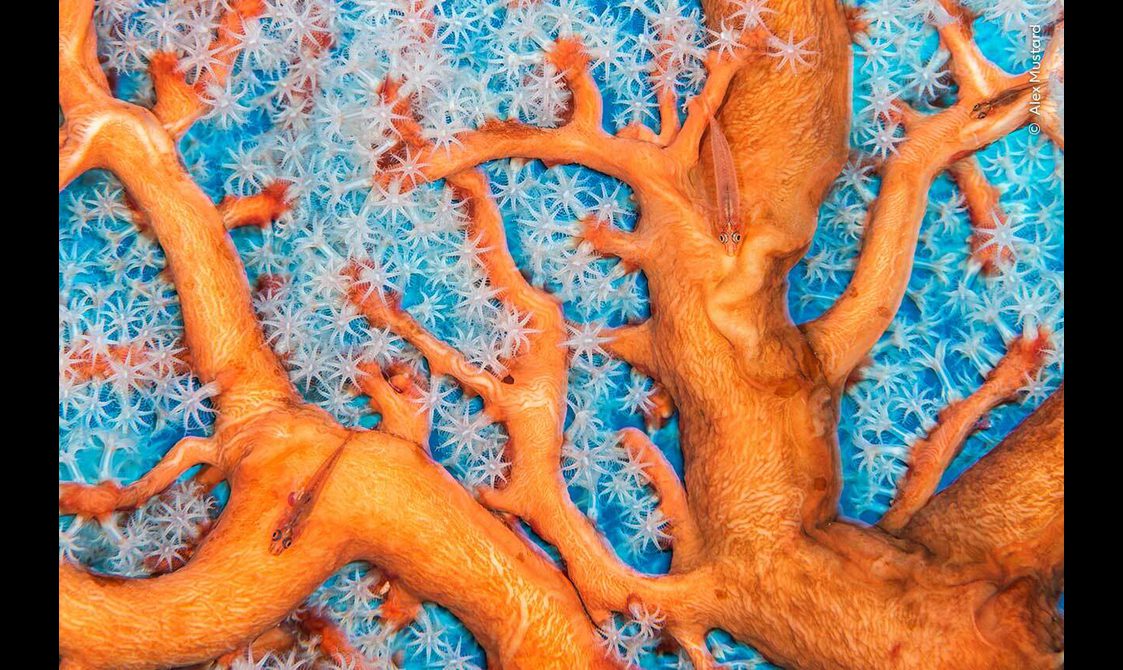
Coral connections by Alex Mustard, UK Highly commended, Under Water, Wildlife Photographer of the Year
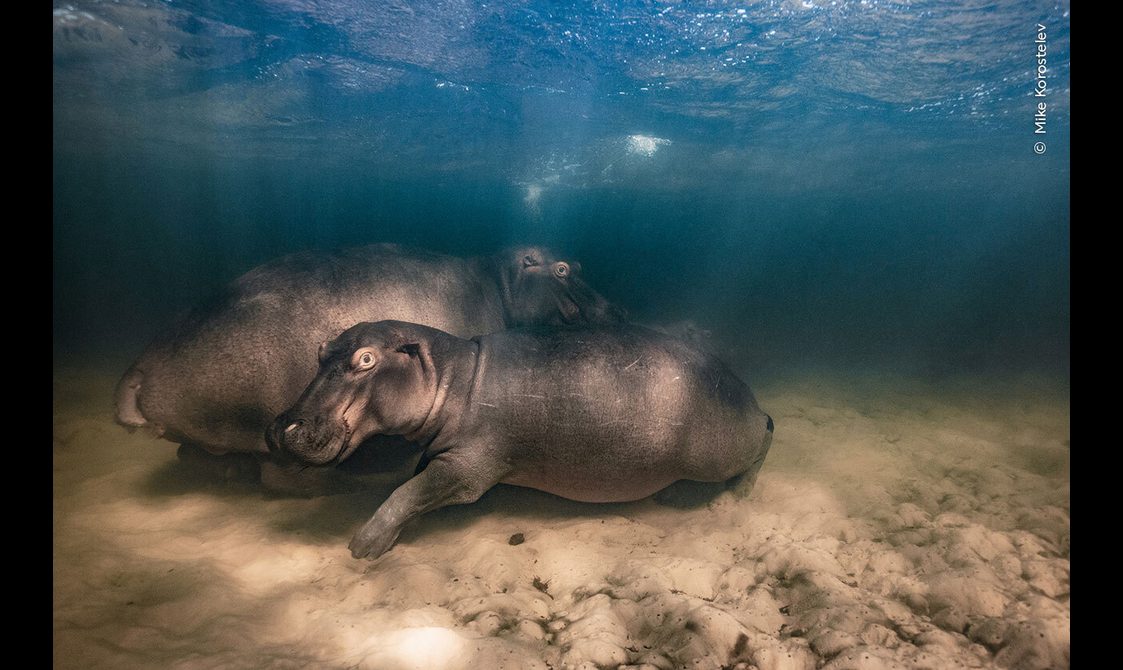
Hippo Nursery, Mike Korostelev.

'The Survivor' - an Arctic fox.
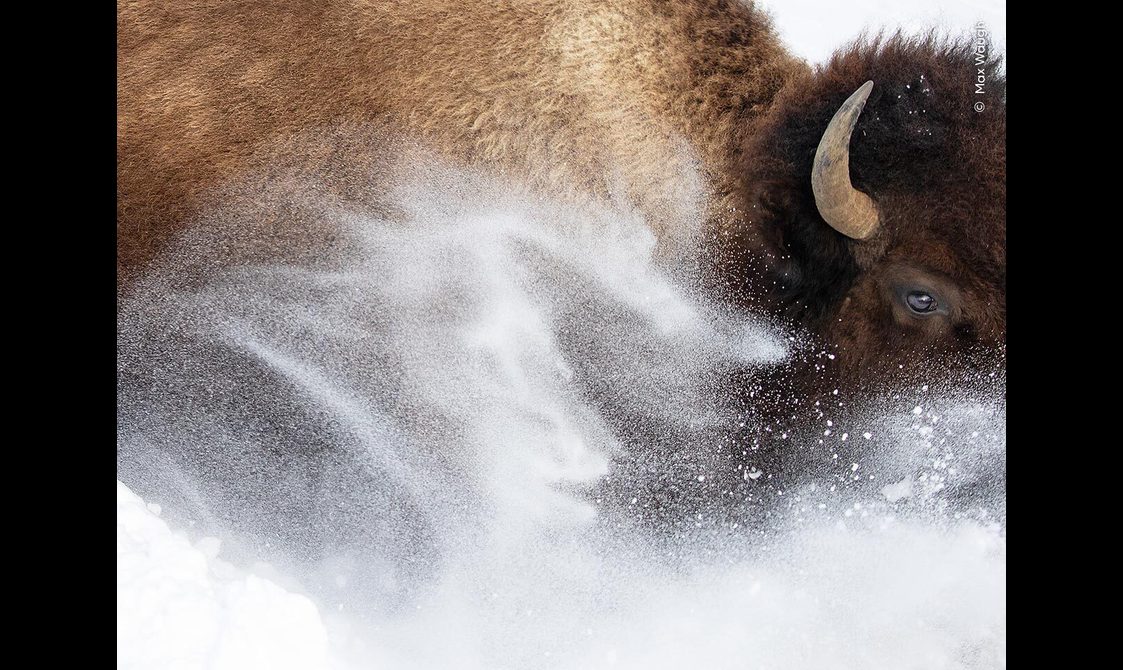
Snow bison by Max Waugh, USA Highly commended, Animal Portrait, Wildlife Photographer of the Year.
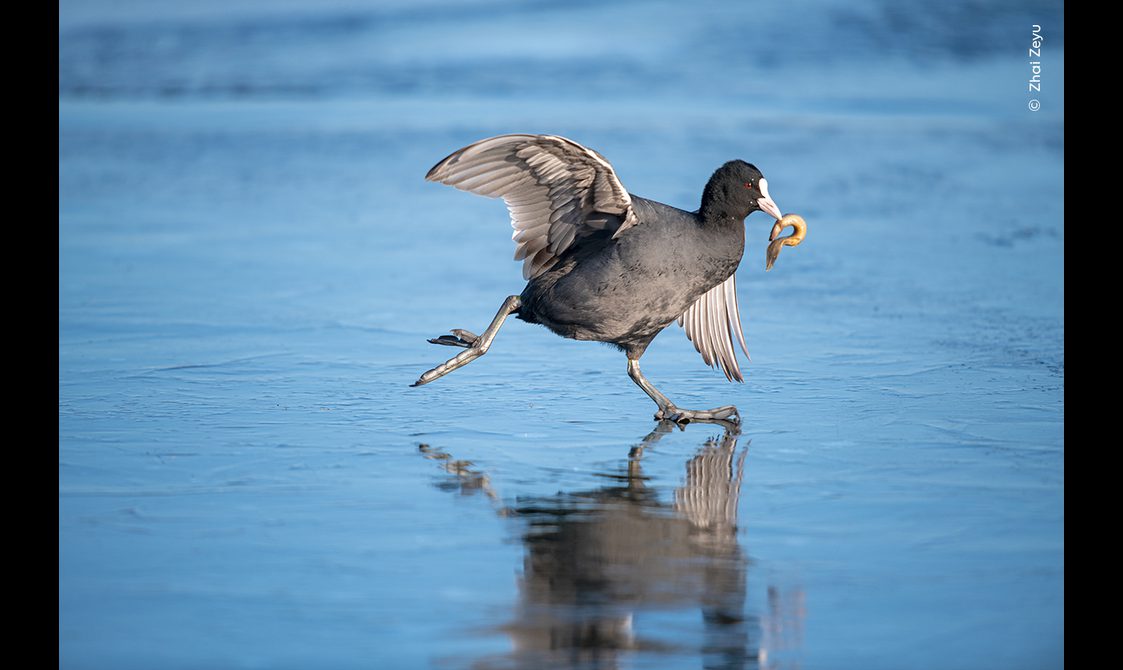
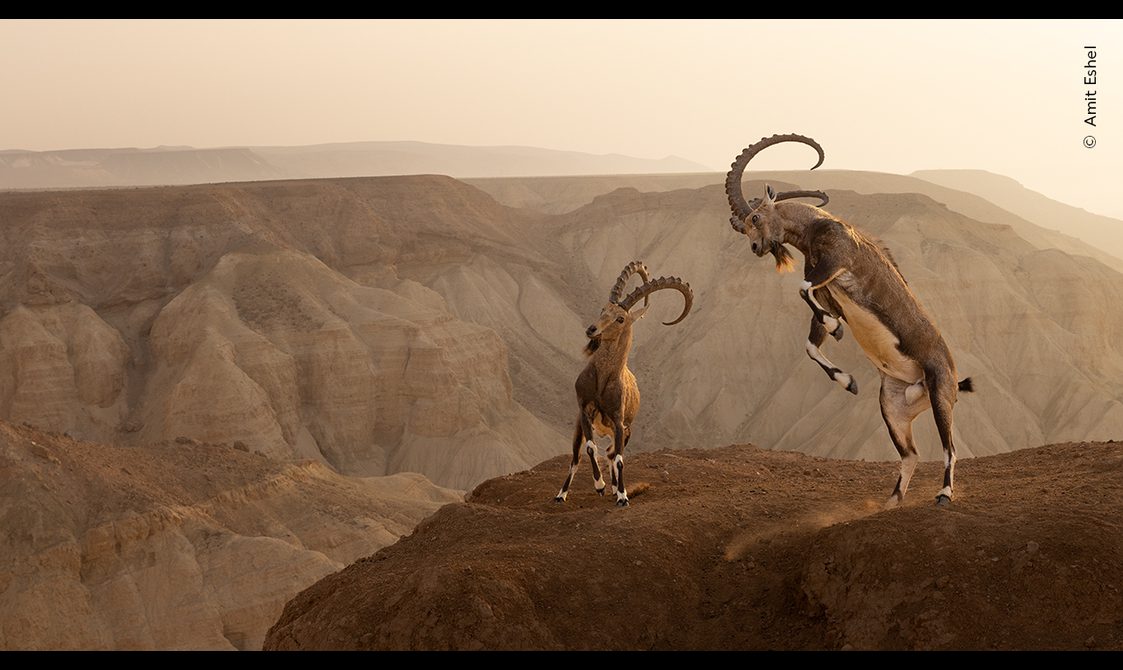
Exhibition developed by the Natural History Museum in London.
Venue supported by players of People’s Postcode Lottery.

You might also like

Scotland in the time of Giants
Natural world, Scotland
Written by Dr Sarah StewartFollowing the extinction of dinosaurs and other animals such as marine reptiles 66 million years ago, smaller surviving animals evolved, and some became giants.
Macaulayite: A cosmic mineral
Natural world
From Scotland to Canada to Mars; the story of this mineral's name really takes us places!This mineral is an altogether different kettle of fish. And it's a fish with a distinctly cosmic flavour. Macaulayite is an extremely rare mineral. It…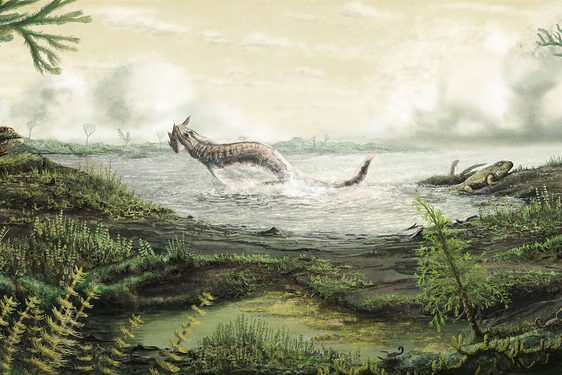
The mysterious 15 million year gap in our evolution
Natural world
If the first four-legged animals had never emerged from water onto land, our world today would not exist. Yet how did this great step happen? For decades, scientists didn’t know. Now, the mystery is finally being solved – and fossils…