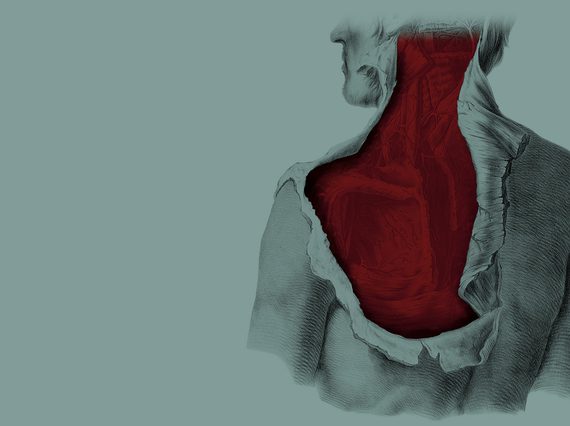
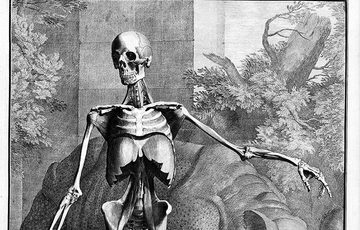
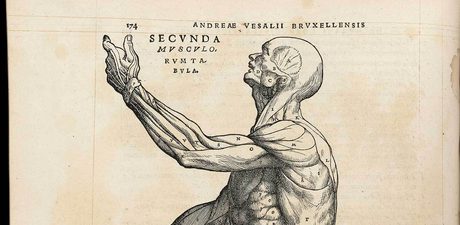
This exhibition explored the history of anatomical study, from artistic explorations by Leonardo da Vinci to the Burke and Hare murders.
"Gripping"
"...brings the whole story closer..."
"First-rate exhibition"
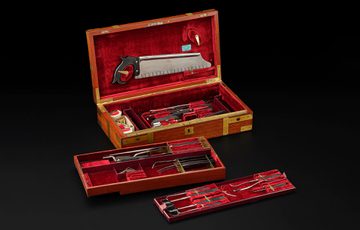
Charting 500 years of medical exploration, the exhibition considered the social and medical history surrounding the dissection of human bodies. The role anatomy played in the Enlightenment, the links between science and crime in the early 19th century, and the approaches to anatomical study today were also highlighted.
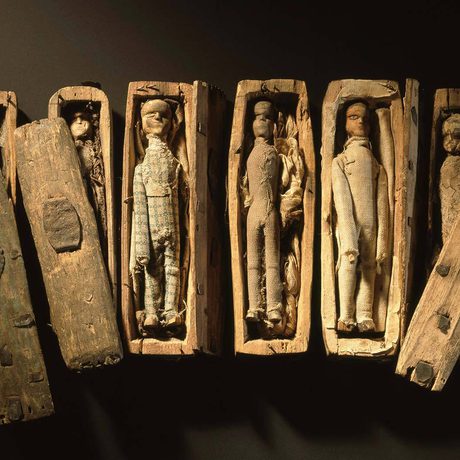
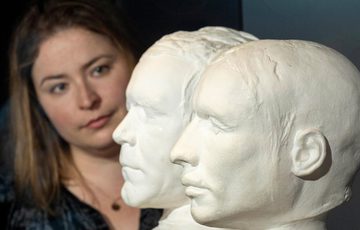
On display were early examples of anatomical art, a full-body papier-mâché model produced in the workshops of pioneering 19th century model maker Louis Auzoux, and William Burke’s skeleton and handwritten confession. National Museums Scotland’s own collections on display included a ‘mort safe’, a heavy iron box placed over a coffin to deter would-be body snatchers, and the Arthur's Seat miniature coffins.
Exhibition highlights
You might also like

Get to know Robert Burns through 10 objects
History and cultures, Scotland
A variety of objects relating to the life of Scotland's bard can be found in National Museums Scotland's collection. Read on to learn more about Burns' life, legacy, and his depictions in objects and popular culture.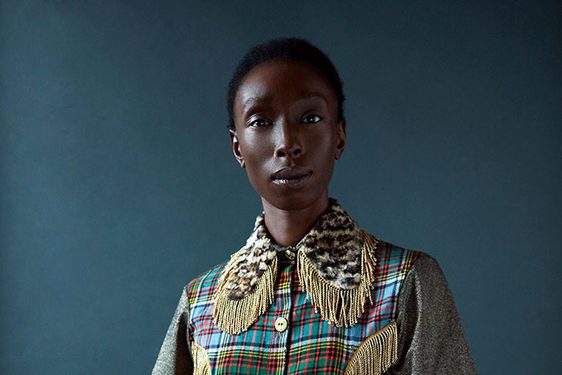
Eunice Olumide, MBE: Her story in objects
Scotland
Eunice reflects on her personal journey, and on feeling conflicted about accepting an award that celebrates the British Empire.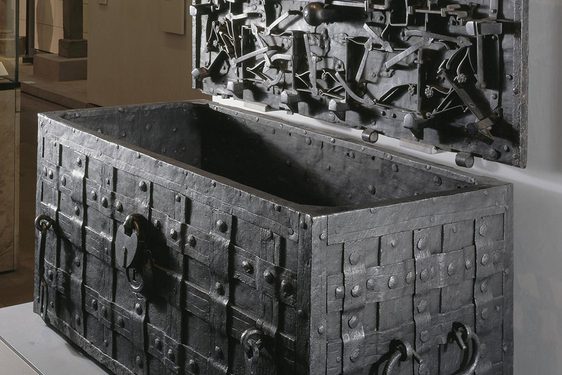
The Darien Scheme: Scotland's failed venture to colonise part of Panama
History and cultures, Scotland
This imposing iron chest stored money and documents associated with the Company of Scotland. This was a trading company set up in 1695 to promote Scottish trade overseas.The company is now remembered for the disastrous venture to establish…