Science & Technology
Welcome to the Science and Technology department. We research, maintain and monitor one of the most important collections of scientific and technological material in Europe.
Our collections are open to researchers for examination, and we'd be happy to help you conduct research. Please contact our staff to enquire.
Contact list of staff members
Science & Technology department
Our collections
The Science and Technology collections are broad-based, ranging from scientific instruments made in the eleventh century to cutting-edge developments in renewable energy technologies. Some items are tiny, such as micro-electronic computing components; some are huge, including 73 aircraft. They are held at the National Museum of Rural Life and the National Museum of Flight as well as the National Museum of Scotland and National Museums Collection Centre.
These collections represent not only the development of scientific concepts and technical details but also the historical and cultural significance of science, medicine and technology, and their impact on people and the environment.
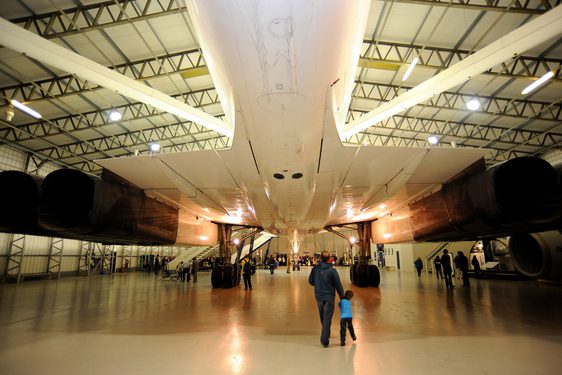
Technology
Our collections include objects from industry, engineering, communications, transport and agriculture.

What we do

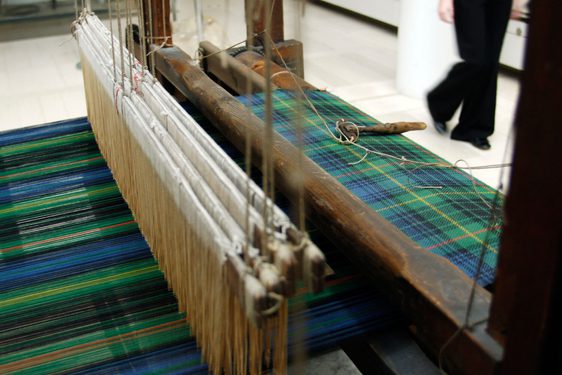
Science and Technology stories
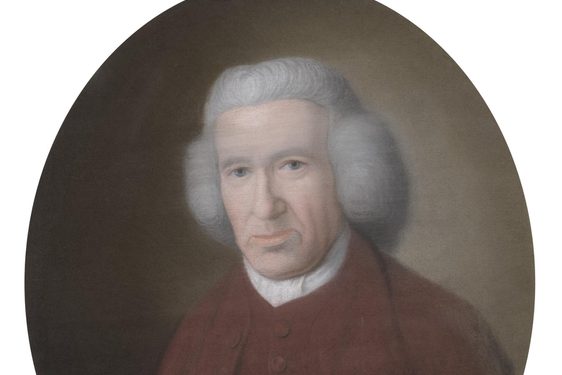
James Ferguson in 13 objects
Science and technology, Scotland
Written by Dr Tacye PhillipsonJames Ferguson was born into a working family in a rural hamlet in Banffshire in April 1710. He had little formal education, but by the time he died in 1776, he had earned many accolades.
Forging a path - Scotland's iron industry
Science and technology, Scotland
Written by Georgina GrantIn July 2025 one of the last iron foundries in Scotland closed its doors. Ballantine Castings Ltd, based in Bo’ness, had been in operation for 200 years. The foundry supplied decorative, architectural and engineering ironwork across…
Napier's bones: The logarithmic genius who revolutionised calculations
Science and technology
Written by Dr Tacye PhillipsonFind out how this brilliant Scottish mathematician and occultist invented a method of calculation that accelerated scientific discovery.In 1614, Edinburgh-born Renaissance scholar John Napier (1550-1617) invented logarithms. A means of…