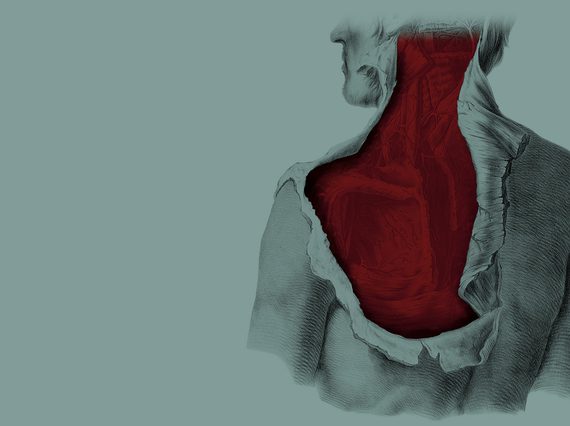
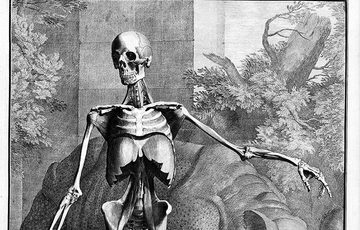
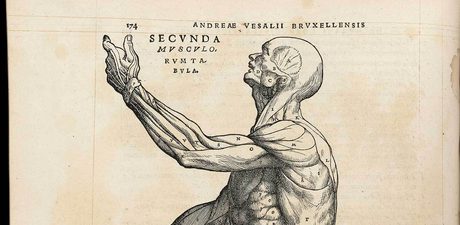
This exhibition explored the history of anatomical study, from artistic explorations by Leonardo da Vinci to the Burke and Hare murders.
"Gripping"
"...brings the whole story closer..."
"First-rate exhibition"
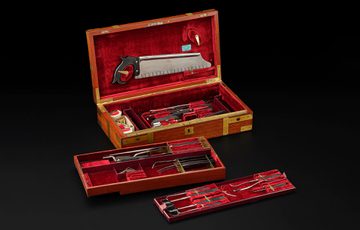
Charting 500 years of medical exploration, the exhibition considered the social and medical history surrounding the dissection of human bodies. The role anatomy played in the Enlightenment, the links between science and crime in the early 19th century, and the approaches to anatomical study today were also highlighted.
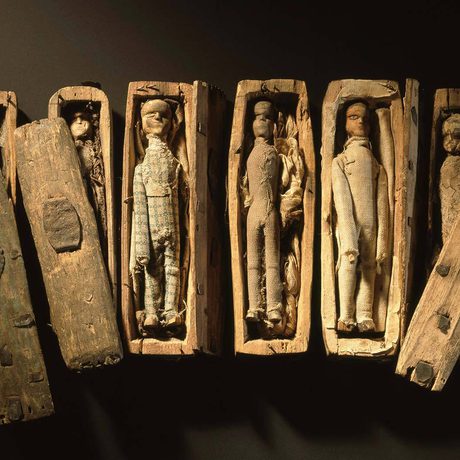
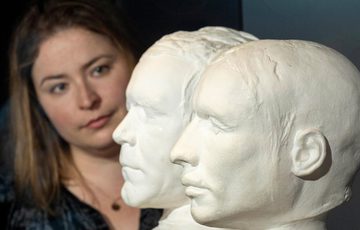
On display were early examples of anatomical art, a full-body papier-mâché model produced in the workshops of pioneering 19th century model maker Louis Auzoux, and William Burke’s skeleton and handwritten confession. National Museums Scotland’s own collections on display included a ‘mort safe’, a heavy iron box placed over a coffin to deter would-be body snatchers, and the Arthur's Seat miniature coffins.
Exhibition highlights
You might also like
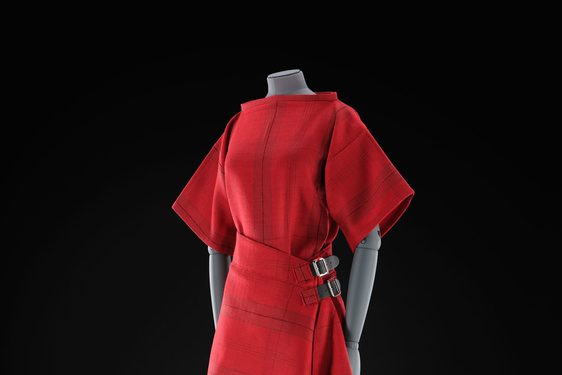
Prickly Thistle Scotland: A sustainable tartan mill
Fashion and textiles, Scotland
'Fire' was woven by Prickly Thistle Scotland for use in its sustainable clothing line. It represents an unconventional approach to tartan design and manufacturing in the 21st century. Unlike most tartans available in Scotland today, it has…
Tartan cloaks from the Georgian period
Fashion and textiles, Scotland
Beyond the realms of Highland dress tailoring, Scottish tartan emerged as a popular fashion fabric in Georgian Britain. The cloth found its way into a variety of everyday and occasional garments, such as women’s cloaks, gowns and…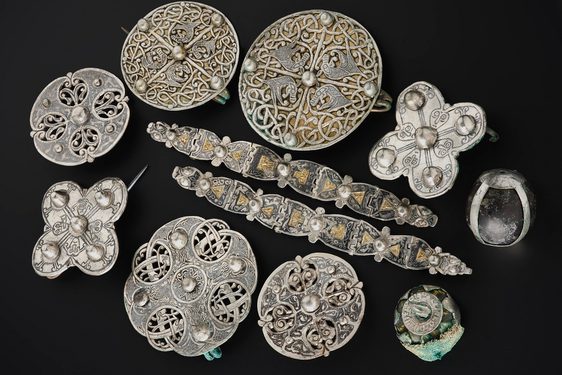
Understanding hoards in the Viking Age
Archaeology, History and cultures, Scotland
To understand the Galloway Hoard, we need to understand the the world around AD 900. Historical context and comparisons with other Viking-age hoards is essential. We lay out what a hoard is, how historians and archaeologists have…