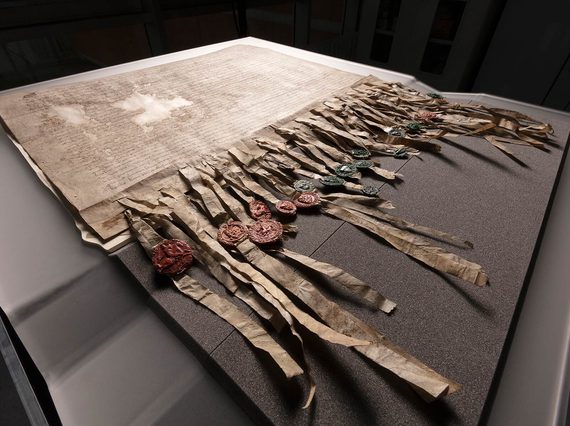
About The Declaration of Arbroath
The Declaration of Arbroath is a letter dated 6 April 1320 written by the barons and freeholders of the Kingdom of Scotland to Pope John XXII. The letter asked the pope to recognise Scotland's independence and acknowledge Robert the Bruce as the country's lawful king.
Despite the Scots' success at the Battle of Bannockburn, Robert I had not been recognised as king by either King Edward II of England or the Pope. At the time, the Pope desired peace between England and Scotland so that both kingdoms could help in a crusade to the Holy Land. The Declaration sought to influence him by offering the possibility of support from the Scots for his long-desired crusade if they no longer had to fear English invasion.
Written in Latin, it was sealed by eight earls and about 40 barons. It was authenticated by seals, as documents at that time were not signed. Only 19 seals now remain.
The surviving Declaration is a medieval copy of the letter, the original having been dispatched to the pope in Avignon. It is cared for by National Records of Scotland and is so fragile that it can only be displayed occasionally in order to ensure its long-term preservation.
Read a full transcription from The National Records of Scotland.
In partnership with

You might also like

Acme Atelier: Innovating women’s Highland wear
Fashion and textiles, Scotland
The ‘Bumble Kilt’ is named for its distinctive yellow and black colourway. It is made from vintage and deadstock fashion fabrics,creatively combined by kiltmaker Andrea Chappell of Acme Atelier to create a single garment. This sustainable…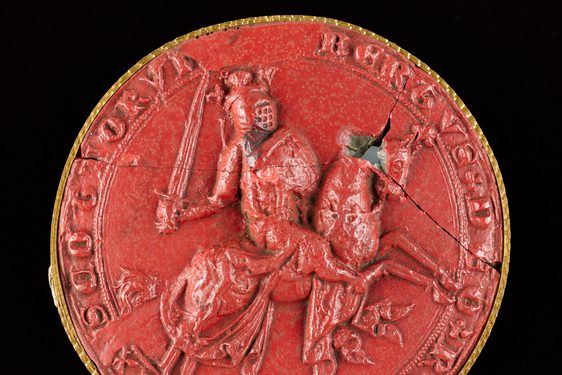
Get to know Robert the Bruce through 10 objects
History and cultures, Scotland
Robert I, also known as Robert the Bruce, was king of Scots from 1306 to 1329. The first in a new royal line, Bruce gained the throne by controversial and violent means. As king, he needed to establish his legitimacy and Scotland’s…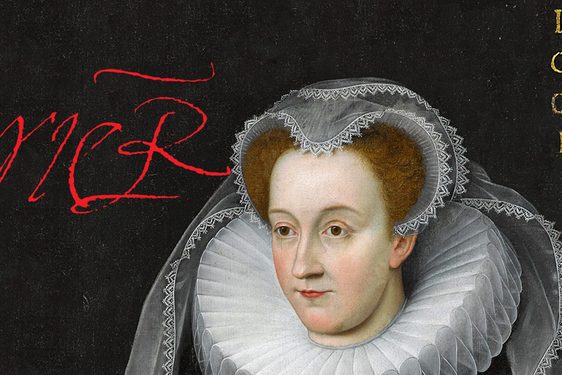
Life and deathline of Mary, Queen of Scots
History and cultures, Scotland
Crowned Queen of Scots at just nine months old; married, crowned Queen Consort of France and widowed all by the time she was 18 years old: Mary Stewart's life was nothing if not eventful. Let's dig into the facts about her tumultuous life…