
Forging a path - Scotland's iron industry
News Story
In July 2025 one of the last iron foundries in Scotland closed its doors. Ballantine Castings Ltd, based in Bo’ness, had been in operation for 200 years. The foundry supplied decorative, architectural and engineering ironwork across Scotland, the UK and the globe.
The company’s origins can be traced back to the 1820s, and it was formally established in 1856. For the entire period of its operation, the foundry was owned and run by the Ballantine family. Upon closure, the Director was 7th generation.
The firm made railings, balconies and drainpipes. They also produced manhole covers, fire grates and all kinds of street furniture, such as lamps and benches.
In recent years, notable work included:
- lamps for London’s Thames Embankment
- railings and lamps for National Galleries of Scotland
- window frames for Harrods
- cast-iron tiles for the Palace of Westminster and the Elizabeth Tower, which houses Big Ben.
All their products were made using traditional iron casting techniques with a team of highly skilled staff.
Ballantine Castings Ltd, photographed between 2023 and 2025.

Ballantine Castings Ltd, Bo'ness - site during liquidation, 2025.

The pattern store at Ballantine Castings Ltd, 2023.
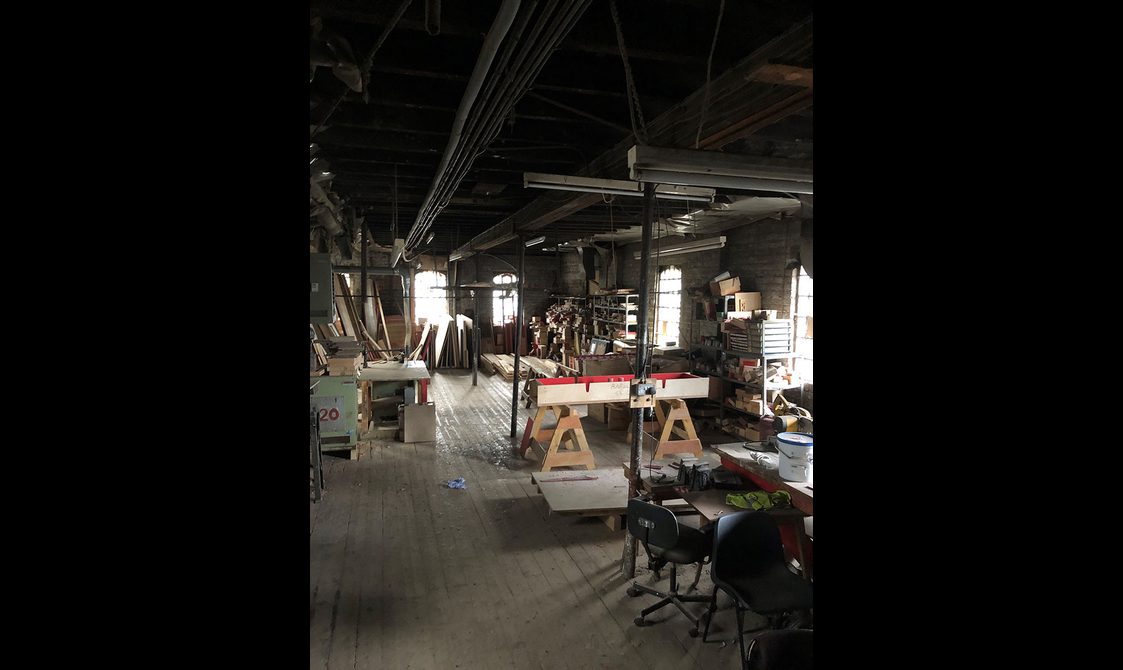
The Ballantine Castings Ltd patternmakers workshop during liquidation, 2025.

Ballantine Castings Ltd painting shop, 2023.

Ballantine Castings Ltd head office, Bo'ness, 2025.

Ballantine Castings Ltd moulding shop - decorative and architectural castings, 2023.

Casting at Ballantine Castings Ltd, 2023.

Testing the heat of the iron at Ballantine Castings Ltd, 2023.
Scotland's once-thriving iron industry
The iron industry was once a huge part of Scotland’s industrial past. A ready source of raw materials and innovations in technology enabled the formation of number of major production sites. This included the foundation of the Carron Iron Company in 1759 and the establishment of Gartsherrie Ironworks in the nineteenth century. Gartsherrie Ironworks was once the world’s largest producer of pig iron.
Whilst iron production in Scotland might be remembered today more in association with ship building and steel manufacture, a wide variety of decorative and architectural castings were made by hundreds of foundries.
The most successful Scottish foundries were based in Glasgow, Kirkintilloch and Falkirk - and they shipped their products across the world. Ballantine Castings was one of the very last foundries from this long tradition, and its closure marks an end to this once-thriving industry.
During the closure, National Museums Scotland was able to collect a number of objects from the foundry. The objects range from tools and instruments to a worker’s apron. Two patterns were also collected, which are master versions of what was being made. One pattern is a maker’s plate that says ‘Ballantine Castings’ and the other is a thistle-shaped finial for railings.
A more unusual object acquired was a piece of slag – the waste product from iron smelting. There are many historic examples of slag in the collection from the iron industry. This more contemporary sample fills a gap in the collection. It is also useful in understanding the composition of what was being put into the furnace.
Objects acquired from Ballantine Castings Ltd, based in Bo’ness.
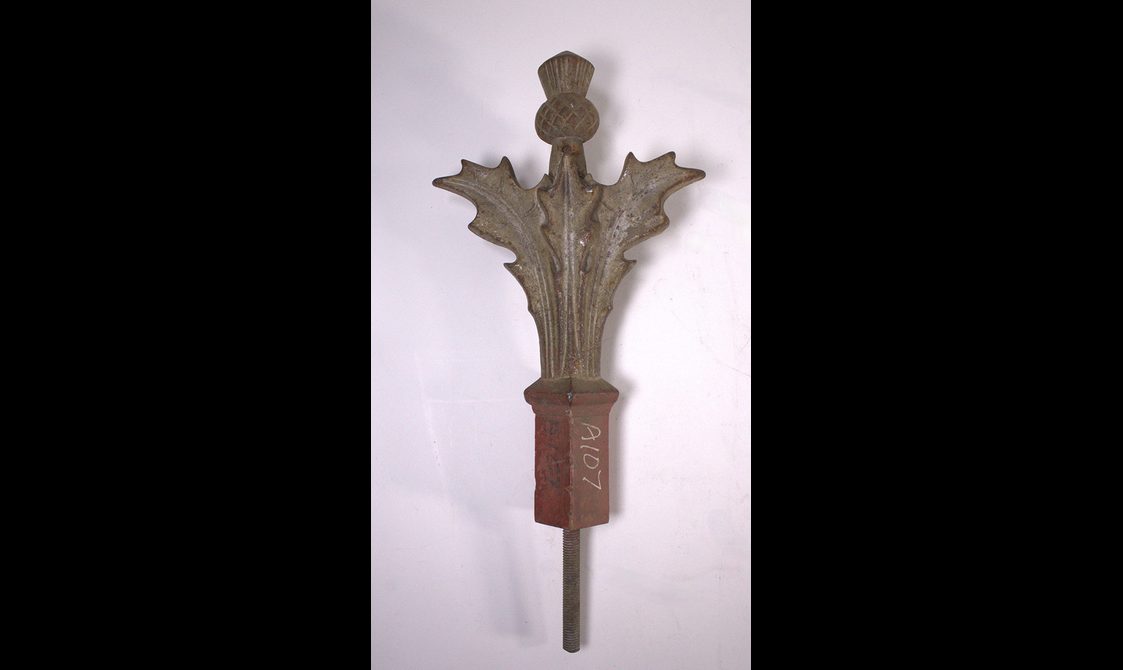
Cast-iron master pattern for a railing finial in the shape of a thistle. Ballantine Castings Ltd, Bo'ness, undated.
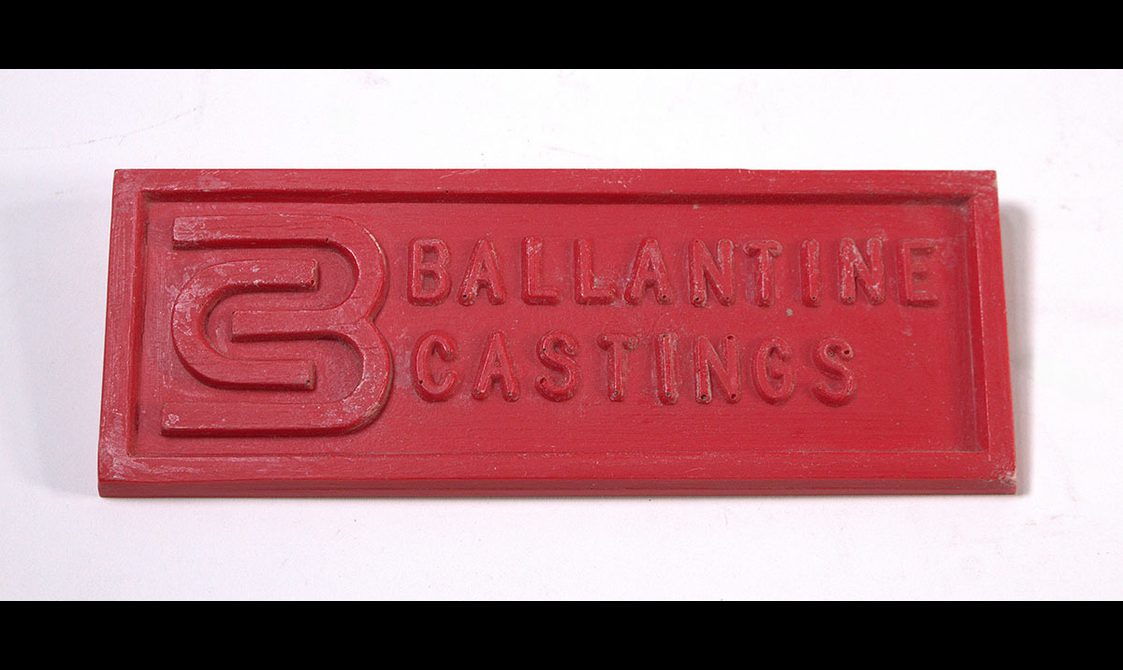
Small wooden nameplate pattern with 'Ballantine Castings' and logo. Ballantine Castings Ltd, Bo'ness, undated.
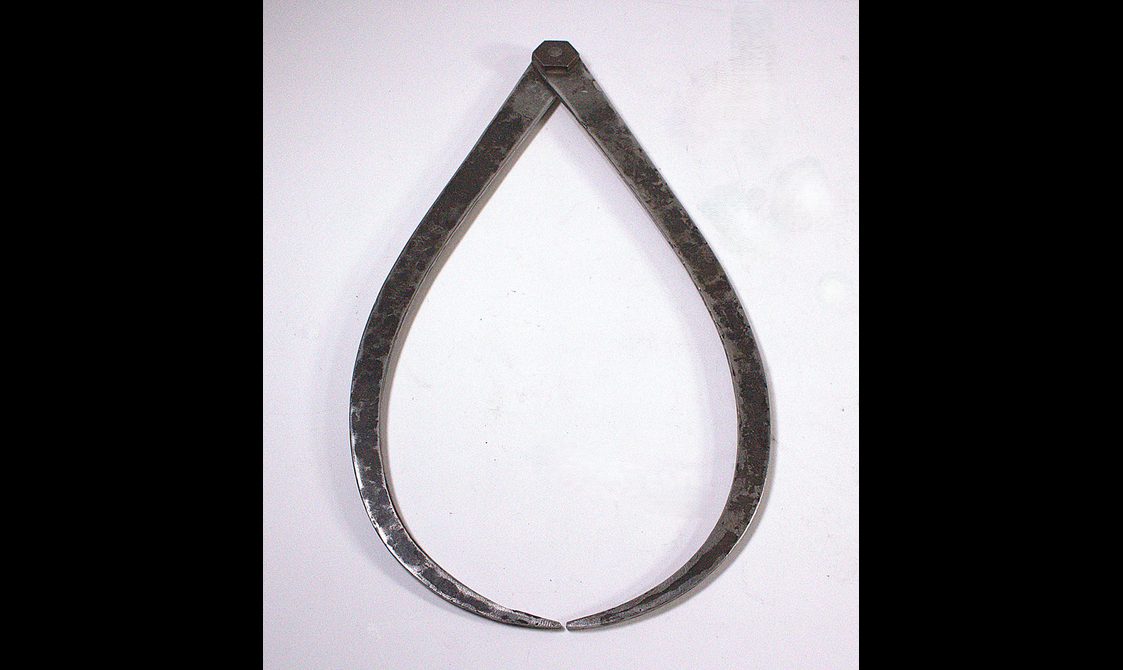
Outside callipers used by the patternmaker at Ballantine Castings Ltd, Bo'ness, undated.
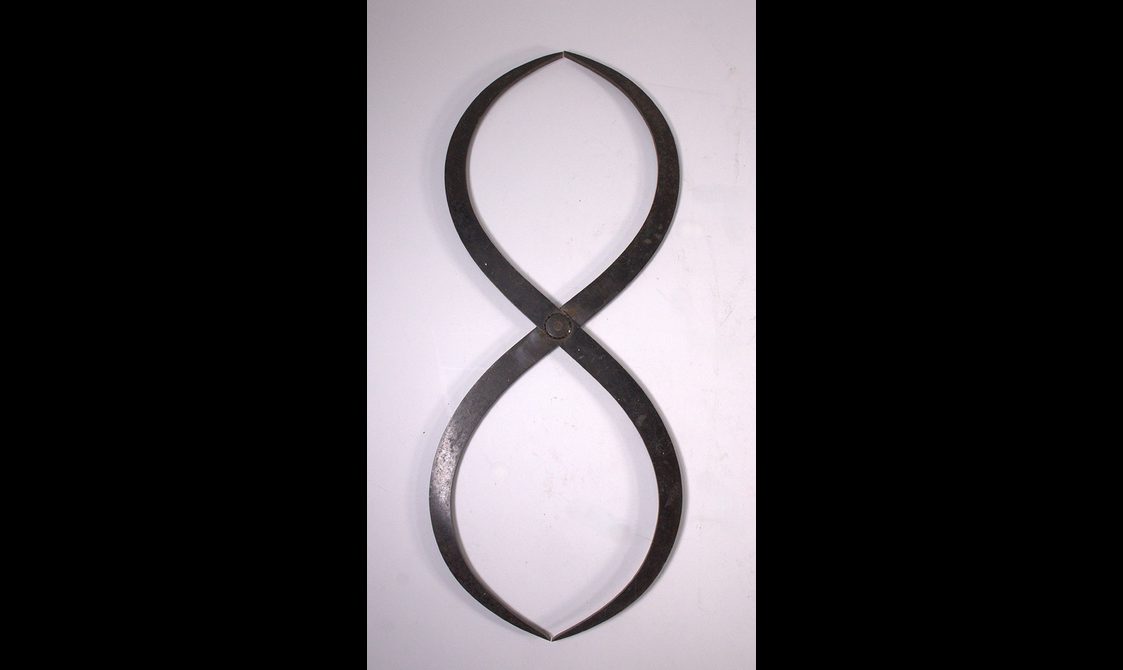
Double-ended outside callipers used by the patternmaker at Ballantine Castings Ltd, Bo'ness, undated.
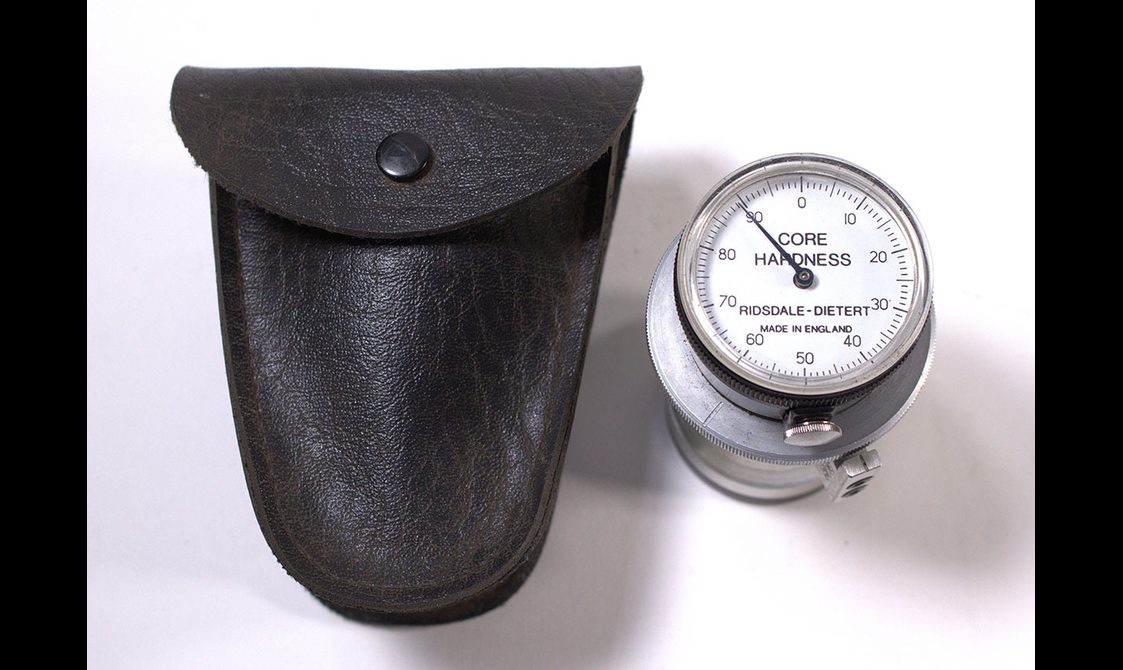
Ridsdale Dietert core hardness tester used at Ballantine Castings Ltd, Bo'ness, undated.
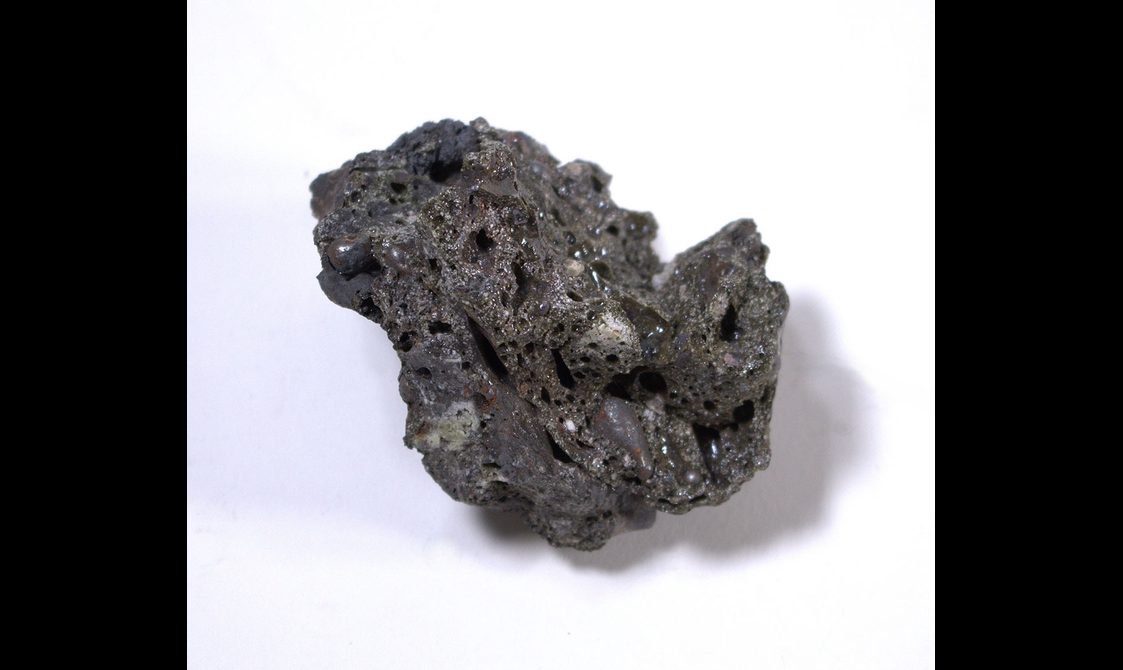
Furnace slag from Ballantine Castings Ltd, Bo'ness, 2025.
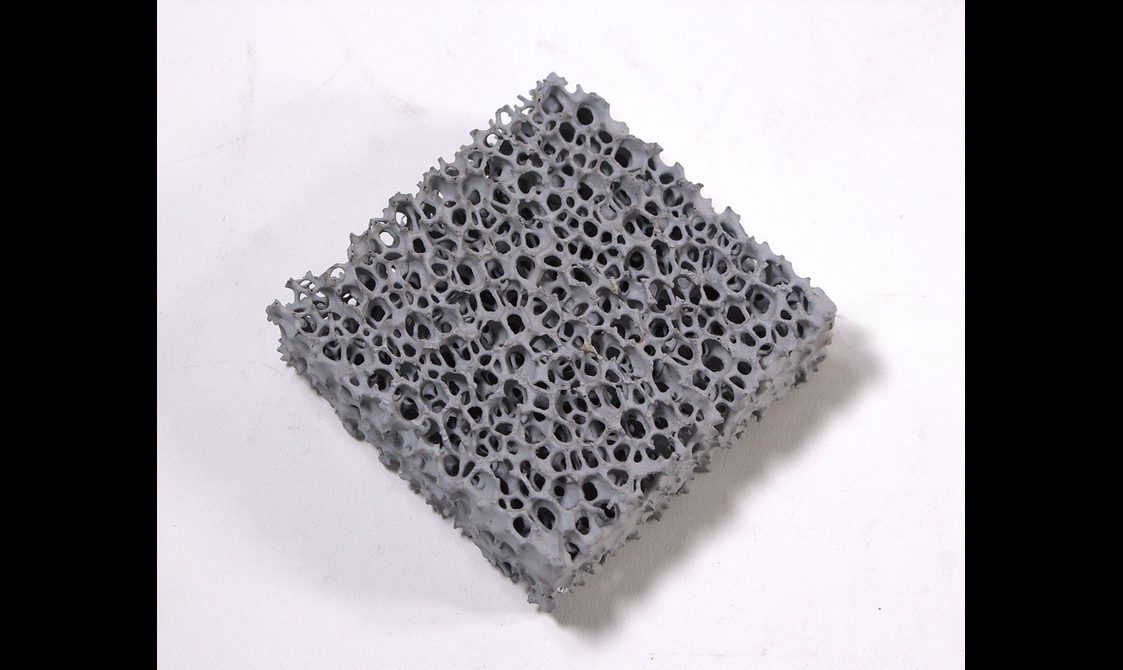
Ceramic silicon carbide foam filter used for filtering non metallics oxides and slags from liquid metal. Used at Ballantine Castings Ltd, Bo'ness. Undated.
The acquisition of these objects marks a significant point in the history of ironworking in Scotland. Crucially, they provide an insight into the workers, operations and outputs of a long-established iron foundry and a once prosperous industry.
Written by

You might also like

Napier's bones: The logarithmic genius who revolutionised calculations
Science and technology
Written by Dr Tacye PhillipsonFind out how this brilliant Scottish mathematician and occultist invented a method of calculation that accelerated scientific discovery.In 1614, Edinburgh-born Renaissance scholar John Napier (1550-1617) invented logarithms. A means of…
The first ever colour television
Science and technology
The oldest known surviving colour television in the world is held in the National Museum of Scotland collection. It was manufactured in 1946 by General Electric in the USA for the Columbia Broadcasting Service (CBS) and is the only one of…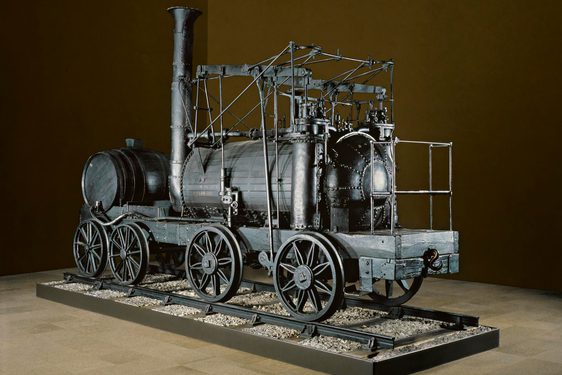
Wylam Dilly: One of the world's oldest locomotives
Science and technology
Wylam Dilly is one of the world’s two oldest surviving locomotives. Built in 1813, it used to pull coal along the Wylam Wagonway to the river, near Newcastle upon Tyne.The Wylam Dilly steam locomotive is named after the Wylam Colliery,…