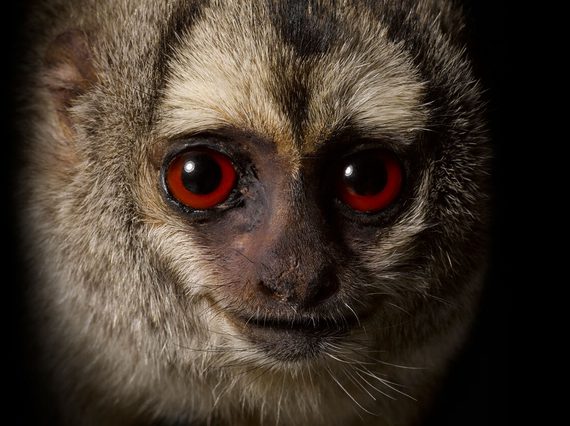
About Monkeys: Our Primate Family
'Monkeys: Our Primate Family' explored the remarkable lives of our primate relatives and how they have adapted to survive in different habitats.
This was the first exhibition of its kind to show primate taxidermy specimens behaving as they would in the wild. 'Monkeys: Our Primate Family' brought together more than 50 taxidermy specimens, including monkeys, apes, lemurs and lorises. Specimens on display included the Barbary Macaque, Western Lowland Gorilla, and ring-tailed Lemur.
Visitors discovered how primates have evolved and adapted to travel and hunt for food. 'Monkeys: Our Primate Family' also revealed how primates communicate, and their complex social systems.
'Monkeys: Our Primate Family' uncovered the threat of extinction, habitat loss and hunting that primates face today. Visitors heard about the ongoing conservation efforts to protect primates in the wild and learned how to make a difference to their survival.
Exhibition highlights
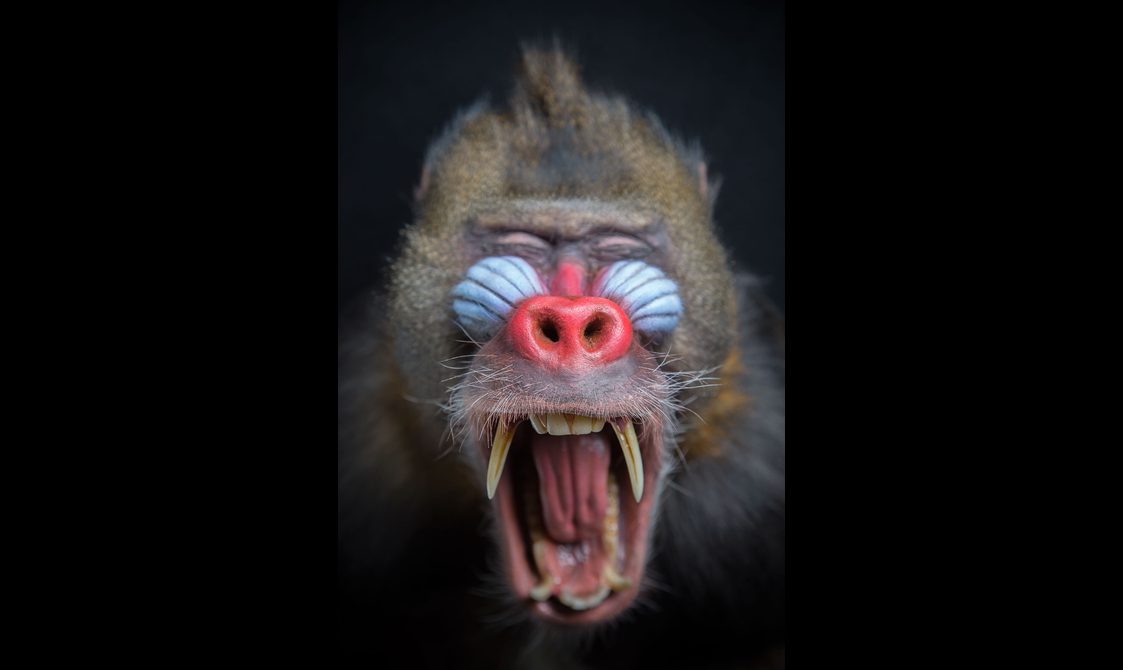
Mandrillus sphinx (Linnaeus, 1758) - Mandrill. Museum reference Z.2012.78.
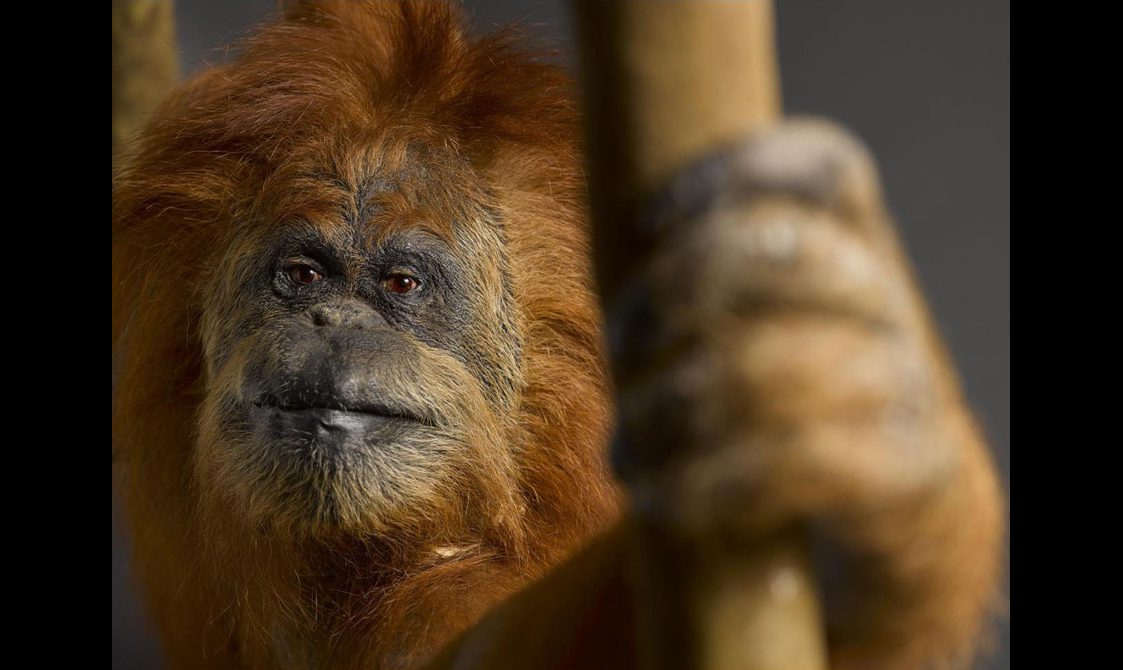
Pongo abelii (Lesson, 1827) - Sumatran orangutan. Museum reference Z.2009.137.
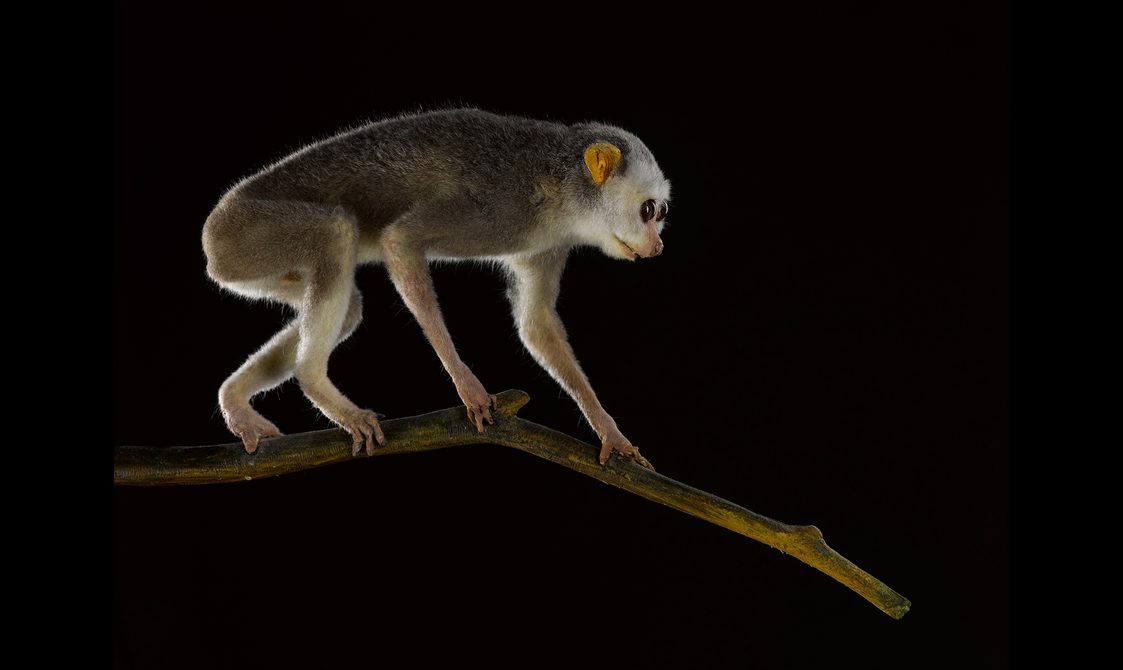
Loris lydekkerianus nordicus (Hill, 1933) - Northern slender loris. Museum reference Z.2016.139.1.
Kids went free thanks to players of People’s Postcode Lottery

You might also like

Scotland in the time of Giants
Natural world, Scotland
Written by Dr Sarah StewartFollowing the extinction of dinosaurs and other animals such as marine reptiles 66 million years ago, smaller surviving animals evolved, and some became giants.
The Roaring Game: Scotland's curling stone island
Natural world
Written by Dr Bob GoodayDid you know that all curling stones are quarried on a small, uninhabited island in the Firth of Clyde called Ailsa Craig?
6 world-class type specimens in our stores
Natural world
Written by Professor Andrew Kitchener, Dr Rachel Walcott & Dr Andrew RossType specimens are among the most important objects in natural science collections. They are the specimens on which the scientific names of species of animals, plants or minerals are based. Animals and plants are named using the Linnaean…